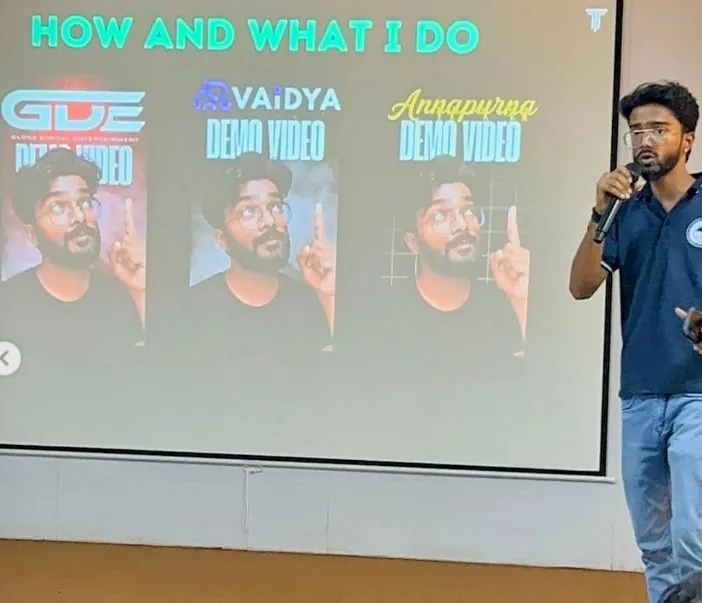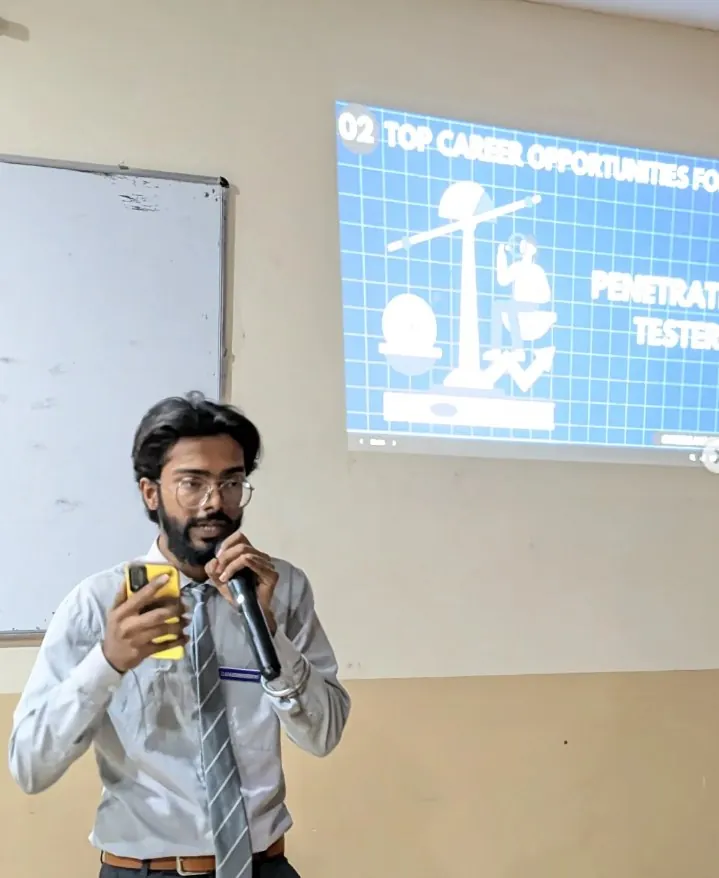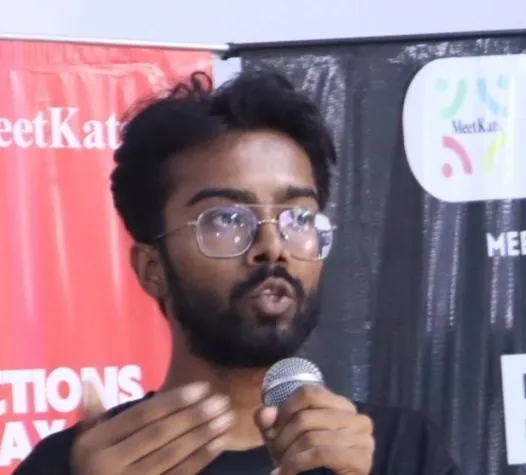
Colleges know their GenAI teaching lags the field, and hiring practitioners full-time is not realistic. The model that works is co-teaching: a faculty member owns the semester and the theory; a visiting practitioner owns three or four build sessions and the project reviews. I have taught in this shape and it serves students better than either side alone.
Who owns what
- Faculty — the syllabus, the foundations (probability, linear algebra as needed, how transformers work), assessment and continuity across the semester.
- Practitioner — the current toolchain, a live build of a real system, war stories about what breaks in production, and honest project reviews.
- Both — the project brief, written together so it is rigorous and realistic.
A semester shape
- Week 2: practitioner visit — build a RAG system live, end to end, in 90 minutes. Students see the destination before the theory.
- Weeks 3–7: faculty teach the foundations with the live build as the reference.
- Week 8: practitioner visit — fine-tuning and evaluation, with the honest base-versus-tuned comparison.
- Weeks 9–13: student projects with faculty supervision and one remote office hour with the practitioner.
- Week 14: project reviews, scored with a published rubric by both.
What students gain
Theory anchored to something they have watched run. Projects reviewed by someone who ships. And a practitioner's network — the review day is where internships and hackathon teams are born.
What it costs
Four visits and a few remote hours per semester, which most practitioners will do for a modest honorarium or free for student communities, and a faculty member willing to share the room. The return is a batch that can build, not only describe.
Departments interested in this model can start with one visit and expand; I am happy to co-design the module. Contact details are on the invite page.

GenAI engineer and AI product builder with 2+ years shipping production-grade AI systems: RAG pipelines, fine-tuned LLMs, hybrid retrieval and multi-modal apps across vision, speech and OCR, architected end to end from ingestion to deployment. Leads engineering for SCULT INDIA's 14-member team, founded the 500+ member TechVerse Enclave community and has mentored 200+ students. Three hackathon first prizes: Changethon 2025 (IIT Roorkee), Product Genesis at Vividhotsava 2025 (CSJMU Kanpur) and BYTEBATTLE (MeetKats).
Open to GenAI roles, hackathon judging, mentorship sessions and guest talks at colleges. Email pranjulrathour41@gmail.com.