A judge who arrives knowing the theme, the rubric and the number of teams gives every team a fairer score and better feedback than one who is handed a clipboard at the door. Organisers control that entirely with the first email. Here is what mine should contain if you want the best session out of me — or any judge.
The brief
- Event name, dates, venue or platform, and the organising body.
- Theme and the actual problem statements.
- Number of teams, team size, and how many the judge will see.
- Pitch and Q&A timings.
- Whether you want judging only, mentoring during the build, or both — and whether they are separated (see what a hackathon mentor actually does).
The rubric
Attach it, or ask the judge to help write one. A weighted rubric with descriptors, shared with teams in advance, is the single biggest improvement most college hackathons can make; there is one to copy in a hackathon judging rubric organisers can copy.
Logistics
- A judges' briefing call or meeting before the first pitch — fifteen minutes to calibrate.
- Submissions shared an hour before presentations.
- A quiet space and a schedule that includes breaks; judging thirty teams is real work.
- Travel and stay if on-site, or a stable video link and a co-host if remote.
What to ask the judge for
Written feedback for every team, two sentences each, tied to the rubric — the practice in how judges should give feedback. And five minutes after results for teams who want to ask questions. Judges who care will say yes; judges who will not are telling you something.
Courtesies that matter
The correct spelling of the judge's name on the certificate and the poster, a photograph with the winning teams, a public thank-you that names them, and the results announcement sent to them afterwards. These cost nothing and are why judges return.
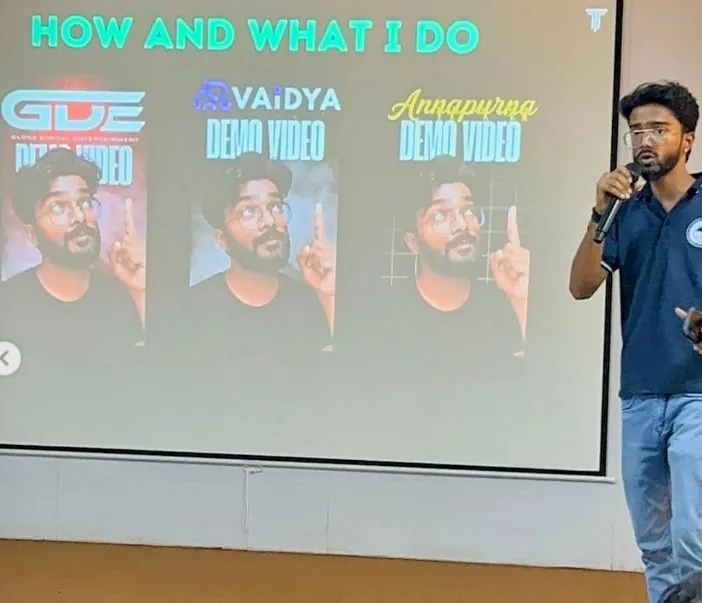
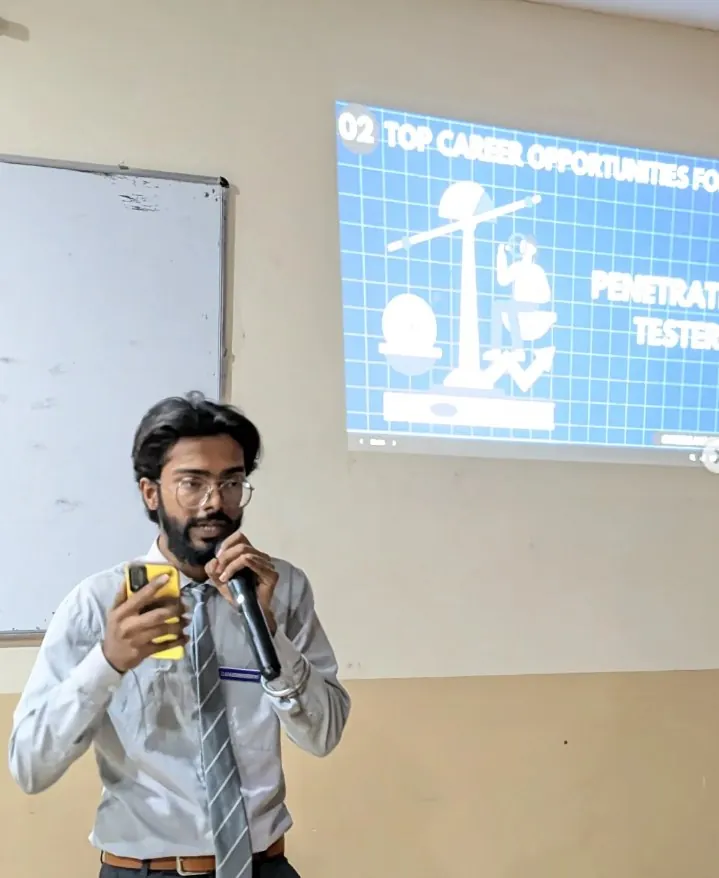
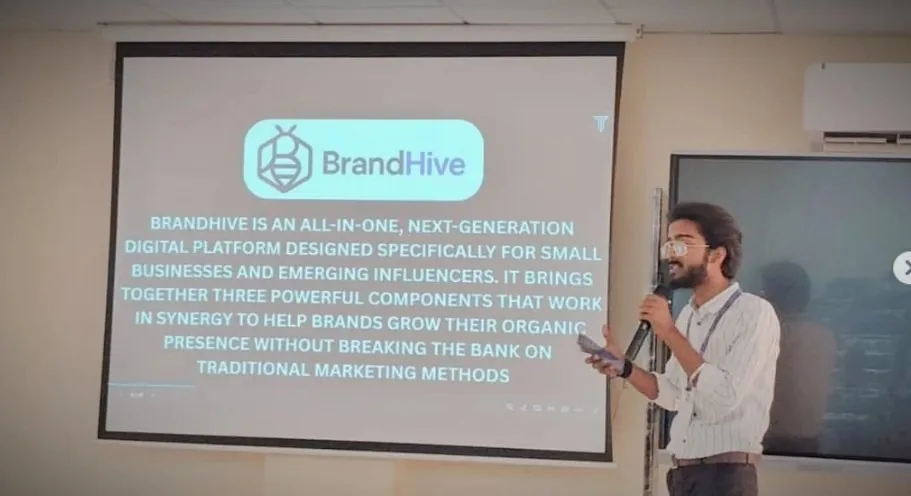
I judge student hackathons on-site and remotely and bring the rubric above; the invitation details are on the campus invite page.

GenAI engineer and AI product builder with 2+ years shipping production-grade AI systems: RAG pipelines, fine-tuned LLMs, hybrid retrieval and multi-modal apps across vision, speech and OCR, architected end to end from ingestion to deployment. Leads engineering for SCULT INDIA's 14-member team, founded the 500+ member TechVerse Enclave community and has mentored 200+ students. Three hackathon first prizes: Changethon 2025 (IIT Roorkee), Product Genesis at Vividhotsava 2025 (CSJMU Kanpur) and BYTEBATTLE (MeetKats).
Open to GenAI roles, hackathon judging, mentorship sessions and guest talks at colleges. Email pranjulrathour41@gmail.com.