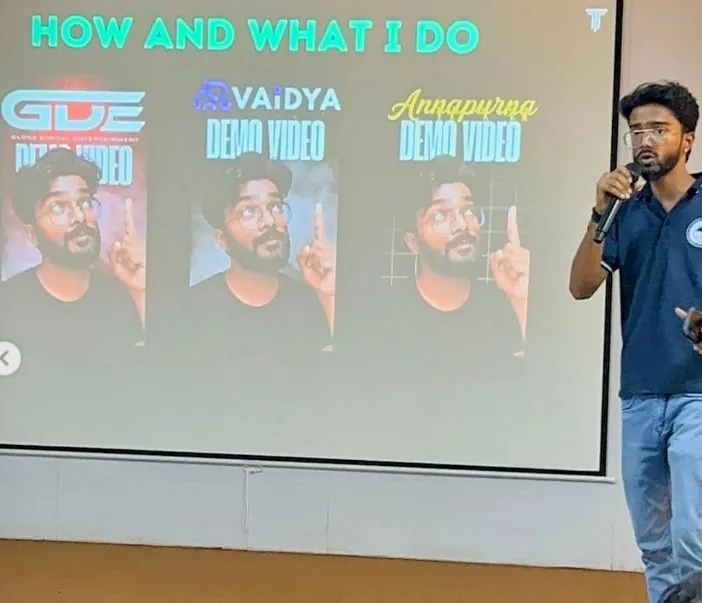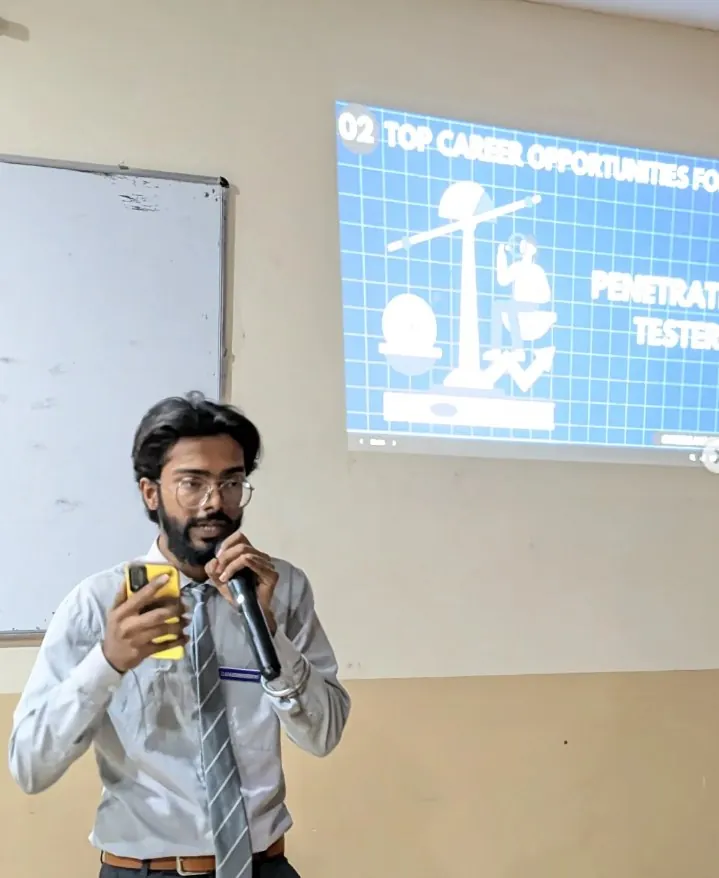
Attendance tells you how good the poster was. The feedback form tells you how good the speaker's energy was. Neither tells you whether anything changed, which is the only reason to run a session. After speaking and mentoring at VSICS and in communities, here is what I ask coordinators to measure instead.
The two-week follow-up
Every session should end with one concrete task. Two weeks later, ask who did it. If a workshop on RAG ends with "deploy the demo and send the link", the count of links is the impact metric. For the VSICS mentorship sessions, the follow-up was who showed up to build with TechVerse Enclave afterwards.
Leading indicators worth tracking
- Questions asked in the last fifteen minutes, and how specific they were.
- Students who stayed back after the session ended.
- Sign-ups to the club or community at the door.
- Messages to the speaker in the following week that reference something specific.
Lagging indicators
- Projects shipped by attendees in the following month.
- Hackathon teams formed from the room.
- Attendance at the next session — repeat attendance is the strongest signal a series is working.
What to stop measuring
Headcount as the headline. A 300-student auditorium talk that produced no projects underperformed a 40-student workshop that produced twelve. Optimise sessions for what students do afterwards, and choose the format accordingly.
For speakers
Ask coordinators for the two-week numbers. They tell you which parts of your session to keep. I ask for them after every campus visit, and they have changed how I teach more than any feedback form.

GenAI engineer and AI product builder with 2+ years shipping production-grade AI systems: RAG pipelines, fine-tuned LLMs, hybrid retrieval and multi-modal apps across vision, speech and OCR, architected end to end from ingestion to deployment. Leads engineering for SCULT INDIA's 14-member team, founded the 500+ member TechVerse Enclave community and has mentored 200+ students. Three hackathon first prizes: Changethon 2025 (IIT Roorkee), Product Genesis at Vividhotsava 2025 (CSJMU Kanpur) and BYTEBATTLE (MeetKats).
Open to GenAI roles, hackathon judging, mentorship sessions and guest talks at colleges. Email pranjulrathour41@gmail.com.