Open source is the most credible signal a student can produce, and the one most students never attempt because a large repository looks like a cliff. The way in is not heroics. It is contributing to something you already use, in the smallest way that is genuinely useful, and repeating.
Pick a repository you actually use
The retrieval library in your RAG project, the training toolkit in your fine-tuning project, the web framework in both. You already know its rough edges because you have hit them. That knowledge is your contribution.
Read before you write
- The contributing guide and code of conduct.
- Ten recent merged pull requests — what size, what style, what the maintainers ask for.
- The issue tracker, filtered to labels like good first issue or documentation.
First contributions that are welcome
- A documentation fix for something that confused you, with the clearer wording.
- A reproducible bug report with a minimal example — often more valuable than a fix.
- A test for behaviour that is not covered.
- A small fix for an issue a maintainer has labelled as approachable.
How to behave
Comment on an issue before starting so nobody duplicates work. Keep the pull request small and single-purpose. Respond to review within a day and without defensiveness; review is teaching you the codebase. Thank people. Maintainers remember contributors who were easy to work with far more than those who were brilliant.
Turning it into a track record
Three merged contributions to a library you use is a line on your resume that no certificate matches, and a talking point in any interview: you have read production code and had your changes reviewed by its authors. Link the pull requests from your GitHub profile and mention them in your LinkedIn posts — the same visibility that leads to hackathon invitations and mentors.

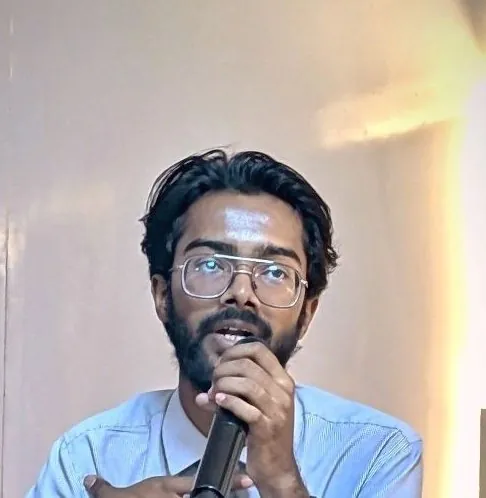
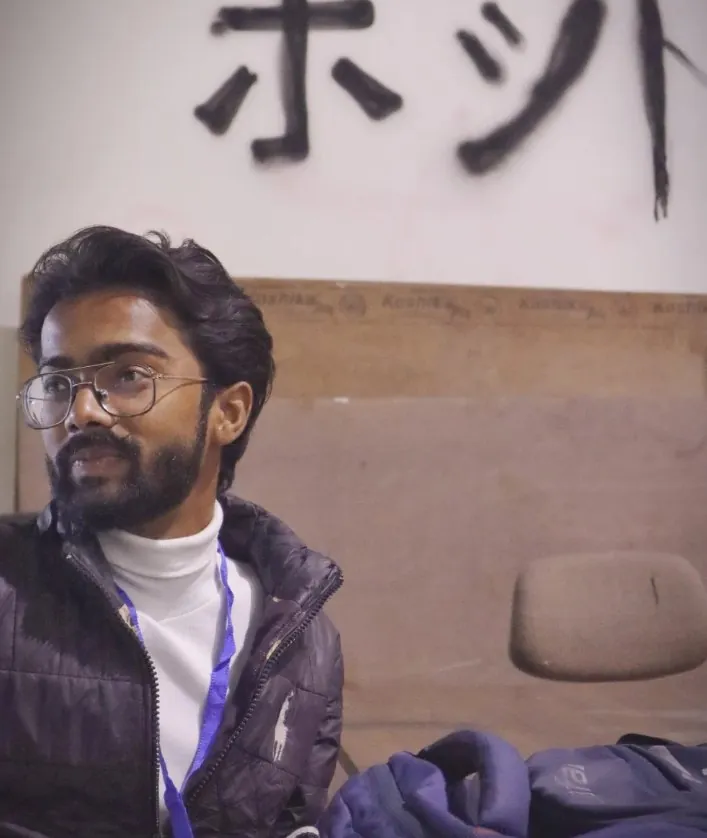
GenAI engineer and AI product builder with 2+ years shipping production-grade AI systems: RAG pipelines, fine-tuned LLMs, hybrid retrieval and multi-modal apps across vision, speech and OCR, architected end to end from ingestion to deployment. Leads engineering for SCULT INDIA's 14-member team, founded the 500+ member TechVerse Enclave community and has mentored 200+ students. Three hackathon first prizes: Changethon 2025 (IIT Roorkee), Product Genesis at Vividhotsava 2025 (CSJMU Kanpur) and BYTEBATTLE (MeetKats).
Open to GenAI roles, hackathon judging, mentorship sessions and guest talks at colleges. Email pranjulrathour41@gmail.com.