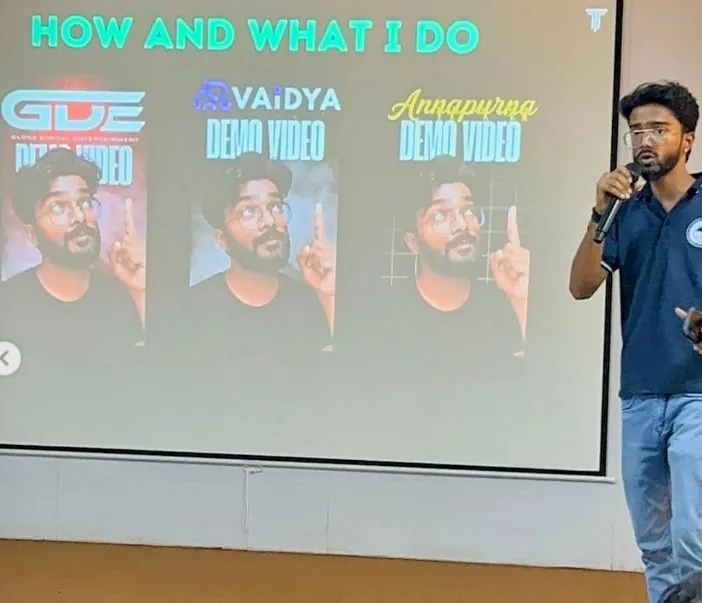
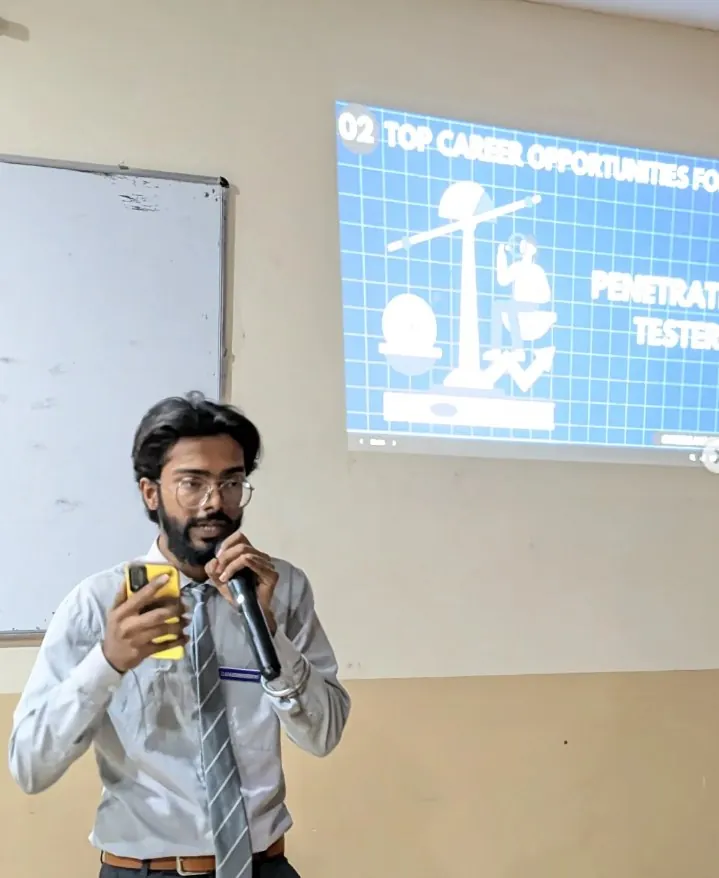
Speaking remotely to students in another country adds a layer beyond the usual mechanics of remote talks: time zone coordination, cultural context in examples, and sometimes a language gap that a purely domestic remote talk doesn't have to consider.
What to adjust
- Pick a time that's reasonable for the audience's time zone, even if it's inconvenient for you — you're the guest.
- Replace culturally-specific examples and references with ones that translate, or briefly explain the ones that don't.
- If the audience isn't speaking in their first language, slow down slightly and check comprehension more often than you would locally.
What stays the same
The core structure — a real problem, a live build, one clear takeaway — works everywhere. Don't over-localise the technical content; the audience invited a specific speaker's expertise, not a generic version of it.
See speaking at a virtual conference vs in person.

GenAI engineer and AI product builder with 2+ years shipping production-grade AI systems: RAG pipelines, fine-tuned LLMs, hybrid retrieval and multi-modal apps across vision, speech and OCR, architected end to end from ingestion to deployment. Leads engineering for SCULT INDIA's 14-member team, founded the 500+ member TechVerse Enclave community and has mentored 200+ students. Three hackathon first prizes: Changethon 2025 (IIT Roorkee), Product Genesis at Vividhotsava 2025 (CSJMU Kanpur) and BYTEBATTLE (MeetKats).
Open to GenAI roles, hackathon judging, mentorship sessions and guest talks at colleges. Email pranjulrathour41@gmail.com.