Placement officers book AI sessions because companies are asking for AI skills, then watch students give the same interview answers as before. The sessions that change outcomes are specific, hands-on and timed to the placement calendar. Having spoken to students and reviewed hundreds of their projects, here is what I would schedule if I ran a placement cell.
Sessions that move interviews
- Portfolio review clinics — a practitioner reviews ten student projects live and says what a recruiter would think. Students rewrite their READMEs that night. See portfolio over certificates.
- Mock technical interviews for AI roles — the questions in GenAI engineer interview questions, with feedback on the answers.
- A one-day build workshop — students leave with a deployed project to talk about; see a one-day GenAI workshop syllabus.
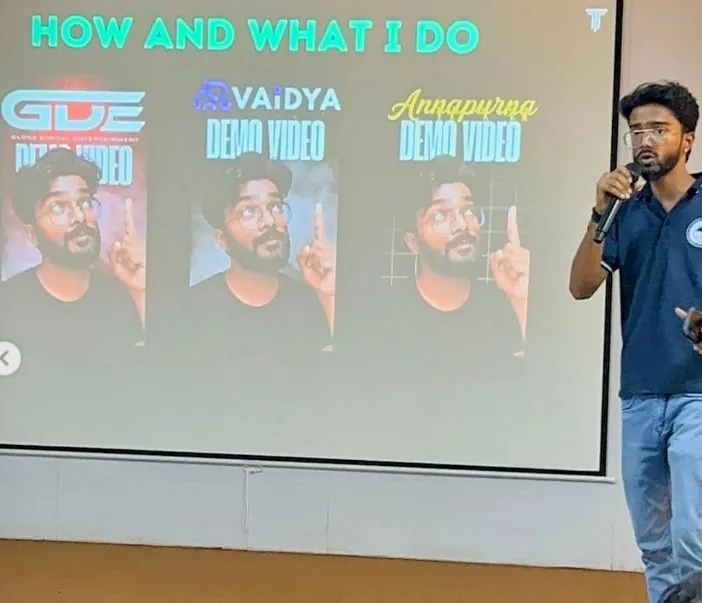
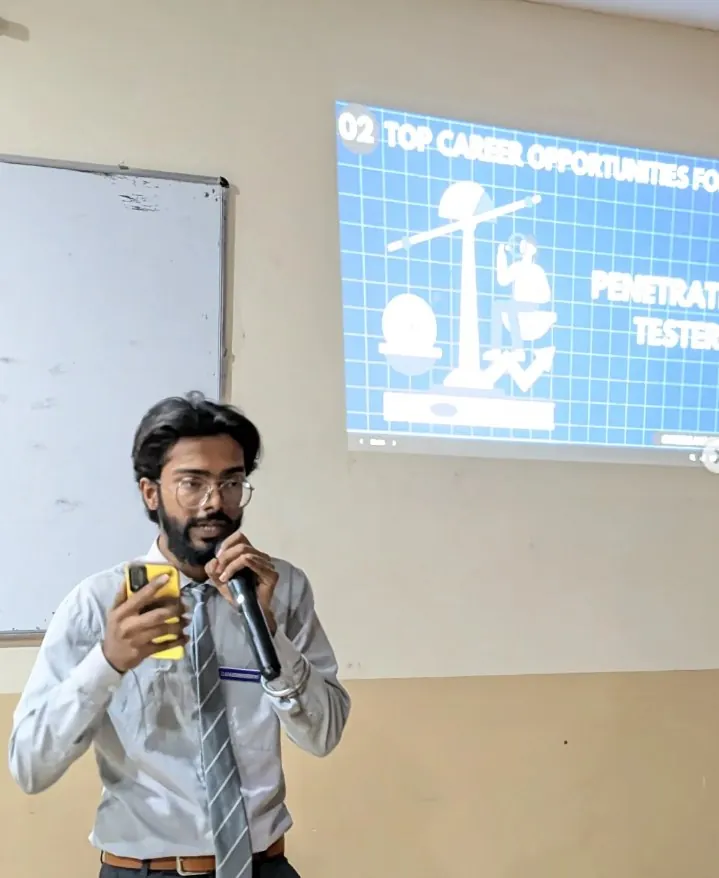
- Honest career talks — what GenAI roles actually involve, from someone doing one, including the unglamorous parts.
Timing across the year
- Start of the pre-final year: the build workshop, so projects exist by placement season.
- Mid-year: portfolio clinics and mock interviews.
- Two months before drives: a session on how to talk about projects — the story, the numbers, the trade-offs.
- Final year, post-placement: sessions for the students still searching, focused on remote and startup roles (see getting a remote GenAI role from a tier-2 city).
What to ask speakers for
Specific feedback, not motivation. A rubric students can use on their own projects. A follow-up office hour. And an honest read on which students are ready — practitioners notice, and some of them hire or refer.
Turning a visit into internships
Ask the speaker whether their company or network takes interns, and have three students' portfolios ready to share the same day. SCULT INDIA has taken on students I met through sessions and communities; most practitioners have a similar story. The visit is the introduction; the placement cell's follow-up is what converts it.
Placement cells can arrange any of these formats through the invite page; sessions for student communities are free.

GenAI engineer and AI product builder with 2+ years shipping production-grade AI systems: RAG pipelines, fine-tuned LLMs, hybrid retrieval and multi-modal apps across vision, speech and OCR, architected end to end from ingestion to deployment. Leads engineering for SCULT INDIA's 14-member team, founded the 500+ member TechVerse Enclave community and has mentored 200+ students. Three hackathon first prizes: Changethon 2025 (IIT Roorkee), Product Genesis at Vividhotsava 2025 (CSJMU Kanpur) and BYTEBATTLE (MeetKats).
Open to GenAI roles, hackathon judging, mentorship sessions and guest talks at colleges. Email pranjulrathour41@gmail.com.