Key takeaways
- 'Can you mentor me?' asks someone experienced to guide your growth over time; make the ask specific and small.
- The mentor guides from experience; the mentee drives the relationship with goals, questions and follow-through.
- College mentor-mentee programmes pair students with faculty, seniors or alumni for academic and career guidance.
- Good mentors listen, ask questions and give honest feedback; bad mentors lecture, dominate or are never available.
- Find mentors by contributing first: communities, hackathons and thoughtful messages beat generic requests.
"Can you mentor me?" means asking an experienced person to guide you over time: advise on decisions, review your work and help you grow. The mentor shares experience; the mentee, the person being guided, sets goals and drives the relationship. I have mentored 200+ students since 2023, and most good mentorships start with a small, specific request rather than a big one. This page covers the meaning, mentor versus mentee, mentor-mentee programmes in college, how long relationships last, what makes good and bad mentors, finding one as a student, mentoring Gen Z, and programme ideas.
What does "can you mentor me" mean?
It is a request for ongoing guidance: you are asking someone with more experience to advise you, review your work and help you make decisions, usually through regular conversations over weeks or months.
Also asked as: can you mentor me meaning
Because "mentor me" sounds like a large, open-ended commitment, busy people often say no. A better ask is specific and small: "I am building a RAG project for my final year. Could I show you my architecture for 15 minutes and get your feedback?". If that goes well, ask for a follow-up. Mentorships usually grow from a few useful conversations, not from a formal request. Show that you have done your homework, and always follow up with what you did with their advice.
What is the difference between a mentor and a mentee?
The mentor is the experienced person who guides, advises and gives feedback. The mentee is the learner who receives guidance and is responsible for setting goals, preparing questions and acting on advice.
Also asked as: difference between mentor and mentee
Good mentorships put the mentee in the driver's seat. Mentees bring an agenda to each meeting, share progress, and ask for specific feedback. Mentors listen, ask questions that help the mentee think, share relevant experience, open doors when appropriate, and give honest feedback. Both benefit: mentees gain direction and speed, while mentors sharpen their thinking and leadership. In peer mentoring, students one or two years apart play these roles, which works well in colleges.
What is a mentor-mentee programme?
A mentor-mentee programme is a structured scheme that pairs mentees with mentors for a defined period, with goals, regular meetings and some support from organisers, such as matching, guides and check-ins.
Also asked as: what is mentor mentee program
Such programmes exist in colleges, companies, communities and professional bodies. Common formats are one-to-one pairs, small groups with one mentor, and peer mentoring. Structure is what makes them work: clear goals at the start, a meeting rhythm, such as every two weeks, and a defined end so commitments are realistic. Without structure, most pairings fade after the first meeting.
What is a mentor-mentee programme in college?
In college, a mentor-mentee programme assigns each student, or a small group, to a faculty member, senior student or alumnus who meets them regularly to guide academics, attendance, wellbeing and career planning.
Also asked as: what is mentor mentee program in college
Many Indian colleges run faculty mentoring systems, where a teacher is responsible for a group of students throughout their programme, tracking progress and helping with problems. Student clubs and communities often run peer and alumni mentoring for skills and careers, such as projects, hackathons and internships. Students get the most from these programmes by treating them as more than a formality: share goals, ask for introductions and feedback, and follow up.
How long can mentor-mentee relationships last?
Formal programmes usually last three months to a year. Informal mentorships can last for years, evolving from regular meetings into occasional check-ins and, often, friendship and professional relationships.
Also asked as: how long can mentor mentee relationships be
A healthy pattern is phases: an intensive period around a specific goal, such as getting an internship, then a lighter phase with occasional updates. It is fine, and healthy, for a mentorship to end when its goal is met; you can thank your mentor and keep them updated. Many people have several mentors over a career, each for a different area, such as technical skills, career moves or entrepreneurship.
What makes a good mentor?
A good mentor listens more than they talk, asks questions that help you think, shares relevant experience honestly including failures, gives specific feedback, respects your choices, and is reliable with time.
Also asked as: what makes a mentor
Qualities that matter in practice:
- Availability: meetings happen as agreed.
- Honesty: they tell you when work is not good enough, kindly.
- Specificity: concrete next steps rather than general advice.
- Encouragement of independence: they help you decide, not decide for you.
- Connections: they introduce you to people and opportunities when you are ready.
A good mentor also knows the limits of their knowledge and points you to others when needed.
What makes a bad mentor?
Bad mentors talk at you instead of listening, push you to copy their path, are rarely available, give vague or only positive feedback, take credit for your work, or make you dependent on them.
Warning signs: meetings are mostly their stories; advice ignores your goals and situation; they discourage you from seeking other perspectives; they ask for unpaid work that benefits them; or they make you feel small for asking questions. If a mentorship is not helping, it is fine to step back politely and look elsewhere. Mentors who charge for guarantees, such as "guaranteed placement", deserve particular scepticism.
How do you find the right mentor as a Gen Z student in tech?
Contribute first and ask specifically. Join communities, hackathons and open-source projects where experienced people already help others, build visible work, and approach people with focused questions about it.
Also asked as: how to find your perfect mentor (in the age of gen z & tech
Practical routes:
- Communities: Google Developer Groups, college tech clubs and developer communities like TechVerse Enclave.
- Hackathons: mentors and judges are there to help; follow up afterwards.
- LinkedIn and X: comment thoughtfully on posts, then message with a specific question.
- Alumni: your college's alumni in roles you want.
- Open source: maintainers mentor reliable contributors.
When you message someone, include who you are, what you built, one specific question and an easy way to say yes, such as 15 minutes on a call or a written reply.
How do you mentor Gen Z?
Be direct, transparent and practical: explain the why behind advice, give fast and specific feedback, connect work to real outcomes, use the tools they already use, and respect their time and ambitions.
Also asked as: how to mentor gen z
What tends to work with students today:
- Short, frequent check-ins rather than long, rare meetings.
- Feedback on real work, such as code reviews and project demos.
- Openness about your own mistakes and uncertainties.
- Using AI tools together, while teaching judgement about their output.
- Supporting side projects, content creation and entrepreneurship, not only traditional paths.
Avoid lecturing or dismissing new ways of working. Many students are already building with AI tools; your value is experience in turning work into reliable results.
What are some mentor-mentee programme ideas?
Good programme ideas combine a clear goal, a defined period and visible outcomes: shipping a project, landing an internship, preparing for exams, or building a habit such as writing or open-source contribution.
Also asked as: mentor mentee program ideas
Ideas for colleges and communities:
- Project sprint: eight weeks, each pair ships one deployed project and demos it.
- Internship ready: resume reviews, mock interviews and application tracking.
- Hackathon squad: mentors coach teams before and during a hackathon.
- Open-source month: mentees make their first contributions with mentor reviews.
- Alumni office hours: monthly open sessions with alumni in different roles.
- Peer mentoring: second-years mentor first-years on settling in and basics.
Measure outcomes, such as projects shipped and interviews secured, and share them to grow the next cohort.
Sources

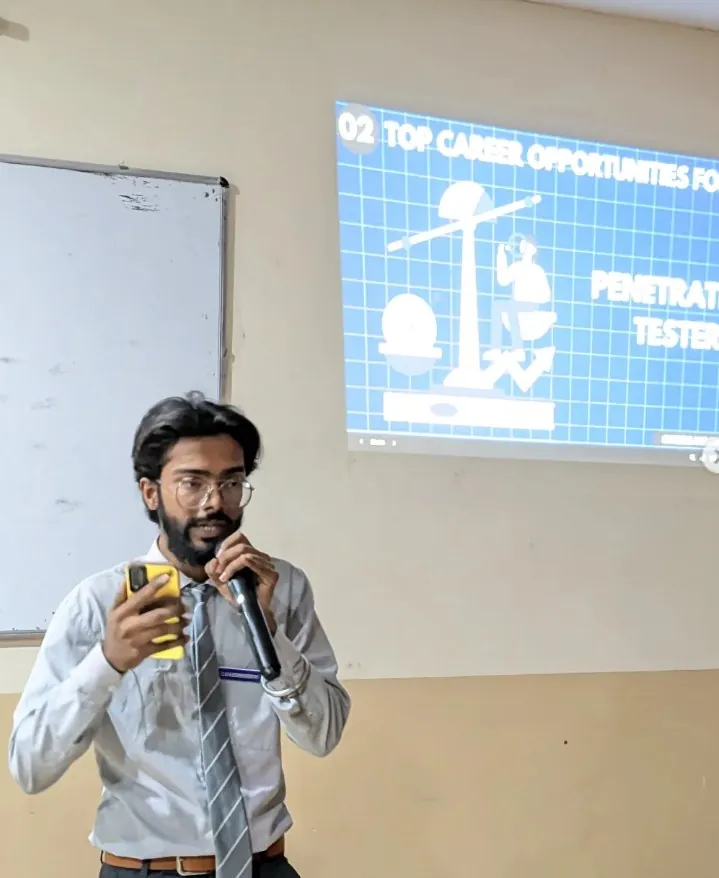
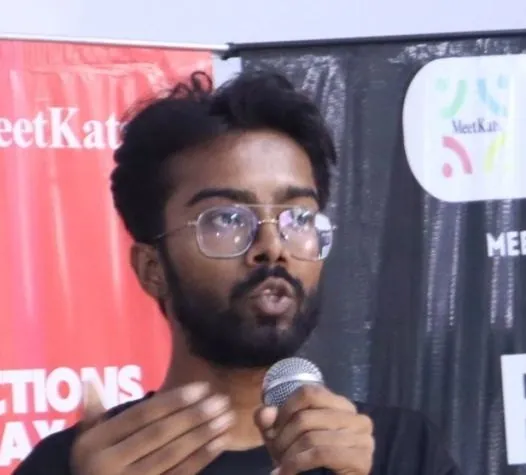
GenAI engineer and AI product builder with 2+ years shipping production-grade AI systems: RAG pipelines, fine-tuned LLMs, hybrid retrieval and multi-modal apps across vision, speech and OCR, architected end to end from ingestion to deployment. Leads engineering for SCULT INDIA's 14-member team, founded the 500+ member TechVerse Enclave community and has mentored 200+ students. Three hackathon first prizes: Changethon 2025 (IIT Roorkee), Product Genesis at Vividhotsava 2025 (CSJMU) and BYTEBATTLE (MeetKats).
Open to GenAI roles, hackathon judging, mentorship sessions and guest talks at colleges. For campus sessions the inviting institution covers the visit end to end: travel (a First AC train ticket for journeys up to five hours, a flight for anything longer), accommodation, meals, and pickup and drop; the honorarium and workshop fees are negotiable on WhatsApp or on the call, and requests are welcome from institutions that can cover the visit this way. Email pranjulrathour41@gmail.com.