Key takeaways
- Mentorship programs pair less experienced people with experienced mentors around clear goals for a set period.
- Good programs include careful matching, training, regular meetings, goals and feedback.
- Most run three to twelve months; school and college programs often follow the academic year.
- Mentorship speeds learning, builds confidence and opens opportunities, in classrooms, workplaces and hospitals.
- Programs fail from poor matching, no structure, no time for mentors and no follow-through.
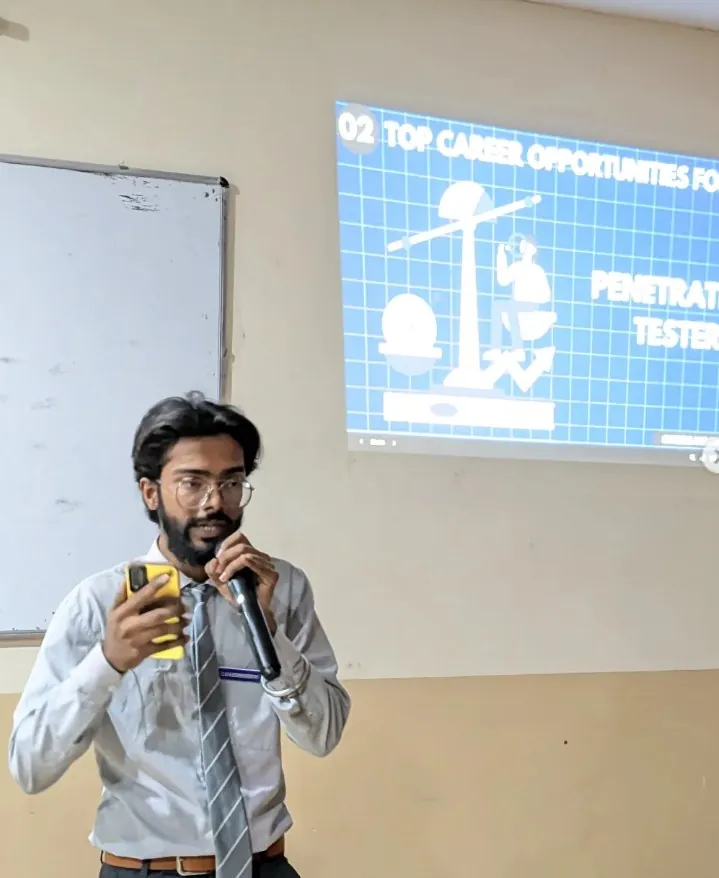
Mentorship programs are structured initiatives that pair mentees with experienced mentors to support learning, career growth or personal development, with defined goals, regular meetings and a set duration. Schools, colleges, companies, hospitals and communities run them. I have mentored more than 200 students since 2023 and built TechVerse Enclave, a student tech community of over 500 members where seniors guide juniors, so this page covers how programs work, what they offer, duration, why mentorship matters in different settings, why programs fail, and school examples.
What are mentorship programs?
Mentorship programs are organised systems for creating mentoring relationships, rather than leaving them to chance. An organisation recruits mentors and mentees, matches them, sets expectations and supports the relationships over a defined period.
Types include one-to-one mentoring, group mentoring with one mentor and several mentees, peer mentoring between people at similar stages, reverse mentoring where juniors teach seniors about new skills, and e-mentoring online. Goals vary: onboarding new employees, supporting first-generation college students, developing leaders, or helping professionals switch careers. The structure makes mentorship accessible to people who would not otherwise find a mentor. It also protects both sides: clear expectations, a coordinator to turn to, and a defined end date make it easier for busy professionals to volunteer and for mentees to ask for help.
How do mentorship programs work?
They usually follow a cycle: recruit and screen participants, train mentors, match pairs based on goals and background, kick off with agreed goals, hold regular meetings, check progress midway, and close with reflection and feedback.
Key elements:
- Matching: by goals, skills, interests and availability.
- Agreements: meeting frequency, confidentiality and expectations.
- Support: coordinators check in and resolve problems.
- Resources: discussion guides and session ideas.
- Evaluation: surveys and outcomes measured at the end.
In TechVerse Enclave, informal mentoring works because seniors share real project experience and juniors bring specific questions, which keeps meetings useful. When a junior shows a half-built project, the conversation becomes concrete within minutes.
What do mentorship programs offer?
They offer guidance from someone experienced, a safe space to ask questions, feedback on work and decisions, skill development, networking and introductions, and encouragement through difficult periods. Mentors often benefit too, gaining leadership skills and fresh perspectives.
For students, programs can offer help choosing courses and careers, preparing for internships and building projects. For employees, they offer faster onboarding, career planning and visibility to senior leaders. Some programs add workshops, events and certificates. The most valuable offer is usually the relationship itself: a person who knows your goals and invests in your progress.
How long are mentorship programs?
Most formal programs run three to twelve months, with six months being common in workplaces. School and college programs often follow the academic year, and onboarding buddy programs may last only the first few months of a job.
Meeting frequency matters as much as length: every two to four weeks is typical, often for 30 to 60 minutes. Shorter programs need focused goals, such as preparing for placements; longer ones suit leadership development or career transitions. Many relationships continue informally after a program ends, which is often a sign of a good match. A useful habit is to set a goal for each phase, such as a first-month skills plan and a mid-point project review, so the time has visible milestones.
Why is mentorship important?
Mentorship accelerates learning by passing on experience that is not written in books: how decisions are really made, which mistakes to avoid and which opportunities exist. It builds confidence, widens networks and helps people stay motivated through challenges.
Also asked as: why mentorship is important
Research and experience across fields show mentored people tend to report greater career satisfaction, faster development and stronger retention. Mentorship also spreads opportunity: people without family networks in a field gain access to guidance others take for granted. For organisations and communities, it preserves knowledge and develops future leaders. Mentors gain too: explaining their decisions sharpens their own thinking, and many say mentoring renewed their motivation.
Why is mentorship important for students?
Students face many decisions with little information: which skills to learn, which projects to build, how to find internships and how to handle setbacks. A mentor who has recently been through the same path makes these decisions clearer.
Mentors help students set realistic goals, avoid wasted effort, prepare for interviews and discover opportunities such as hackathons and research. They also support wellbeing, normalising struggle and encouraging persistence. In my own sessions, such as the VSICS induction for over 100 first-year students, a simple three-year roadmap removed much of the confusion students felt about where to start.
Why is mentorship important in the workplace?
In workplaces, mentorship speeds onboarding, builds skills, improves retention and develops leaders. New employees learn unwritten norms faster, and mentees gain visibility and advice for career moves.
Also asked as: why mentorship is important in the workplace
Organisations benefit from knowledge transfer before experienced people leave, stronger collaboration across teams, and more diverse leadership pipelines when programs deliberately include underrepresented groups. Mentors develop coaching and leadership skills. In engineering teams, everyday mentoring through code reviews and pairing often matters as much as formal programs, because it ties learning to real work.
Why is mentorship important in healthcare?
In healthcare, including nursing and medicine, mentorship helps new professionals translate training into safe practice, build clinical judgement, cope with stress and adapt to demanding environments. It supports patient safety and reduces early-career burnout and turnover.
New nurses and doctors face high-stakes decisions, long shifts and emotional strain. Experienced mentors model clinical reasoning, communication with patients and teamwork, and provide support after difficult cases. Structured preceptorship and mentoring programs in hospitals are linked with better retention and confidence. Mentorship also guides research and specialisation decisions in medical careers.
Why do mentorship programs fail?
Common reasons: poor matching, unclear goals, mentors without time or training, no structure for meetings, little organisational support, and no follow-up or measurement. Relationships drift, meetings stop, and participants conclude mentoring "doesn't work".
Also asked as: why mentorship programs fail
Programs can also fail specific groups, for example women in tech, when mentoring offers advice but no sponsorship, meaning no one advocates for mentees' promotions and opportunities. Fixes include training mentors, matching on goals, scheduling the first meetings up front, providing session guides, recognising mentors' time, checking in midway and pairing mentoring with sponsorship and real opportunities.
What are examples of mentorship programs in schools?
Examples include peer mentoring where senior students support juniors through transitions, teacher advisory groups, alumni mentoring for career guidance, reading buddy programs pairing older and younger students, and industry volunteers mentoring science and coding clubs.
In colleges, common formats are senior-junior mentoring for first-years, faculty mentor groups, alumni networks, and club-based mentoring around projects and competitions. Successful school programs train mentors, set meeting schedules, involve parents or teachers appropriately and celebrate progress. Even simple formats, like a monthly senior-led Q&A, can make a large difference to students who lack guidance elsewhere. Start small, gather feedback after each term, and expand what works rather than launching an elaborate program that fades after a few weeks.
Sources

GenAI engineer and AI product builder with 2+ years shipping production-grade AI systems: RAG pipelines, fine-tuned LLMs, hybrid retrieval and multi-modal apps across vision, speech and OCR, architected end to end from ingestion to deployment. Leads engineering for SCULT INDIA's 14-member team, founded the 500+ member TechVerse Enclave community and has mentored 200+ students. Three hackathon first prizes: Changethon 2025 (IIT Roorkee), Product Genesis at Vividhotsava 2025 (CSJMU) and BYTEBATTLE (MeetKats).
Open to GenAI roles, hackathon judging, mentorship sessions and guest talks at colleges. For campus sessions the inviting institution covers the visit end to end: travel (a First AC train ticket for journeys up to five hours, a flight for anything longer), accommodation, meals, and pickup and drop; the honorarium and workshop fees are negotiable on WhatsApp or on the call, and requests are welcome from institutions that can cover the visit this way. Email pranjulrathour41@gmail.com.