
Key takeaways
- A side project is something you build outside your main job or studies, for learning, fun or opportunity.
- They build skills, portfolios and networks, and many careers and companies started as side projects.
- The best engineering side projects solve a real problem, get deployed and attract at least a few real users.
- Ship by shrinking scope to one core feature, setting a deadline and launching before it feels finished.
- Projects die from vague goals, scope creep and lost motivation; small milestones and public commitments help.
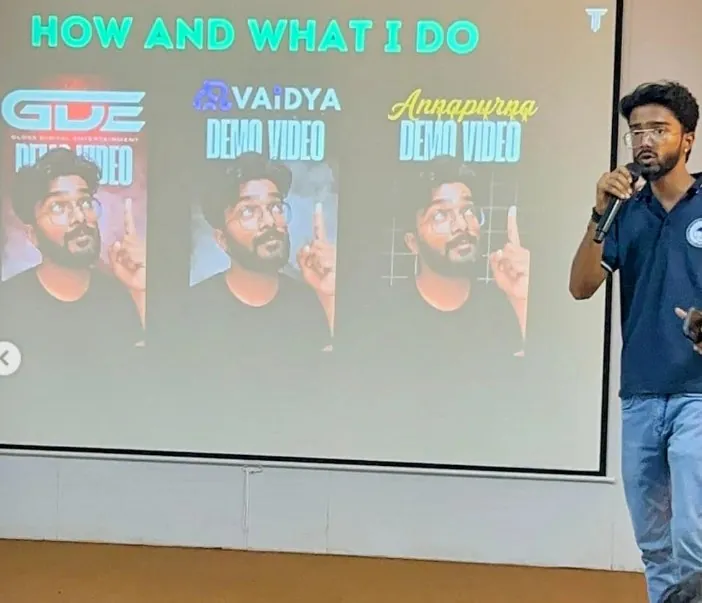
A side project is something you build outside your main job or coursework, an app, tool, website, open-source library or experiment, for learning, enjoyment or opportunity. For developers, side projects are where new skills, portfolio pieces and sometimes startups come from. My own path is full of them: hackathon builds like KrishGyan, Annapurna and BrandHive, and five AI apps shipped in 2026. This page covers what side projects are, why they matter, community views, examples, the best ideas for engineers, shipping, why they die, family balance and long-term lessons.
What are side projects?
Side projects are self-directed projects done alongside your primary job or studies. For developers, they range from weekend experiments and personal tools to open-source contributions and small products with users or revenue.
Also asked as: what is side projects · do side projects matter reddit
They differ from work projects because you choose the problem, technology and pace. That freedom makes them ideal for learning new frameworks, exploring ideas and building things you care about. Some stay personal; others become portfolio centrepieces, community resources or businesses. The key ingredient is ownership: you decide, build and ship. That ownership is exactly what interviewers probe when they ask you to walk through a project, because it shows how you make decisions without a manager telling you what to do.
Why are side projects important?
Side projects build skills faster than courses, because you face real problems end to end. They create portfolio evidence for jobs, especially for students and career switchers, and they connect you with people through sharing, open source and hackathons.
They also let you explore interests without career risk, keep your skills current, and sometimes grow into products or companies. Recruiters value them because they show initiative, curiosity and the ability to finish. For students, a deployed side project with real users often matters more than grades in technical interviews.
Do side projects matter, according to the community?
Community discussions, such as on Reddit, are mixed but mostly positive: side projects matter a lot for students, juniors and career changers without much experience, and less for senior engineers whose work history speaks for them.
Common views: interviewers often ask about interesting projects; quality and depth beat quantity; finished, deployed projects beat abandoned repositories; and side projects should be enjoyable, not obligatory unpaid work. Some note that many employers never look at GitHub, so present projects clearly on your resume with outcomes. Balance matters: they help most when they are sustainable.
What are some examples of side projects?
Examples include personal finance trackers, habit apps, browser extensions, automation scripts, portfolio websites, Discord or Telegram bots, open-source libraries, blogs, small games, data visualisations of public datasets, and AI tools such as document chatbots.
Some famous products began as side projects, including tools that later became companies. Community-focused projects work well too, such as a college event app, a notes-sharing site or a tool for a local business. The best examples solve a problem the builder personally experienced, which keeps motivation high and makes the project easy to explain.
What are the best side projects for software engineers?
The best side projects solve a real problem, use technology you want to master, get deployed, and have at least a few real users. Depth and completion matter more than novelty.
Strong ideas:
- A RAG assistant over documents you use, with citations and evaluation.
- A developer tool that automates something tedious in your workflow.
- An open-source library filling a gap you hit at work.
- A full-stack app with authentication, payments in test mode and deployment.
- A data project analysing public data with an interactive dashboard.
- A browser-based AI tool that runs models locally for privacy.
How do I ship side projects?
Shrink scope to one core feature, set a short deadline, build the simplest version that delivers value, deploy it, and share it publicly. Shipping early gets feedback that tells you what to improve.
Also asked as: how to ship side projects
Practical steps: write a one-sentence goal; list must-have features and cut everything else; use tools you know for speed; deploy on day one, even as a skeleton; set a launch date and tell someone; and launch to a small audience such as friends, classmates or a community. Iterate after launch, not before. Free hosting on GitHub Pages, Vercel or similar platforms removes cost as an excuse for not deploying.
How do I actually ship my side projects consistently?
Build habits and systems: schedule regular, small work sessions, keep a visible task list, define "done" for each milestone, and publicly commit to launch dates. Consistency beats bursts of motivation.
Also asked as: how to actually ship your side projects
Tips that work:
- Work in 45 to 90 minute sessions a few times a week.
- End each session by writing the next small task.
- Use starter templates to skip setup.
- Ship version one in two to four weeks.
- Share progress weekly, building in public.
- Celebrate launches, then decide whether to continue.
Hackathons are a great shipping forcing function: a fixed deadline and demo at the end.
Why do I keep abandoning my side projects?
Common reasons are vague goals, overly large scope, perfectionism, starting with the boring parts like infrastructure, losing interest once the novelty fades, and no external accountability. Each new idea feels more exciting than finishing the current one.
Also asked as: why do i keep killing my side projects
Fixes: choose projects tied to a real need, define a small first version, build the most interesting or valuable part first, set deadlines, share progress publicly, and allow yourself to finish small rather than abandon big. It is also fine to stop projects deliberately once they have taught you what you wanted; label them as experiments rather than failures.
How do I balance side projects and family?
Set clear time boundaries, such as specific evenings or weekend mornings, choose smaller projects, and involve family in planning so expectations are shared. Protect rest and relationships; side projects should add energy, not drain it.
Also asked as: how to balance side projects and family
Practical approaches: work early mornings or during commutes, pause projects during busy family periods, and focus on projects that also serve family needs, such as a household budget app. Track time honestly for a few weeks to see the real cost. If a project causes constant stress, scale it down; consistent small progress is sustainable.
What do years of side projects teach?
Long-term builders often report similar lessons: finish small things, solve your own problems, ship early, distribution matters as much as building, most projects will not succeed commercially, and the skills and relationships gained compound regardless.
Also asked as: what eight years of side projects have taught me (2019
Other lessons: simple technology choices age better than trendy stacks; writing about projects multiplies their value; and a few projects eventually create disproportionate opportunities, such as jobs, collaborations or businesses. My own hackathon builds led to first prizes and taught me the skills behind the production apps I shipped later, which no course could have provided. Keep a simple log of every project, what you learned and what you would do differently; over years, that log becomes a record of your growth and a source of stories for interviews and talks.
Sources

GenAI engineer and AI product builder with 2+ years shipping production-grade AI systems: RAG pipelines, fine-tuned LLMs, hybrid retrieval and multi-modal apps across vision, speech and OCR, architected end to end from ingestion to deployment. Leads engineering for SCULT INDIA's 14-member team, founded the 500+ member TechVerse Enclave community and has mentored 200+ students. Three hackathon first prizes: Changethon 2025 (IIT Roorkee), Product Genesis at Vividhotsava 2025 (CSJMU) and BYTEBATTLE (MeetKats).
Open to GenAI roles, hackathon judging, mentorship sessions and guest talks at colleges. For campus sessions the inviting institution covers the visit end to end: travel (a First AC train ticket for journeys up to five hours, a flight for anything longer), accommodation, meals, and pickup and drop; the honorarium and workshop fees are negotiable on WhatsApp or on the call, and requests are welcome from institutions that can cover the visit this way. Email pranjulrathour41@gmail.com.
