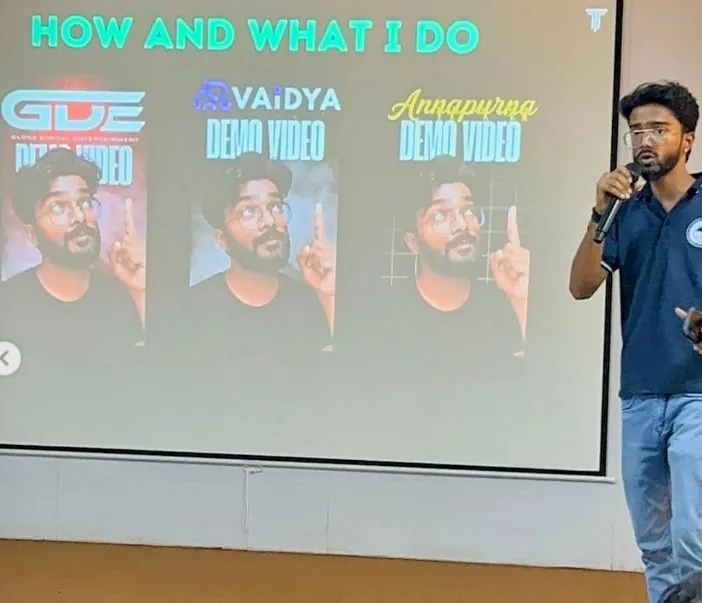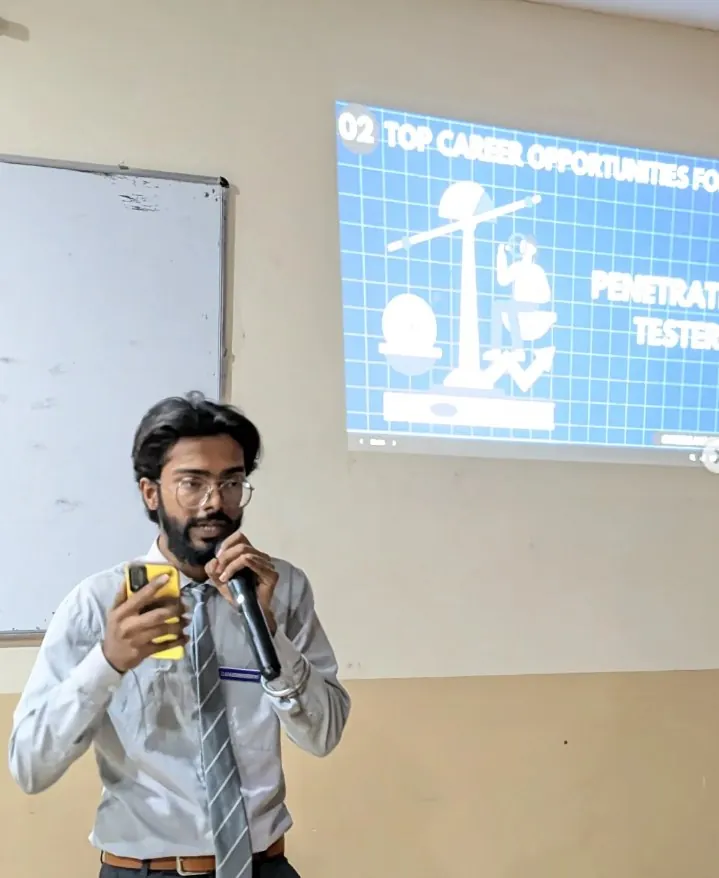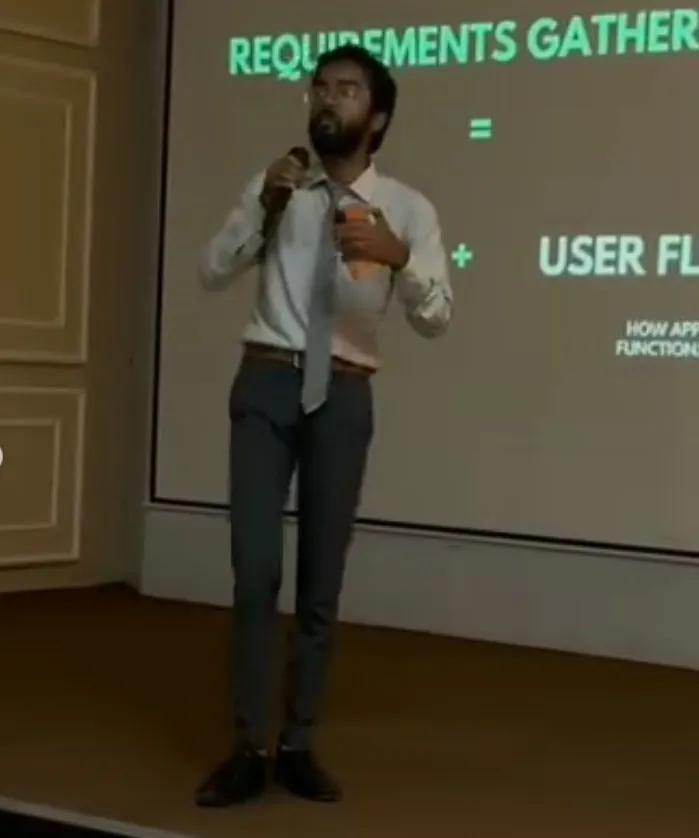
A talk is rehearsed and timed. Q&A is not, and for a technical audience it's often where the real value of the session shows up — or where a speaker loses the room they'd just won.
Three kinds of questions, three approaches
- The genuine follow-up ('how did you handle X'): answer directly and briefly — this is the easy case.
- The 'well actually' from someone showing expertise: acknowledge the point honestly, correct only if they're factually wrong, and move on without ego.
- The question you don't know the answer to: say so plainly, offer to follow up, and move on. Guessing confidently and being wrong costs more credibility than admitting the gap.
Protecting the room's time
Repeat the question aloud before answering — half the room usually didn't hear it — and set an expectation upfront ('let's do five more questions') so one long thread doesn't crowd out everyone else waiting to ask something.
See how I prepare a campus talk for the part of the session before Q&A even starts.

GenAI engineer and AI product builder with 2+ years shipping production-grade AI systems: RAG pipelines, fine-tuned LLMs, hybrid retrieval and multi-modal apps across vision, speech and OCR, architected end to end from ingestion to deployment. Leads engineering for SCULT INDIA's 14-member team, founded the 500+ member TechVerse Enclave community and has mentored 200+ students. Three hackathon first prizes: Changethon 2025 (IIT Roorkee), Product Genesis at Vividhotsava 2025 (CSJMU Kanpur) and BYTEBATTLE (MeetKats).
Open to GenAI roles, hackathon judging, mentorship sessions and guest talks at colleges. Email pranjulrathour41@gmail.com.