
Key takeaways
- Building in public means sharing progress, numbers and lessons honestly while you build.
- Pick one or two platforms where your users gather, and own a blog or newsletter.
- Ship tiny scopes on deadlines to beat unfinished side projects and burnout.
- A 48-hour app is feasible with Expo or Flutter, but store review can add days or weeks.
- Public speaking confidence grows from preparation, practice and gradual exposure.
Building in public means sharing what you make, including progress, numbers and mistakes, while you make it. It attracts feedback, users and opportunities, and it pairs naturally with public speaking, since both reward showing up consistently. I share the products I ship, such as the five NextUpgrad apps from 2026, and have spoken at more than 20 campus sessions, so this page covers examples, courses, platforms, a 48-hour app, unfinished side projects, marketing and speaking with confidence.
What are examples of building in public?
Well-known examples include Pieter Levels sharing product launches and revenue openly, Buffer publishing company metrics and salaries, and Arvid Kahl documenting how he built and sold FeedbackPanda. Many indie developers post weekly progress, numbers and lessons.
Also asked as: build in public examples
Building in public can be small: a thread showing a feature before and after, a short video demo, a post explaining a bug and its fix, or a monthly update with users and lessons. Student developers can share hackathon builds, open-source contributions and learning milestones. The common thread is honesty, including failures, which builds trust. Share what is useful to others rather than only celebrating wins, and protect user data and confidential details in every post.
Is there a good build in public course?
There is no single standard course. Useful resources include books such as Arvid Kahl's The Embedded Entrepreneur and Pieter Levels' MAKE, the Indie Hackers community and podcast, and creators who teach indie product building through newsletters and videos.
The skills to learn are practical: shipping small products quickly, writing clear updates, recording short demos, choosing metrics worth sharing and engaging genuinely with replies. You learn most by starting: post one update a week about what you built and learned for three months, then review what resonated. Paid courses can add structure, but be wary of courses promising audience growth or income. Consistency and useful content matter more than any formula.
Where do indie hackers build in public these days?
Common places include X, LinkedIn, the Indie Hackers community, Reddit communities such as r/SideProject and r/indiehackers, Product Hunt for launches, Hacker News Show HN posts, YouTube, newsletters and developer platforms such as dev.to.
Each platform suits a different audience: X for fast-moving maker communities, LinkedIn for professional and career audiences, Reddit for niche feedback, Product Hunt and Show HN for launch days, and YouTube for longer demos. Many builders cross-post adapted versions rather than identical text. Follow each community's rules, especially around self-promotion. Choose one or two primary platforms where your target users already spend time, and go deep there instead of spreading thin.
Where should a solo hacker share their build in public journey?
Share where your future users and peers gather. For developer tools, try X, Hacker News and GitHub; for professional audiences, LinkedIn; for consumer apps, Instagram, TikTok or YouTube Shorts; and keep a personal blog or newsletter as your permanent home.
Also asked as: where do you share your build in public journey as a solo hacker
Social platforms change algorithms often, so own a channel: a blog, newsletter or personal site where updates live permanently and search engines can find them. Post short updates on social platforms that link back for details. Engage with others' journeys too, since communities reward reciprocity. A simple rhythm works well: weekly short updates and a monthly longer reflection with metrics, lessons and next steps. Consistency over months builds an audience more than any single viral post.
How do you publish a mobile app from scratch in 48 hours?
Scope ruthlessly to one core feature, use a cross-platform framework such as Expo with React Native or Flutter, a backend service such as Supabase or Firebase, and ready-made UI components, then build, test and submit within the window.
Also asked as: how to publish a mobile application from scratch in 48 hours? build-in-public
Plan day one for building and day two for testing, store assets and submission. Expo's build service creates iOS and Android builds without local setup. Prepare screenshots, a privacy policy and descriptions in advance. Store timelines are outside your control: Apple reviews often take a day or more, and new personal Google Play accounts must run a closed test with testers for about two weeks before production release. Share progress publicly as you go.
Why do side projects remain unfinished?
Side projects usually stall because of oversized scope, burnout from working after studies or jobs, perfectionism, fading novelty, unclear goals and lack of feedback from real users. Without a deadline or audience, momentum disappears.
Also asked as: why your side project remains unfinished: burnout explained
Prevent this by defining a tiny first version you can finish in two weeks, setting a public deadline, and shipping before it feels ready. Track progress visibly and celebrate small releases. Protect rest: burnout comes from treating side projects like a second full-time job. If motivation dies, decide deliberately to pause, archive or hand it off, rather than letting it drift. Unfinished projects still teach skills, so write up what you learned before moving on.
What is a checklist of marketing ideas for side projects?
A practical checklist: a clear landing page with a demo, a waitlist or email signup, a launch on Product Hunt, Show HN and relevant subreddits, build-in-public posts, SEO articles answering users' questions, directory listings and direct outreach to early users.
Add a short demo video, a simple onboarding email, and a way to collect feedback inside the product. Write helpful content around problems your project solves, which keeps attracting visitors long after launch. Ask early users for testimonials and referrals. Partner with communities, newsletters or creators in your niche. Measure where signups come from and double down on channels that work. Marketing is ongoing: plan a little each week rather than one big launch.
How do you build confidence in public speaking?
Confidence comes from preparation and repetition: know your message, practise aloud several times, record yourself, start with small audiences, and focus on helping listeners rather than on your nerves. Every talk makes the next one easier.
Also asked as: how to build confidence in public speech
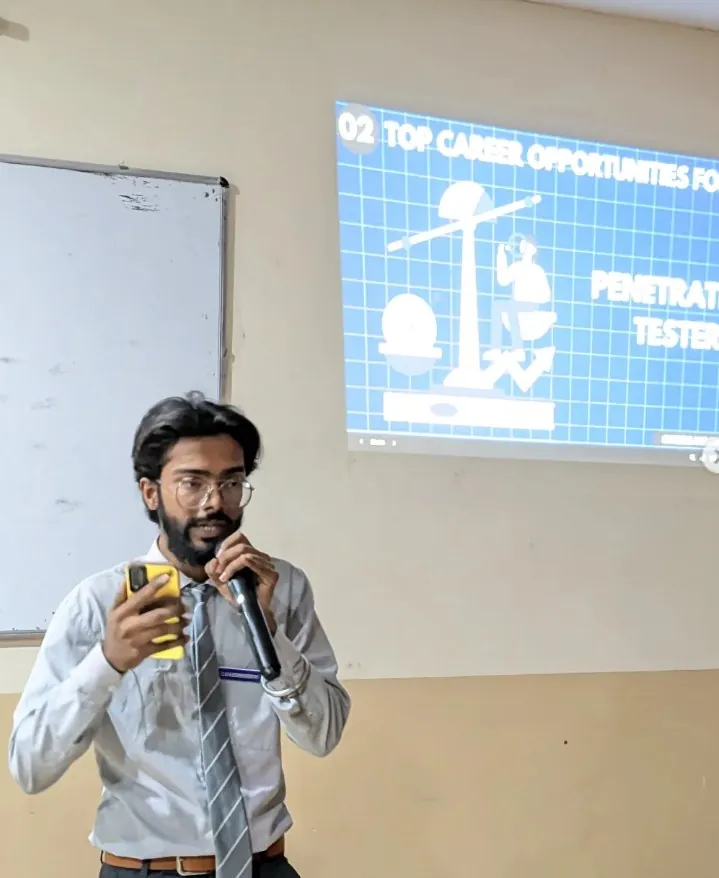
Structure helps: a clear opening, three main points and a memorable close. Arrive early to check the room and equipment. Use slow breathing before starting, and pause rather than filling silence with filler words. Ask a friend for honest feedback, or join a club such as Toastmasters for regular practice. These are the same basics I recommend to students before their first talks, whether a class presentation or a hackathon pitch.
How do you overcome a timid nature in public speaking?
Use gradual exposure: speak in small, low-stakes settings first, such as asking a question in class or presenting to a few friends, then move to larger groups. Memorise your first few lines, since nerves peak at the start.
Also asked as: how to build timid nature in public speaking
Reframe nervousness as energy, which feels physically similar to excitement. Prepare thoroughly so you can rely on structure when anxiety rises, and use notes or slides as prompts, not scripts. Make eye contact with friendly faces first. Introverted and shy people often become excellent speakers because they prepare carefully and listen well. Track small wins, and remember audiences generally want you to succeed. If anxiety is severe, consider support from a counsellor or speaking coach.
How do you start a public speaking speech?
Open with a hook that earns attention: a short story, a surprising fact, a direct question or a bold statement related to your topic. Then say why it matters to this audience and preview what you will cover.
Also asked as: how to start a public speaking speech
Avoid weak openings such as apologising, long thank-you lists or reading your title slide. For a student audience, a story about a common struggle, such as not knowing where to start in tech, works well. Keep the first thirty seconds rehearsed until automatic, since that steadies nerves. Make eye contact, smile, and pause after your hook to let it land. A strong opening builds trust for everything that follows.
Sources

GenAI engineer and AI product builder with 2+ years shipping production-grade AI systems: RAG pipelines, fine-tuned LLMs, hybrid retrieval and multi-modal apps across vision, speech and OCR, architected end to end from ingestion to deployment. Leads engineering for SCULT INDIA's 14-member team, founded the 500+ member TechVerse Enclave community and has mentored 200+ students. Three hackathon first prizes: Changethon 2025 (IIT Roorkee), Product Genesis at Vividhotsava 2025 (CSJMU) and BYTEBATTLE (MeetKats).
Open to GenAI roles, hackathon judging, mentorship sessions and guest talks at colleges. For campus sessions the inviting institution covers the visit end to end: travel (a First AC train ticket for journeys up to five hours, a flight for anything longer), accommodation, meals, and pickup and drop; the honorarium and workshop fees are negotiable on WhatsApp or on the call, and requests are welcome from institutions that can cover the visit this way. Email pranjulrathour41@gmail.com.


