Key takeaways
- Building in public means sharing your work, progress, numbers and lessons openly while you build.
- It attracts users, collaborators and opportunities, and keeps you accountable.
- Post consistently with specifics: what you shipped, what broke, what you learned, and what is next.
- Trust comes from consistency, honesty about failures and delivering what you promise.
- Public confidence and speaking grow through small, repeated exposures with feedback.
Building in public means sharing your work openly while you make it: what you are building, why, progress, numbers, mistakes and lessons, usually on social media, blogs or communities. Instead of launching in silence, you bring people along, which attracts users, collaborators, mentors and job offers. I share my projects, hackathon builds and products through my site, pranjulrathour.scult.in, and talks, so this page covers what building in public means, doing it on X and Reddit, content ideas, and building trust, confidence, speaking and public relations.
What is building in public?
Building in public is a practice, popular with indie founders, developers and creators, of documenting your project's journey publicly as it happens: features shipped, metrics, revenue or users if you choose, failures, decisions and plans.
It turns your work into an ongoing story people can follow. Benefits include early feedback, a community that becomes your first users, accountability that keeps you consistent, and visibility that leads to opportunities. Risks include competitors seeing your plans and pressure to share more than you are comfortable with, so decide upfront what stays private, such as client data or unreleased strategy. A simple rule: share the process and lessons freely, and keep anything confidential, personal or contractually restricted private.
What does "build in public" mean?
It means making your work process visible instead of only showing finished results. You share the messy middle: the first prototype, the bug that cost two days, the feature users ignored, the small win that mattered, and what you are trying next.
Also asked as: what does build in public mean
For students, building in public can be as simple as posting weekly progress on a project, sharing hackathon builds and writing short lessons. It signals initiative to recruiters: a visible trail of real work is more convincing than a resume claim. It also helps you think clearly, because explaining what you did forces you to understand it. Over months, the posts become a searchable record of your growth that you can point to in interviews.
How do I actually build in public?
Pick one project, one or two platforms, and a regular rhythm, then post specific updates: what you built, a screenshot or demo, what you learned, and what is next. Consistency matters more than polish.
A practical routine:
- Post a short update two or three times a week.
- Share one weekly recap with numbers or progress.
- Show work: screenshots, short videos, code snippets, diagrams.
- Be honest about failures and what you changed.
- Reply to comments and help others building too.
- Link everything back to a project page or portfolio.
Start before you feel ready; early posts get better as you go. Keep a running notes file during the week so you always have material, and batch-write posts when you have time.
How do I build in public on X (Twitter)?
On X, post short progress updates with visuals, use threads for deeper lessons, engage with other builders, and keep a pinned post explaining what you are building. Developer and founder communities there respond well to specific, honest updates.
Also asked as: how to build in public on twitter
Tips: lead with the outcome, for example "Shipped hybrid search today, and answers on my test questions got noticeably better", attach a screenshot or short video, and end with a question to invite replies. Reply thoughtfully to people in your field, since conversations grow audiences faster than broadcasting. Avoid empty motivational posts; specific details are what make building in public interesting.
How do I build in public on Reddit?
On Reddit, share progress in relevant communities, such as side project, startup or technology subreddits, following each community's rules on self-promotion. Lead with value: lessons, technical details or questions, not just links to your product.
Also asked as: how to build in public reddit
Redditors dislike marketing disguised as posts, so be transparent: "I built this, here is what I learned, feedback welcome." Detailed write-ups about technical challenges, numbers and mistakes perform well. Respond to every comment, including critical ones. Reddit feedback is often blunt, which makes it valuable for improving your product before wider launch.
What is build in public content?
Build in public content is any post that shows your work in progress: feature launches, before-and-after comparisons, metrics updates, lessons from failures, behind-the-scenes decisions, tool stacks, and milestones such as first users.
Content ideas that work:
- "What I shipped this week" with screenshots.
- A bug story: problem, cause, fix.
- A decision: options considered and why you chose one.
- Numbers: users, performance improvements, test results.
- A lesson from feedback.
- A short demo video.
For developers, technical depth is the differentiator: show architecture, benchmarks and code, not only announcements.
How do I build public trust?
Trust grows from consistency, honesty and delivering on promises: share accurate information, admit mistakes quickly, show your work and results, and treat people well in every interaction. It is built slowly and lost quickly.
Also asked as: how to build public trust
For builders and organisations, practical trust signals include transparent changelogs, clear privacy practices, real testimonials, visible people behind the product, and responsiveness to feedback. For FaceVision, explaining that only embeddings are stored, never images, is a trust feature as much as a technical one. Avoid exaggerated claims; accuracy about limitations increases credibility. When something goes wrong, explain what happened, what you fixed and what changes to prevent it, which often builds more trust than a flawless record.
How do I build confidence in public?
Build confidence through gradual exposure: start with small, low-risk situations, such as asking a question in class or posting a short update, and repeat until it feels normal, then take slightly bigger steps. Preparation and practice reduce anxiety.
Also asked as: how to build confidence in public
Other habits help: focus on serving your audience rather than on how you look, prepare a few key points, practise out loud, and reflect on what went well after each attempt. Confidence follows evidence: each time you speak or share and nothing terrible happens, your brain updates. Communities and mentors make the early steps easier.
How do I build public speaking skills?
Speak often in low-stakes settings, prepare structured talks, practise out loud, record yourself, and get feedback. Clubs such as Toastmasters, college communities and meetups give regular, supportive practice.
Also asked as: how to build public speaking
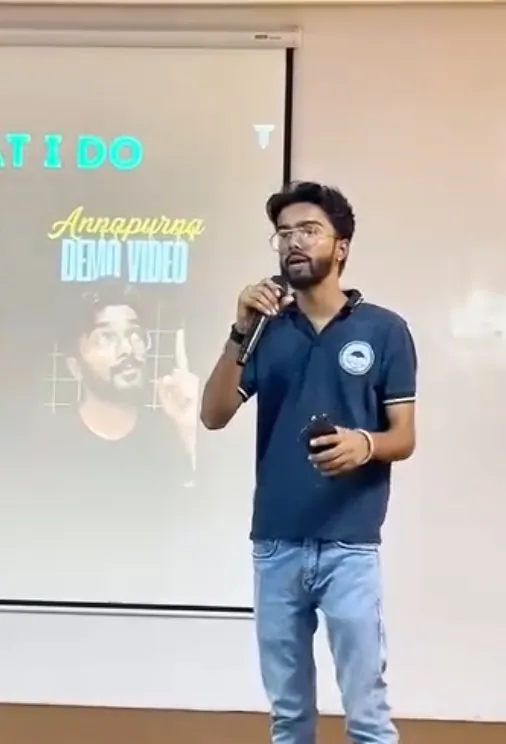
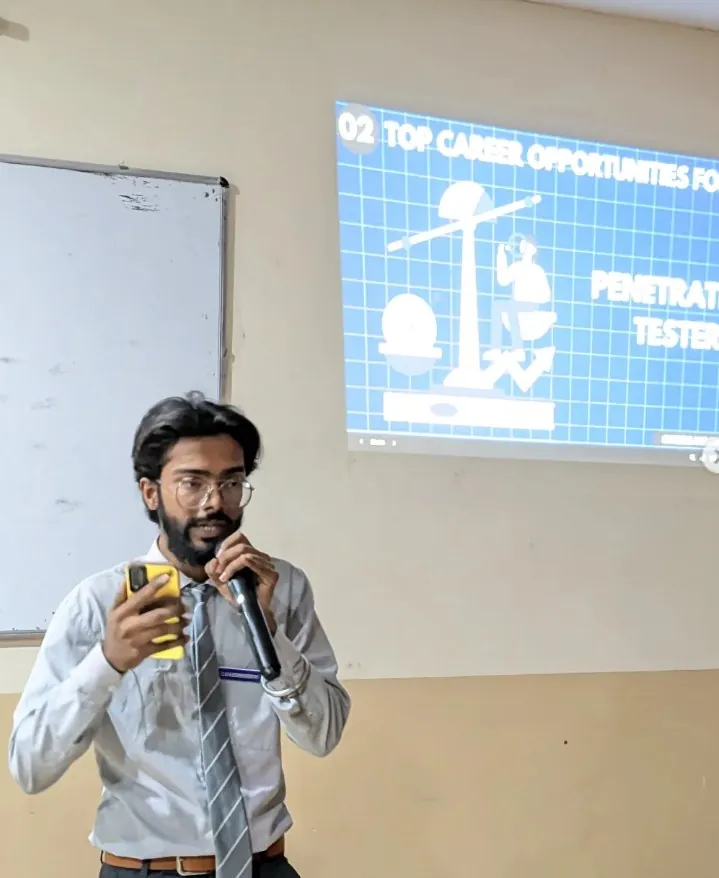
A path: start with short presentations in class or club meetings, then give a five-minute demo of a project, then a longer talk at a college event. My own path went from small sessions with juniors to more than 20 campus sessions, including the VSICS induction for over 100 first-year students. Each talk taught something: clearer openings, fewer slides, more stories.
How do I build public relations?
Public relations means managing how an organisation or person is perceived through earned attention: media coverage, community relationships, speaking, partnerships and clear communication. Start with a clear story, then share it consistently through the right channels.
Also asked as: how to build public relations
Practical steps: define your key messages and audience, create a simple press or about page with facts and photos, build relationships with journalists and community leaders before you need them, share genuine news such as launches and results, and respond quickly and honestly when problems arise. For individuals and small teams, building in public, speaking and community work are often the most effective PR.
Sources

GenAI engineer and AI product builder with 2+ years shipping production-grade AI systems: RAG pipelines, fine-tuned LLMs, hybrid retrieval and multi-modal apps across vision, speech and OCR, architected end to end from ingestion to deployment. Leads engineering for SCULT INDIA's 14-member team, founded the 500+ member TechVerse Enclave community and has mentored 200+ students. Three hackathon first prizes: Changethon 2025 (IIT Roorkee), Product Genesis at Vividhotsava 2025 (CSJMU) and BYTEBATTLE (MeetKats).
Open to GenAI roles, hackathon judging, mentorship sessions and guest talks at colleges. For campus sessions the inviting institution covers the visit end to end: travel (a First AC train ticket for journeys up to five hours, a flight for anything longer), accommodation, meals, and pickup and drop; the honorarium and workshop fees are negotiable on WhatsApp or on the call, and requests are welcome from institutions that can cover the visit this way. Email pranjulrathour41@gmail.com.