Key takeaways
- Career mentors help with goals, skills, interviews, negotiations, workplace challenges and transitions.
- Get a mentor at any new decision point; earlier is better, but it is never too late.
- At work, start with specific requests to admired colleagues and let mentorship grow from follow-ups.
- Mid-career, nontraditional and international mentees should use their experience and visible work to connect.
- Public speaking boosts visibility and credibility, and mentoring skills grow fastest through practice.
A career mentor helps you make better decisions about your direction: choosing roles and skills, preparing for interviews and promotions, navigating workplace challenges, and building a network. I have mentored more than 200 students since 2023 and lead a 14-member engineering team at SCULT INDIA, so this page covers what career mentors do, why they matter, when and how to find one at work, mid-career, as a nontraditional student or abroad, mentor courses, public speaking and a common interview question.
What can a career mentor help with?
A career mentor helps with direction and decisions: clarifying goals, choosing between roles or studies, identifying skill gaps, reviewing resumes and portfolios, preparing for interviews, negotiating offers, handling difficult workplace situations, and planning promotions or career changes.
Also asked as: career mentor course
They also offer what is hard to get elsewhere: honest outside perspective, introductions to people and opportunities, and lessons from their own mistakes. A mentor will not make decisions for you or find you a job, but they can help you see options you missed and test your reasoning. The more specific your questions, the more useful they become, such as asking how to present a hackathon project in an interview rather than how to get a job.
Why is having a mentor important to your career?
A mentor accelerates growth by sharing knowledge that takes years to learn alone: how organisations work, what decision-makers value, and which opportunities are worth taking. Mentored people often gain confidence, clarity and access to networks sooner.
Mentors also act as advocates: a respected mentor who knows your work may recommend you for projects, roles or speaking opportunities. They help you recover from setbacks by putting them in perspective. In fast-changing fields like AI, a mentor helps filter noise, pointing you toward durable skills rather than every new tool. Mentorship is not a shortcut around effort; it multiplies the effort you already put in by aiming it better.
When should you get a mentor?
Get a mentor whenever you face decisions you have not made before: choosing a degree or first job, starting at a new company, moving into leadership, switching careers or starting a business. Earlier is better, but it is never too late.
Also asked as: when to get a mentor
Students benefit from mentors when choosing projects, internships and specialisations, as early guidance prevents years of drift. New employees benefit during the first months, when understanding unwritten norms matters most. Experienced professionals benefit before promotions or transitions. You may need different mentors at different stages, so revisit your mentoring relationships each year. A sign you need one: you are repeatedly unsure what to do next, or you keep making the same kind of mistake.
How do you get a mentor at work?
Identify someone whose work or career path you admire, ideally a level or two ahead, start with a specific request such as feedback on a project or advice on a skill, and build the relationship through follow-ups rather than a formal ask.
Also asked as: how to get a mentor at work
Also ask your manager to recommend mentors and check whether your company runs a mentoring programme. Make it easy for busy people: propose a short, focused conversation, come prepared with questions, and share how you applied their advice. Offer help in return, such as research, documentation or a perspective on new tools. Over time, regular conversations become mentorship naturally. Avoid asking strangers directly to be your mentor; trust builds through useful interactions first.
How do you find a mentor mid-career?
Mid-career mentors are often peers or people one or two steps ahead in your field, leaders in adjacent functions, or experienced professionals in professional associations. Look for people who have made the transition you are considering.
Also asked as: how to find a mentor mid-career
At this stage, mentorship is more reciprocal: you bring experience too, so frame conversations as exchanges. Professional communities, conferences, alumni networks, industry meetups and online groups are good places to meet them. Consider paid coaching for structured goals, like moving into leadership, alongside informal mentors. Reverse mentoring with younger colleagues helps you stay current with tools such as AI. Be clear about your goal, since a vague request for career help is hard to answer.
How do you get a mentor as a nontraditional student in your 30s?
Use your experience as an advantage. Professors, alumni and industry professionals often appreciate mature students who bring work experience and clear goals. Ask faculty for guidance, join student and professional communities, and connect with people who also changed careers later.
Also asked as: how do you even get a mentor as a nontraditional student in their 30's
Look for mentors who made a similar transition, since they understand balancing study with work or family. Online communities, career-changer groups and mentoring platforms such as ADPList connect you beyond campus. Be direct about your timeline and constraints; mentors can then give practical advice. Peers can be mentors too, even if younger: a classmate strong in programming can help you technically while you help them with professional skills. Age diversity enriches mentoring in both directions.
How can you find a mentor or co-founder in the US while living outside it?
Build visible work and join online communities where US-based founders and engineers gather: open-source projects, founder forums, startup accelerator communities, discussions on X and LinkedIn, and online events. Relationships start from contributions and conversations, not cold requests.
Also asked as: how can i get a mentor/co-founder in the us while outside of it
Platforms such as Y Combinator's co-founder matching and mentoring sites help connect founders across borders. Global hackathons, online programmes and remote internships let US-based people see your work. When you reach out, be specific: share a project, your goal and one clear question. For co-founders, test collaboration on a small project before committing, and get proper legal advice on company structure and equity, since cross-border companies add tax and immigration complexity.
How do you become a career mentor, and do courses help?
You can become a career mentor through experience and practice; formal courses are optional but helpful. Courses on coaching and mentoring teach listening, questioning, goal-setting and feedback frameworks, and some offer certifications for professional coaching careers.
Look for programmes from recognised coaching bodies, universities or professional associations, and check whether they include practice sessions with feedback. Many organisations train volunteer mentors for their own programmes, which is a free way to learn. The most important preparation is real mentoring: start with juniors or students in your field, ask for feedback, and reflect on what helped. I learned mentoring mainly by doing it, through campus sessions and community work with students.
Does public speaking help your career?
Yes. Public speaking builds visibility, credibility and leadership presence. People who explain ideas clearly in meetings, demos and talks are more likely to be trusted with responsibility, invited to opportunities and remembered by decision-makers.
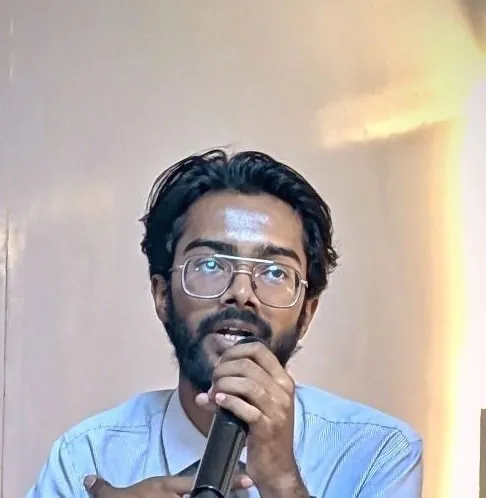
Speaking also improves thinking: preparing a talk forces you to structure ideas and anticipate questions. For engineers, it helps in pitching projects, presenting designs, interviewing and leading teams. Start small with team demos, college sessions or meetups, then grow to conferences. Speaking at 20+ campus sessions has helped me explain technical ideas simply, which also improves my writing and leadership. Practise with feedback, record yourself, and focus on serving the audience rather than impressing them.
How should you answer how a mentor has influenced your career?
In interviews, answer with a specific story: who the mentor was in general terms, a challenge you faced, the advice or example they gave, what you did differently, and the result. Keep it to about one or two minutes.
Also asked as: how has a mentor influenced your career
Use the STAR structure: situation, task, action, result. Focus on what you learned and how you still apply it, such as giving clear feedback, testing ideas with users, or asking for help early. Interviewers use this question to assess coachability and self-awareness, so show that you seek feedback and act on it. If you have mentored others, briefly mention how you pass the lesson on, which signals leadership potential and shows the advice outlasted the conversation.
Sources

GenAI engineer and AI product builder with 2+ years shipping production-grade AI systems: RAG pipelines, fine-tuned LLMs, hybrid retrieval and multi-modal apps across vision, speech and OCR, architected end to end from ingestion to deployment. Leads engineering for SCULT INDIA's 14-member team, founded the 500+ member TechVerse Enclave community and has mentored 200+ students. Three hackathon first prizes: Changethon 2025 (IIT Roorkee), Product Genesis at Vividhotsava 2025 (CSJMU) and BYTEBATTLE (MeetKats).
Open to GenAI roles, hackathon judging, mentorship sessions and guest talks at colleges. For campus sessions the inviting institution covers the visit end to end: travel (a First AC train ticket for journeys up to five hours, a flight for anything longer), accommodation, meals, and pickup and drop; the honorarium and workshop fees are negotiable on WhatsApp or on the call, and requests are welcome from institutions that can cover the visit this way. Email pranjulrathour41@gmail.com.