Key takeaways
- A mentor is a more experienced person who shares guidance, perspective and connections, usually informally and over time.
- Find mentors through communities, alumni, events and work, by asking specific questions and showing your work.
- A mentor shares experience; a coach asks questions and uses structured methods to help you find your own answers.
- Career coaches are usually paid professionals; mentors are usually unpaid and experienced in your field.
- Check any mentor-matching service for real reviews, clear terms and verified mentors before paying.
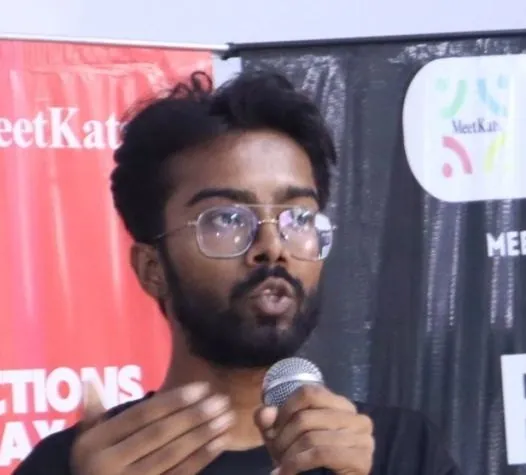
A mentor is a more experienced person who guides you over time by sharing knowledge, perspective and connections, helping you avoid mistakes and see opportunities you would miss alone. Mentors appear in schools, colleges, workplaces and communities. I have mentored more than 200 students since 2023 and founded TechVerse Enclave, a student tech community of over 500 members, so this page covers what mentors are, how to find the right one, mentors versus coaches, and how to check mentor-matching services.
What is a mentor in school?
In school, a mentor is a teacher, senior student or adult volunteer who supports a student's learning, confidence and choices beyond regular classes. They listen, advise on studies and careers, and act as a trusted person to talk to.
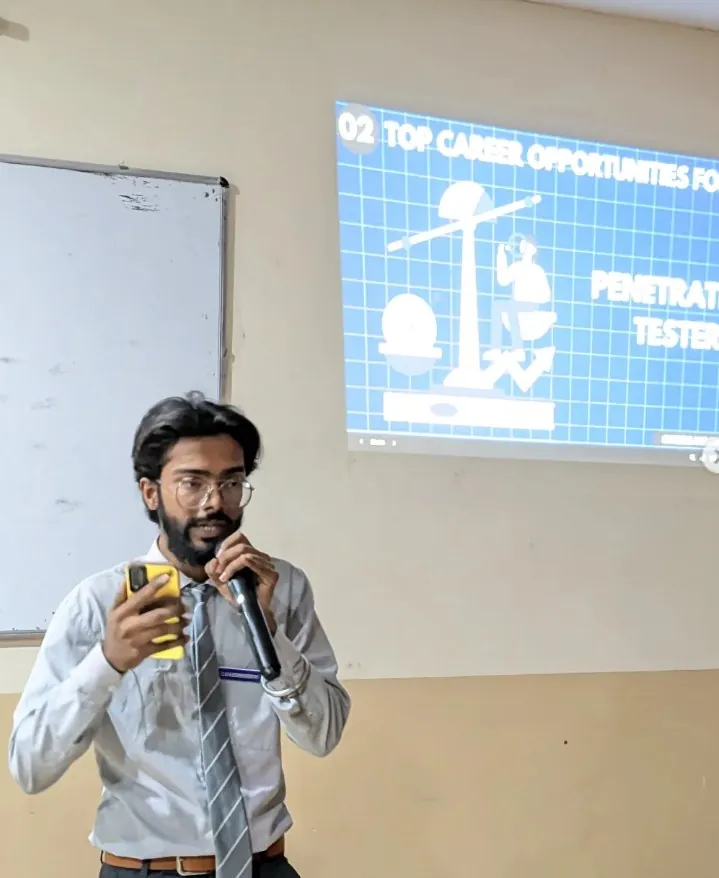
Schools run mentoring programmes where older students guide younger ones through transitions, teachers mentor small groups, or professionals volunteer to share career insights. Good school mentoring builds study habits, confidence and awareness of options. In college, seniors often play this role informally, which is why induction sessions matter: at the VSICS induction in July 2025, I walked over 100 first-year students through a three-year roadmap so they knew what to focus on each year.
What exactly is a mentor, and how do I find the right one?
A mentor is someone further along a path you want to follow, who shares experience and honest feedback because they want you to succeed. The right one has relevant experience, time for you, and a style that challenges you without discouraging you.
Also asked as: what exactly is a mentor and how to find the right one
To find one, identify what you need help with, such as getting into AI engineering or speaking confidently, then look for people a few steps ahead in that area. Engage with their work first, ask a specific question, and show what you have tried. Mentorship often grows from a few good conversations rather than a formal request. You can have several mentors for different areas.
What does "professional mentor" mean?
A professional mentor is an experienced person in your field or workplace who guides your career development: skills, decisions, workplace navigation, networking and growth opportunities. The relationship may be formal, through a company programme, or informal.
Also asked as: what does professional mentor mean
Some people also use "professional mentor" for paid mentoring services, where experienced practitioners offer sessions for a fee. Both can be valuable, but distinguish them from coaching and consulting. A good professional mentor gives honest feedback, shares lessons from their mistakes, opens doors when appropriate, and respects your goals rather than shaping you into a copy of themselves.
How do I find a professional mentor?
Look within your workplace's mentoring programme, professional associations, alumni networks, industry communities, conferences and meetups, and platforms such as LinkedIn and free mentorship communities like ADPList.
Also asked as: how to find professional mentor
Practical steps:
- Ask your manager or HR whether the organisation has a mentoring programme.
- Attend events and talk to speakers afterwards with a thoughtful question.
- Contact alumni from your college working in roles you want.
- Join active online communities and contribute before asking for help.
- Send short, specific messages that show you have done your homework.
Start with one conversation; do not ask a stranger "Will you be my mentor?" in the first message.
How do I find a mentor for career growth?
Look for someone two to five years ahead of you on the path you want, because their advice is recent and relevant, plus occasionally a senior leader for broader perspective. Approach them with a specific goal and evidence of your effort.
Also asked as: how to find mentor for career growth
For example: "I'm building RAG projects and aiming for a GenAI engineering role. Could I share my portfolio and ask what would make it stronger?" Specific asks are easy to say yes to. Follow up with what you did with their advice; mentors invest more in people who act. Students I mentor who return with progress get far more time and help than those who only ask questions.
How do I find a mentor who can accelerate my career?
Choose a mentor whose experience matches your next step, make each conversation count, and turn advice into visible progress. Acceleration comes from focused feedback and opportunities, so prepare questions and share work they can react to.
Also asked as: how to find a mentor who can accelerate your career
Habits that accelerate mentorship:
- Set a clear goal, such as a role, skill or project, and share it.
- Bring specific work: a resume, a demo, a talk draft.
- Ask what they would do in your place, and what to stop doing.
- Act quickly and report results.
- Help them back: share useful resources, volunteer, give credit publicly.
Over time, good mentors may recommend you for opportunities, which is when mentorship becomes sponsorship.
What is the difference between a mentor and a coach?
A mentor shares their own experience and advice, usually over a longer, informal relationship. A coach uses structured conversations and questions to help you find your own answers and reach specific goals, often over a defined period and usually as a paid service.
Also asked as: difference between mentor and coach
Mentors say, "Here is what worked for me." Coaches ask, "What options do you see, and what will you do?" Mentors typically come from your field; coaches may not, because their skill is the coaching process. Both are valuable: mentors for industry insight and networks, coaches for behaviour change, confidence and decision-making. Some people combine both skills.
When should I coach and when should I mentor?
Mentor when the person needs knowledge or experience you have: how to navigate a field, avoid common mistakes or make industry-specific decisions. Coach when they already have the knowledge but need clarity, confidence or accountability to act.
Also asked as: when to coach vs mentor · mentor vs career coach
As someone who mentors students, I switch often. A first-year asking which skills to learn needs mentoring with a direct roadmap. A final-year student choosing between two offers usually benefits more from coaching questions about their own priorities, because the decision depends on their values, not mine. A good rule: tell when they lack information; ask when they lack clarity.
What is the difference between a mentor and a career coach?
A career coach is usually a paid professional trained in coaching methods who helps with career decisions, job searches, interviews and transitions. A mentor is usually an unpaid, experienced person in your field who shares their own journey and advice.
Career coaches offer structure, accountability and techniques for resumes, interviews and decision-making, and work with people across many industries. Mentors offer insider knowledge, industry context and sometimes connections. If you need help with a career change or job search process, a coach can help; if you need industry-specific guidance, find a mentor. Check coaches' credentials, such as International Coaching Federation accreditation, and reviews.
Is Mentor Match legit?
Several programmes and platforms use names like "Mentor Match", so check the specific one: who runs it, whether mentors are verified, what it costs, and what real users say. Legitimate services are transparent about all of these.
Checks before joining a mentor-matching platform:
- Clear ownership, contact details and privacy policy.
- Verified mentor profiles with real, checkable experience.
- Reviews on independent sites, not just testimonials on its own page.
- Transparent terms with no pressure to pay upfront for vague promises.
- No requests for unnecessary personal or financial information.
Free communities, alumni networks and school or employer programmes are reliable alternatives.
Sources

GenAI engineer and AI product builder with 2+ years shipping production-grade AI systems: RAG pipelines, fine-tuned LLMs, hybrid retrieval and multi-modal apps across vision, speech and OCR, architected end to end from ingestion to deployment. Leads engineering for SCULT INDIA's 14-member team, founded the 500+ member TechVerse Enclave community and has mentored 200+ students. Three hackathon first prizes: Changethon 2025 (IIT Roorkee), Product Genesis at Vividhotsava 2025 (CSJMU) and BYTEBATTLE (MeetKats).
Open to GenAI roles, hackathon judging, mentorship sessions and guest talks at colleges. For campus sessions the inviting institution covers the visit end to end: travel (a First AC train ticket for journeys up to five hours, a flight for anything longer), accommodation, meals, and pickup and drop; the honorarium and workshop fees are negotiable on WhatsApp or on the call, and requests are welcome from institutions that can cover the visit this way. Email pranjulrathour41@gmail.com.