Key takeaways
- In a hackathon, teams pick a problem, build a working prototype in limited time and pitch it to judges.
- Hackathons exist to spark ideas, teach fast building and connect students with companies and mentors.
- They help placements by giving you real projects, stories for interviews and recruiter contacts.
- BCA students compete on equal terms; skills and a working demo matter, not the degree name.
- Organise one by setting clear themes, rules, judging criteria, mentors and a realistic schedule.
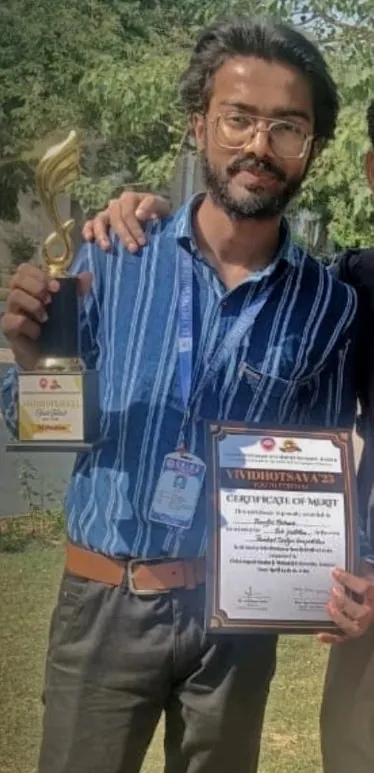
A hackathon is a time-boxed event, usually 24 to 48 hours, where teams choose a problem, build a working prototype and pitch it to judges. This tutorial walks through what happens, why hackathons matter for students and placements, what BCA students should know, which projects work, who organises them, and how to run one at your college. I am a BCA student who has won first prizes at Changethon 2025 at IIT Roorkee, Product Genesis at Vividhotsava 2025 and BYTEBATTLE by MeetKats, and mentored at more than ten hackathons.
What is a good hackathon tutorial for beginners?
Prepare before the event, scope tightly at the start, build one complete flow, and rehearse your pitch. Most first-time teams fail by planning too much and finishing too little.
A step-by-step plan:
- Before: form a team with complementary skills, set up laptops, Git and a starter template.
- Hour 1: choose a specific problem and one user; write a one-sentence pitch.
- First quarter: deploy a skeleton app end to end.
- Middle: build the core feature only; ask mentors early when stuck.
- Last quarter: freeze features, fix bugs, record a backup demo video.
- Pitch: problem, live demo, how it works, impact, next steps.
What is the purpose of a hackathon?
Hackathons exist to turn ideas into prototypes quickly, teach people to build under constraints, encourage collaboration across skills, and connect participants with mentors, companies and opportunities. For organisers, they generate ideas and find talent.
Also asked as: who organize hackathon
For students, the purpose is learning by doing: you learn a new framework, an API or deployment in a weekend because you need it. Companies use hackathons to promote their platforms and recruit. Governments, such as through Smart India Hackathon, use them to crowdsource solutions to real problems. The prize is the smallest part of the value; skills, network and a portfolio project last longer.
What is done in a hackathon?
Teams register, attend an opening session explaining themes and rules, then spend the event designing, coding and testing a solution, meeting mentors, attending optional workshops, submitting code and a demo before the deadline, and presenting to judges.
Also asked as: what is done in hackathon
Typical deliverables are a working prototype, a code repository, a short presentation and sometimes a demo video. Judges evaluate the problem, solution, technical execution, impact and presentation. Between building sessions there are meals, check-ins and sometimes fun activities. Some hackathons have multiple rounds, starting with idea submissions and ending with a final build event for shortlisted teams.
What should I expect at a hackathon?
Expect long hours, intense focus, things breaking at the worst moment, helpful mentors, free food, and many people building interesting projects. Expect your first plan to change, and expect to learn more in two days than in many weeks of normal study.
Also asked as: what to expect at a hackathon
Practical expectations: bring chargers, an extension cord, headphones and a water bottle; expect unstable Wi-Fi and have a mobile hotspot backup; plan sleep in shifts on 36-hour events; and expect judges to ask tough questions. Be friendly with other teams; many hackathon friendships turn into future collaborations. Go to learn first and win second, and you will enjoy it more.
Is a hackathon important for placements?
Yes, it helps significantly. Hackathons give you real projects to discuss in interviews, evidence of teamwork under pressure, and sometimes direct recruiter contact or interview offers. Wins and finalist positions stand out on resumes, especially for freshers.
Also asked as: is hackathon important for placement
In interviews, a hackathon project gives you a concrete story: the problem, your role, technical decisions, what broke and how you fixed it. Some companies run hiring hackathons that lead directly to offers. To maximise placement value, continue developing your best hackathon project afterwards, deploy it, document it and add measurable results. That turns a weekend prototype into a portfolio centrepiece.
What are hackathons like for BCA students?
BCA students participate on equal terms with engineering students at most hackathons; judges care about the working solution, not the degree. BCA coursework in programming, databases and web development is a good foundation for hackathon projects.
Also asked as: what is hackathon for bca students
My own path shows it: as a BCA student, I won first prizes at national and college hackathons against B.Tech teams. Tips for BCA students: master one web stack for fast building, learn to call AI model APIs, practise deploying quickly, and join with teammates who bring design or domain knowledge. Check eligibility rules, since a few events restrict streams, but most are open to all students.
What are the best hackathon projects for students?
The best projects solve a specific problem for a real user and show a working demo. In 2026, strong themes include AI assistants grounded in real documents, accessibility tools, agriculture and health support in local languages, education tools and community coordination platforms.
Also asked as: best project for hackathon for students
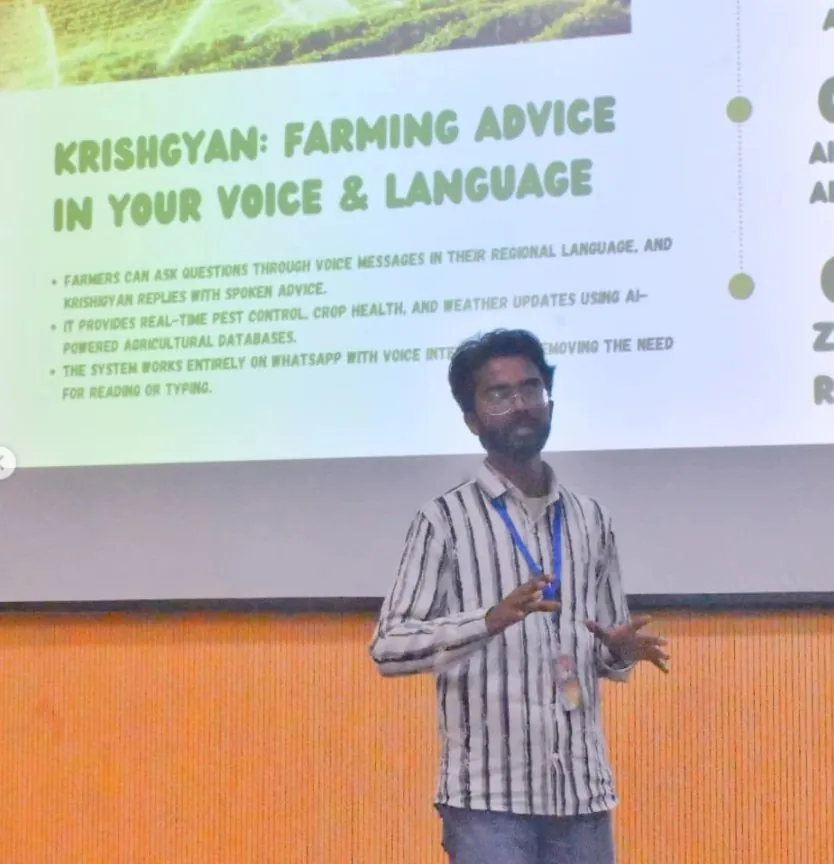
Ideas that have worked: a WhatsApp assistant giving farmers advice in their own voice and language, like KrishGyan; a surplus-food coordination app connecting donors and NGOs, like Annapurna; a RAG chatbot over college rules with citations; a document checker that validates forms; and a browser-based attendance system with liveness checks. Pick something you can demo end to end within the time limit.
Who organizes a hackathon?
Hackathons are organised by college clubs and tech fests, student communities, companies promoting platforms or hiring, startups, government bodies such as the ministries behind Smart India Hackathon, nonprofits, and student hackathon leagues such as Major League Hacking.
Platforms such as Devfolio, Unstop and Devpost host registrations, submissions and judging for many organisers. Company hackathons often offer prizes, credits and interviews; government ones focus on public problems; college ones build local communities. As a student, organising a hackathon is also a great leadership experience, teaching planning, sponsorship, logistics and teamwork.
How do I conduct a hackathon in college?
Form an organising team, get institutional approval and a venue, choose dates that avoid exams, define themes and rules, recruit mentors and judges, find sponsors for food and prizes, set up registration on a platform, and plan the schedule and logistics in detail.
Also asked as: how to conduct hackathon in college
Checklist:
- Clear eligibility, team size, rules on starter code and AI tools.
- Published judging criteria and an experienced judging panel.
- Reliable Wi-Fi, power, food, and safe overnight arrangements if needed.
- Mentors available throughout, especially for beginners.
- Workshops before the event to help first-timers.
- Certificates, feedback form and a showcase of projects afterwards.
How do I design a hackathon?
Start with the purpose: learning, recruitment, solving specific problems or community building. Then design themes, format, duration, judging and support around that purpose, keeping it inclusive for beginners while challenging for experienced teams.
Also asked as: how to design a hackathon
Design decisions: online or offline; 24 or 36 hours; open themes or specific problem statements from partners; beginner tracks; judging criteria weighted towards working demos; and mentor coverage. Plan engagement beyond building, such as workshops, mentor office hours and a demo fair. After the event, share results publicly and follow up with promising teams, so the hackathon creates lasting projects, not just a weekend.
Sources

GenAI engineer and AI product builder with 2+ years shipping production-grade AI systems: RAG pipelines, fine-tuned LLMs, hybrid retrieval and multi-modal apps across vision, speech and OCR, architected end to end from ingestion to deployment. Leads engineering for SCULT INDIA's 14-member team, founded the 500+ member TechVerse Enclave community and has mentored 200+ students. Three hackathon first prizes: Changethon 2025 (IIT Roorkee), Product Genesis at Vividhotsava 2025 (CSJMU) and BYTEBATTLE (MeetKats).
Open to GenAI roles, hackathon judging, mentorship sessions and guest talks at colleges. For campus sessions the inviting institution covers the visit end to end: travel (a First AC train ticket for journeys up to five hours, a flight for anything longer), accommodation, meals, and pickup and drop; the honorarium and workshop fees are negotiable on WhatsApp or on the call, and requests are welcome from institutions that can cover the visit this way. Email pranjulrathour41@gmail.com.