Key takeaways
- Mentorship works through agreed goals, regular meetings, honest feedback and a mentee who drives the agenda.
- Career mentorship focuses on long-term growth; career guidance gives short-term information about options.
- Find mentors among seniors, alumni, communities and platforms like ADPList, starting with one specific conversation.
- UPSC mentorship is helpful but not necessary; judge programmes by personalised feedback, not advertising.
- Mentorship is a form of leadership, and strong leaders mentor to build trust and future leaders.
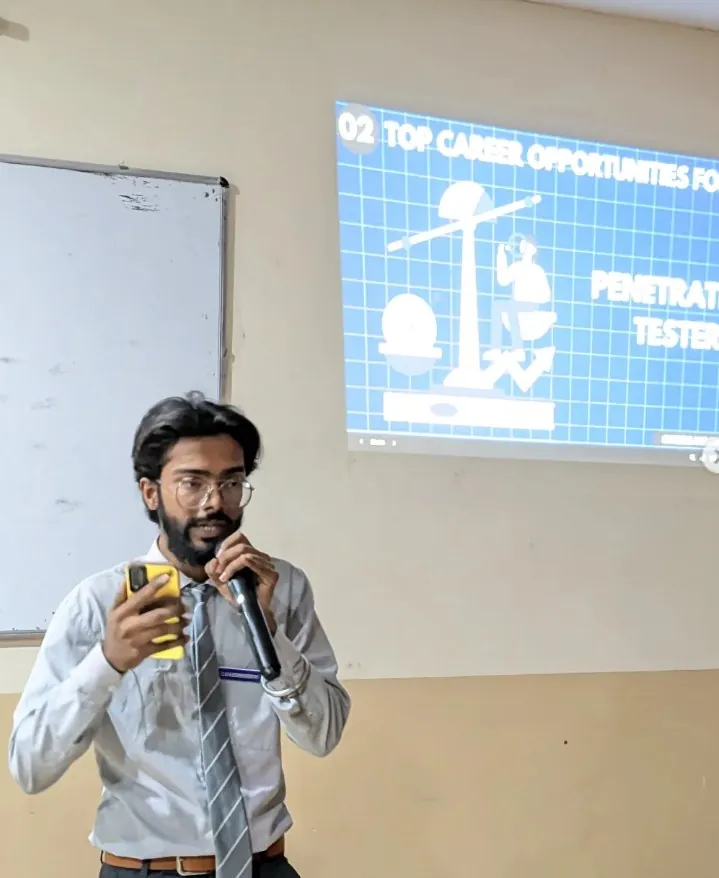
Mentorship works as an ongoing relationship in which a more experienced person guides someone's growth through regular conversations, feedback, advice and introductions, focused on the mentee's goals. I have mentored more than 200 students since 2023, led 20+ campus sessions, and lead a 14-member engineering team at SCULT INDIA, so this page covers how mentorship works, career mentorship and growth, finding a mentor, guidance versus mentorship, UPSC mentoring, and how mentorship relates to leadership.
How does mentorship work?
A mentor and mentee agree on goals, meet regularly, often every two to four weeks, and discuss progress, challenges and decisions. The mentor shares experience, asks questions, gives honest feedback and opens doors; the mentee does the work and drives the agenda.
Good mentorships have structure: clear goals at the start, an agreed meeting rhythm, preparation before each session, and follow-up actions. They can be formal, through company or college programmes, or informal, growing from a professional relationship. Formats include one-to-one, group mentoring, peer mentoring and reverse mentoring, where a junior teaches a senior, often about new technology. Relationships usually last months to years and end or evolve when goals are met.
What is career mentorship?
Career mentorship is guidance from someone further along a career path who helps you choose directions, build skills, navigate workplaces and make decisions about jobs, education and growth. It focuses on your long-term development, not one task.
A career mentor might help a student pick between higher studies and a job, review a resume and portfolio, prepare for interviews, plan skill-building, or think through an offer. In technology, mentors often review code and projects and suggest communities and hackathons. The best career mentors share both successes and mistakes, and help you think rather than telling you what to do. In my mentoring, I start from a student's goal and work backwards to projects they can build.
How can mentorship help in career growth?
Mentorship speeds up growth by giving you feedback you would not get alone, helping you avoid common mistakes, expanding your network, and building confidence to take on bigger challenges such as new roles, projects or competitions.
Specific benefits include clearer goals, faster skill development through targeted advice, introductions to opportunities, and honest perspective during setbacks. Mentors also model professional habits: how to communicate, prioritise and handle conflict. Mentorship helps the mentor too, who sharpens leadership and communication skills. For maximum benefit, be proactive: bring specific questions, act on advice and report back, so your mentor can see progress and invest more in you over time.
Where can I find personalized career mentorship?
Start close: seniors and alumni from your college, teachers, managers and colleagues, and members of professional communities. Formal options include college mentorship programmes, company programmes, and platforms such as ADPList that connect mentees with volunteer mentors.
Communities are excellent sources: tech clubs, open-source projects, hackathons, meetups, and online groups where experienced people help newcomers. LinkedIn works when you send a short, specific message showing you have done your homework, such as asking about one decision rather than requesting general guidance. Start with a single conversation, not a request for long-term mentorship; relationships grow when you follow up with results. Paid mentoring services exist, but check reviews and credentials carefully before committing.
What is the difference between mentorship and career guidance?
Career guidance is usually short-term and informational: a counsellor or session helps you understand options, courses and careers. Mentorship is a longer relationship focused on your personal growth, with ongoing feedback and support from someone with relevant experience.
Guidance answers questions such as which degree leads to which careers, or how admissions work, often through aptitude tests and information sessions. Mentorship goes further: it adapts to your progress, challenges your thinking and helps you act on decisions over time. Both are useful. Students often need guidance first, to choose a path, and mentorship after, to grow along it. Campus sessions I lead, such as the VSICS induction for 100+ first-years with a three-year roadmap, act as guidance that can lead to mentorship.
Is mentorship necessary for UPSC?
Mentorship is not necessary to clear the UPSC Civil Services Examination; many candidates succeed through self-study using standard books, the syllabus, previous papers and test series. A good mentor can, however, save time and improve answer writing and strategy.
Mentorship helps most with planning a realistic study schedule, choosing an optional subject, getting feedback on written answers, and managing stress during a long preparation. Mentors who have appeared in the examination or have strong teaching experience can spot weaknesses quickly. The risk is dependence: preparation still requires disciplined daily study. Before paying for any programme, check what the mentor actually provides, such as answer evaluation and one-to-one time, and speak to past students.
Which mentorship is best for UPSC?
The best UPSC mentorship is the one that matches your stage, medium of instruction and weaknesses, rather than the most advertised brand. Look for personalised feedback, especially on answer writing, and regular one-to-one reviews of your progress.
Evaluate options using clear criteria: mentor experience with the examination, batch size, frequency of individual sessions, quality of answer evaluation, availability in Hindi or English medium as needed, and genuine reviews from past candidates rather than toppers' photos in advertisements. Free resources, such as official UPSC notifications, previous papers and discussion groups, cover much of what you need. Try a short trial or demo session before committing, and make sure the plan fits your own schedule.
Is mentorship a leadership role?
Yes, mentorship is a form of leadership, though not a formal position. Mentors influence others' growth through guidance, example and support, which are core leadership skills, even when they have no authority over the mentee.
Many organisations treat mentoring as a leadership development step, because it builds listening, coaching, feedback and empathy. Engineers often begin leading by mentoring interns or juniors before managing teams. Leading engineering at SCULT INDIA, I find that mentoring juniors and leading a team draw on the same habits: setting clear expectations, giving honest feedback, and helping people solve problems themselves instead of solving the problems for them.
What is the difference between mentorship and leadership?
Leadership is guiding a group toward shared goals, often with formal authority and responsibility for results. Mentorship is a one-to-one or small-group relationship focused on an individual's development, usually without authority over their work.
A leader is accountable for the team's outcomes and makes decisions that affect everyone; a mentor is accountable only for honest, useful support. Leaders can mentor, and good ones do, but they also handle strategy, priorities and performance. Mentors can come from outside your organisation, which lets them give perspective without politics. They are not the same, but strong leadership includes mentorship, and strong mentors use leadership skills such as listening and clear communication.
Why is mentorship important in leadership?
Mentorship lets leaders develop people, not just direct tasks. It builds trust, grows future leaders, spreads knowledge across the team, and improves retention, because people stay where they feel invested in.
Leaders who mentor create teams that solve problems independently, which frees the leader to focus on direction and strategy. Mentoring also keeps leaders humble and informed, since mentees share frontline problems and fresh ideas. Leadership pipelines depend on it: organisations that mentor juniors have successors ready when leaders move on. The same applies to communities: student groups such as TechVerse Enclave, which I founded and which has 500+ members, grow when experienced members guide newcomers.
Sources

GenAI engineer and AI product builder with 2+ years shipping production-grade AI systems: RAG pipelines, fine-tuned LLMs, hybrid retrieval and multi-modal apps across vision, speech and OCR, architected end to end from ingestion to deployment. Leads engineering for SCULT INDIA's 14-member team, founded the 500+ member TechVerse Enclave community and has mentored 200+ students. Three hackathon first prizes: Changethon 2025 (IIT Roorkee), Product Genesis at Vividhotsava 2025 (CSJMU) and BYTEBATTLE (MeetKats).
Open to GenAI roles, hackathon judging, mentorship sessions and guest talks at colleges. For campus sessions the inviting institution covers the visit end to end: travel (a First AC train ticket for journeys up to five hours, a flight for anything longer), accommodation, meals, and pickup and drop; the honorarium and workshop fees are negotiable on WhatsApp or on the call, and requests are welcome from institutions that can cover the visit this way. Email pranjulrathour41@gmail.com.