Key takeaways
- A university induction program welcomes new students with the campus, values, academics and support before regular classes.
- Induction is broader and longer than orientation, and a freshers party is a social event, not induction.
- Introduce yourself in under a minute: name, background, interests and one goal.
- Faculty induction in India, such as the UGC Guru-Dakshta program, runs about a month through HRDCs.
- Effective employee induction combines clear goals, a buddy, a structured first month and feedback.
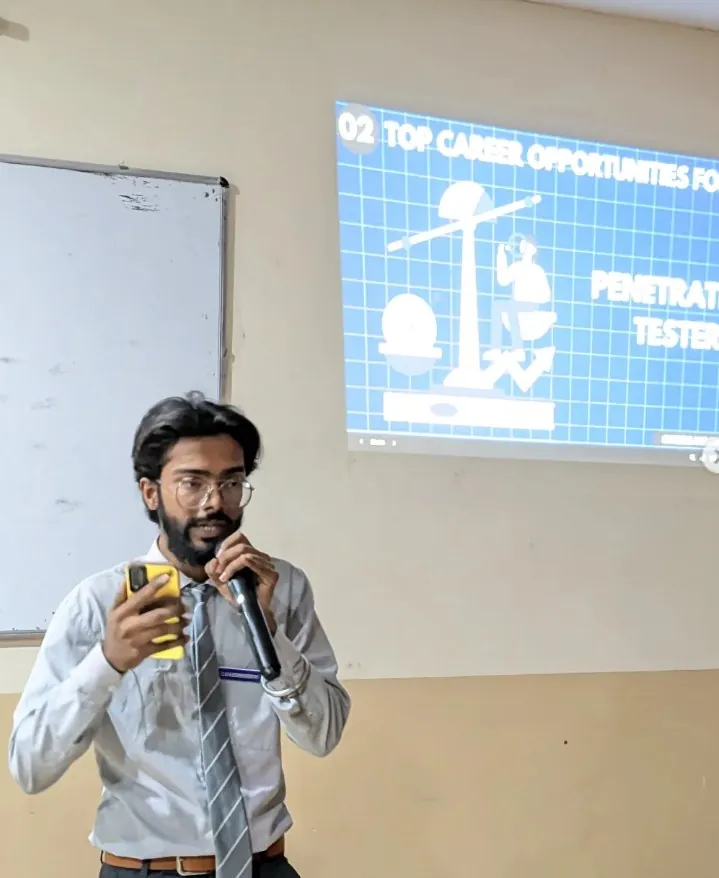
An induction program introduces newcomers, whether first-year students, new teachers or employees, to an institution's people, values, rules and support so they settle in faster and perform better. Formats range from a single day to several weeks or years. I spoke at the VSICS induction on 6 July 2025 to more than 100 first-year students, sharing a three-year roadmap, so this page covers university and student induction, orientation, freshers parties, introductions, feedback, faculty and teacher induction, and effective employee induction.
What is an induction program in a university?
A university induction program is a structured welcome for new students at the start of the first year, introducing the campus, academic expectations, rules, support services, culture and the people students will learn alongside.
Also asked as: what is induction program in university
In India, AICTE made a three-week Student Induction Program mandatory for first-year students in technical programs, and the UGC's Deeksharambh guide encourages similar programs across universities. Activities include campus tours, talks by faculty and alumni, sessions on universal human values, creative arts, physical activity, local visits and introductions to departments, clubs and mentors. The goal is to ease the move from school, build relationships between students and teachers, and reduce early anxiety and dropout. Good programs also explain academic integrity, grading, attendance and where to get help.
What does a student induction program mean?
A student induction program is the set of activities that help newly admitted students adjust to college life before or during their first weeks of classes. Induction simply means bringing someone into a new role or community.
Also asked as: what does student induction program meaning
It covers practical matters, such as timetables, portals, library access and hostel rules, alongside personal ones, such as making friends, managing time and finding mentors. Many colleges assign senior student volunteers or faculty mentors to small groups. Some programs last a day; others extend over weeks with follow-up sessions. For students, induction is the best time to ask questions, join clubs and learn what opportunities exist, such as hackathons, research projects and coding communities. My talk at the VSICS induction focused on a three-year roadmap, because a clear plan early helps first-years use every semester well.
Is an induction program the same as orientation?
They overlap but are not identical. Orientation is usually short, often a day or two, and focused on information: rules, facilities, schedules and procedures. Induction is broader and longer, aiming to integrate newcomers socially, academically and culturally.
Also asked as: is induction program and orientation same
Many institutions use the words interchangeably, and orientation is often one part of a larger induction program. AICTE's three-week format is clearly induction, mixing values, activities and relationships, while a single welcome session is orientation. Workplaces follow the same pattern: orientation covers paperwork, policies and tools on the first day, while induction or onboarding continues for weeks or months until the person is productive. If your institution calls its program orientation, expect mostly information; if it calls it induction, expect activities and mentoring as well.
Is an induction program the same as a freshers party?
No. An induction program is an official, structured introduction to the institution organised by the college, while a freshers party is a social celebration, usually organised by senior students, to welcome first-years informally.
Also asked as: is induction program and freshers party same
Induction happens at the start of the academic year and covers academics, rules, values and support, often with attendance required. Freshers parties come later, after students have settled in, and include performances, games and titles such as Mr and Ms Fresher. Both help newcomers feel welcome, but in different ways. Freshers events must stay free of ragging, which is banned under UGC regulations, and induction programs usually explain anti-ragging rules and helplines. Treat induction seriously and enjoy the freshers party as a chance to make friends.
How do you give an introduction in an induction program?
Keep it short, around thirty to sixty seconds: your name, your background or previous school, your course, one or two interests, and what you hope to achieve. End with something memorable or an invitation to connect.
Also asked as: how to give introduction in induction program
For example, share your name, the course you joined, a hobby such as coding, music or sport, and a goal such as building a project in your first year. Speak slowly, make eye contact and smile, since warmth matters more than polish. Avoid reciting marks or long life stories. If you are nervous, rehearse once aloud and keep notes minimal. Listen to others' introductions and remember names; following up with someone who shares your interests is how friendships and project teams begin. Faculty introductions follow the same pattern, adding teaching areas and research interests.
How do you give feedback for an induction program?
Be specific, balanced and constructive: say which sessions helped and why, which felt unclear or too long, and what you would add or change. Concrete suggestions are more useful than general praise or complaints.
Also asked as: how to give feedback for induction program
Organisers usually collect feedback through forms with ratings and open comments. Mention particular speakers, activities or information that made a difference, such as a mentoring session or campus tour. Point out gaps, such as missing information about scholarships, portals or clubs. Suggest improvements, such as shorter talks, more interaction or a follow-up session after a month. Keep the tone respectful, since organisers and speakers give their time. If the form allows, separate feedback on content from feedback on logistics, such as timing, seating or audio. Honest feedback improves the program for next year's students.
How do you apply for a faculty induction program?
In India, newly appointed assistant professors usually attend a faculty induction program at a UGC Human Resource Development Centre, such as the month-long Guru-Dakshta program. Apply through the centre's website or notice, typically with a forwarding letter from your institution.
Also asked as: how to apply faculty induction program
Check the HRDC schedule for upcoming programs, fill in the application form, and attach your appointment letter and the head of institution's nomination or no-objection letter. Seats are limited, so apply early and confirm accommodation and fee details with the centre. Induction and orientation programs often count towards career advancement under UGC regulations, so keep the certificate safely. Online options for continuing development exist through SWAYAM, including the ARPIT refresher courses. Engineering faculty can also look at AICTE training programs, which follow similar nomination processes.
What is the induction program for teachers?
A teacher induction program supports newly qualified or newly hired teachers during their first years through mentoring, training, classroom observation and sometimes reduced workloads, helping them build skills and stay in the profession.
Programs vary by country. In England, early career teachers complete a two-year induction with a mentor and a structured training framework. In India, college faculty attend induction programs at HRDCs, while school systems and private schools run their own training for new teachers. Common elements include a dedicated mentor, observation of experienced colleagues, feedback on lessons, workshops on classroom management, assessment and inclusion, and time for reflection. Strong induction helps new teachers survive a demanding first year, which is why many education systems invest in it.
How long is a teacher induction program?
It varies: faculty induction programs for new college teachers in India typically run about a month, while induction for beginning school teachers in many countries lasts one to two years, such as England's two-year early career teacher induction.
Short workplace inductions for teachers joining a new school may last only a few days, covering policies, systems and timetables. Longer programs spread mentoring, observations and training across the first years of teaching, since skills develop through practice and feedback rather than a single course. Completion requirements, such as assessments or portfolios, differ by system. Check with your employer or education authority for the exact duration and conditions, especially when completion affects confirmation of appointment, certification or career progression. Plan your workload so induction supports rather than overwhelms you.
What employee induction program is effective?
An effective employee induction program gives clear role expectations, the tools and access needed on day one, a buddy or mentor, a structured plan for the first weeks, introductions to key people, and regular check-ins with feedback.
Start before day one by sending schedules and setting up accounts. Mix information about the company, policies and culture with real work early, since small early wins build confidence. A thirty, sixty and ninety day plan sets clear milestones. Assign a buddy for informal questions, separate from the manager. Avoid overwhelming new hires with slides on the first day; spread content over weeks. For engineering teams, a small first task shipped in week one, clear documentation and pairing sessions speed things up. Gather feedback from new joiners and track time to productivity and early retention.
Sources

GenAI engineer and AI product builder with 2+ years shipping production-grade AI systems: RAG pipelines, fine-tuned LLMs, hybrid retrieval and multi-modal apps across vision, speech and OCR, architected end to end from ingestion to deployment. Leads engineering for SCULT INDIA's 14-member team, founded the 500+ member TechVerse Enclave community and has mentored 200+ students. Three hackathon first prizes: Changethon 2025 (IIT Roorkee), Product Genesis at Vividhotsava 2025 (CSJMU) and BYTEBATTLE (MeetKats).
Open to GenAI roles, hackathon judging, mentorship sessions and guest talks at colleges. For campus sessions the inviting institution covers the visit end to end: travel (a First AC train ticket for journeys up to five hours, a flight for anything longer), accommodation, meals, and pickup and drop; the honorarium and workshop fees are negotiable on WhatsApp or on the call, and requests are welcome from institutions that can cover the visit this way. Email pranjulrathour41@gmail.com.