Key takeaways
- Induction training introduces new employees or students to the organisation, its people, rules, tools and expectations.
- It usually covers policies, safety, systems access, team introductions, role basics and a first-weeks plan.
- Good inductions reduce early confusion and drop-outs and help people contribute sooner.
- In most jobs it is part of paid working time; length ranges from a day to several weeks.
- Induction is a one-time welcome and setup; training is ongoing skill-building; orientation is usually the first-day overview.
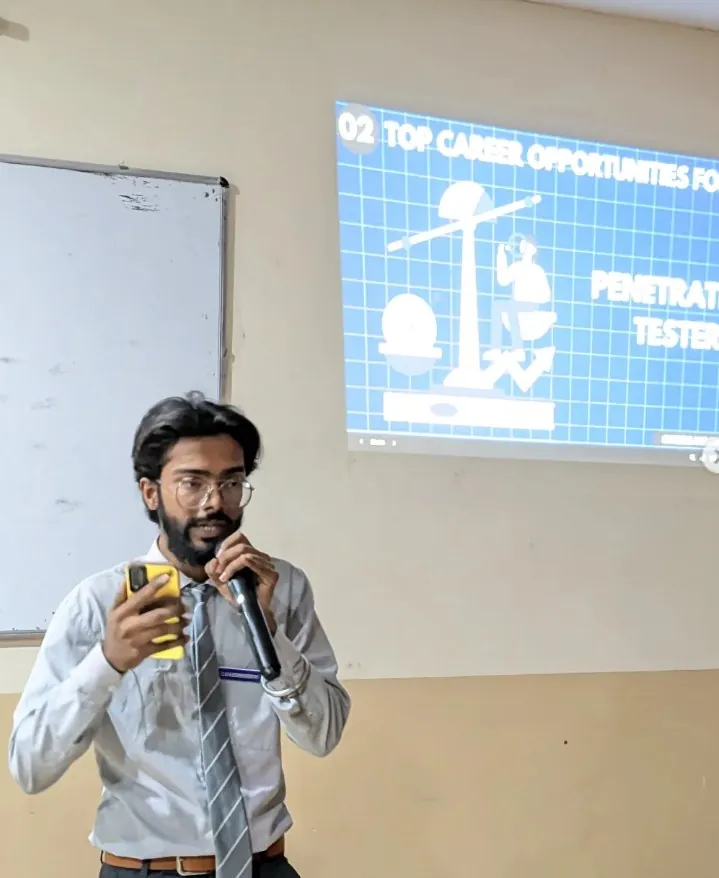
Induction training is the structured introduction a new employee, or a new student, receives when they join an organisation: who is who, how things work, the rules, tools and safety requirements, and what is expected in the first weeks. It turns a confusing first week into a clear start. In colleges, induction programmes for first-years serve the same purpose; I spoke to 100+ first-year students at the VSICS induction seminar in July 2025 about a three-year roadmap. This page explains the meaning, how induction works, what it includes, why it matters, length, pay, and how it differs from training and orientation.
What is induction training?
Induction training is the process of welcoming new joiners and preparing them to work or study effectively: introducing the organisation's purpose, people, policies, systems and their role, usually in the first days or weeks.
Also asked as: what are induction training
In companies, it covers things like company values, HR policies, health and safety, IT access, team introductions and role-specific basics. In colleges, induction programmes introduce students to the campus, academic rules, clubs, mentors and support services, and often include sessions on study skills and careers. Whether for staff or students, the goal is the same: help newcomers feel welcome, understand how things work, and start contributing confidently.
What does induction training mean?
Induction training means formally inducting, bringing in, a new person into an organisation through planned sessions and activities, rather than leaving them to figure things out alone.
The word "induction" here means introduction or admission into a group. In business, it is often part of a broader onboarding process that can last months, while the induction itself covers the first days or weeks. In education, India's technical institutions run student induction programmes for first-year students, with activities on values, wellness, campus familiarisation and interaction with seniors and faculty. The meaning is consistent: a deliberate start.
How does induction training work?
Induction usually follows a schedule: a welcome session, policy and safety briefings, setting up systems and accounts, meeting the team, an overview of the role and first tasks, and check-ins over the following weeks with a manager or buddy.
A typical structure in a company:
- Day 1: welcome, paperwork, IT setup, office or remote tour, meeting the manager.
- Week 1: policies, compliance and safety; product or service overview; team introductions; first small tasks.
- Weeks 2 to 4: role training, shadowing colleagues, a buddy for questions.
- First months: regular check-ins and feedback.
For tech teams, a good induction includes a working development environment by the end of day one and a small real task shipped in the first week.
What does induction training include?
Induction training typically includes an introduction to the organisation, policies and code of conduct, health and safety, IT systems and security, team and stakeholder introductions, role expectations, tools and processes, and a plan for the first weeks.
Common components:
- Organisation history, mission and structure.
- HR policies: leave, working hours, benefits, conduct.
- Health, safety and emergency procedures.
- Data protection and information security basics.
- Role overview, goals and how performance is reviewed.
- Tools, workflows and where to find documentation.
- A buddy or mentor and a schedule of check-ins.
For students, add academic rules, examination patterns, campus facilities, clubs, mentoring and wellbeing support.
Why is induction training important?
Induction matters because first impressions shape how quickly people settle and whether they stay. A good induction reduces confusion and mistakes, helps people contribute sooner, ensures safety and compliance, and makes newcomers feel they belong.
Also asked as: why induction training is important
Poor inductions lead to repeated questions, errors, frustration and early departures. For organisations, structured induction means fewer interruptions for teams and consistent understanding of policies. For students, a strong college induction helps them choose clubs, find mentors and plan early, which is why the roadmap I share with first-years starts in the induction itself: foundations and AI tools first, then hackathons and internships, then placements or a startup.
How long is induction training?
It ranges from a single day to several weeks, depending on the organisation, role and industry. Many companies run a one to five-day induction, followed by a longer onboarding period of one to three months.
Roles with complex systems, safety requirements or regulations, such as manufacturing, healthcare or banking, usually have longer inductions. College induction programmes for first-year students can run for a few days to around three weeks. Spreading information over time works better than cramming everything into one day: people remember more when they learn things as they need them.
Is induction training paid?
In most jobs, yes: induction is part of employment, so it happens during paid working time. Employees should be paid for time spent in mandatory induction and training sessions.
Check your offer letter and employment terms, and local labour rules, if you are unsure. Unpaid "induction" before an offer, or charging candidates fees for induction or training, are red flags, especially in job scams. Internships may have stipends rather than salaries, and their terms should state how induction time is treated. For students, college induction programmes are part of the academic programme.
Is induction training on the job?
Partly. Some induction happens in sessions or online modules away from daily work, such as policy briefings and safety training, and some happens on the job: shadowing colleagues, setting up tools and completing first tasks with support.
The most effective inductions combine both: a short structured programme for essentials, then guided on-the-job learning with a buddy. For software teams, on-the-job induction might mean pairing on a small bug fix in the first week, reviewing the codebase with a senior engineer, and attending team rituals such as stand-ups and reviews from day one.
What is the difference between induction and training?
Induction is a one-time introduction for newcomers, covering the organisation, policies, people and basics of the role. Training is ongoing development of specific skills, which can happen at any point in someone's time with the organisation.
Induction answers "how does this place work and what do I do first?"; training answers "how do I get better at this skill?". Induction often includes some initial training, such as on tools or safety, but its purpose is integration. In human resource management, induction is part of onboarding, while training and development continue throughout a career.
What is the difference between induction training and orientation?
Orientation is usually the first, shorter part: a general overview on the first day or two, covering the organisation, facilities, key policies and paperwork. Induction training is broader, including orientation plus role-specific introduction and support over a longer period.
Some organisations use the terms interchangeably. In colleges, "orientation" often means the welcome days for new students, while an "induction programme" may run longer with activities on values, wellness, skills and mentoring. Whichever term is used, newcomers benefit most when the programme is practical, interactive and connected to real next steps.
Sources

GenAI engineer and AI product builder with 2+ years shipping production-grade AI systems: RAG pipelines, fine-tuned LLMs, hybrid retrieval and multi-modal apps across vision, speech and OCR, architected end to end from ingestion to deployment. Leads engineering for SCULT INDIA's 14-member team, founded the 500+ member TechVerse Enclave community and has mentored 200+ students. Three hackathon first prizes: Changethon 2025 (IIT Roorkee), Product Genesis at Vividhotsava 2025 (CSJMU) and BYTEBATTLE (MeetKats).
Open to GenAI roles, hackathon judging, mentorship sessions and guest talks at colleges. For campus sessions the inviting institution covers the visit end to end: travel (a First AC train ticket for journeys up to five hours, a flight for anything longer), accommodation, meals, and pickup and drop; the honorarium and workshop fees are negotiable on WhatsApp or on the call, and requests are welcome from institutions that can cover the visit this way. Email pranjulrathour41@gmail.com.