Key takeaways
- A mentorship session is a structured conversation that reviews progress and agrees next steps.
- Set two or three SMART mentorship goals and review them regularly.
- Mentorship builds self-awareness, confidence and accountability for both mentee and mentor.
- Training teaches defined skills, mentorship guides long-term growth, and nursing preceptorship supervises clinical practice.
- Show mentoring on your CV and LinkedIn under leadership or volunteering, with specific, verifiable impact.
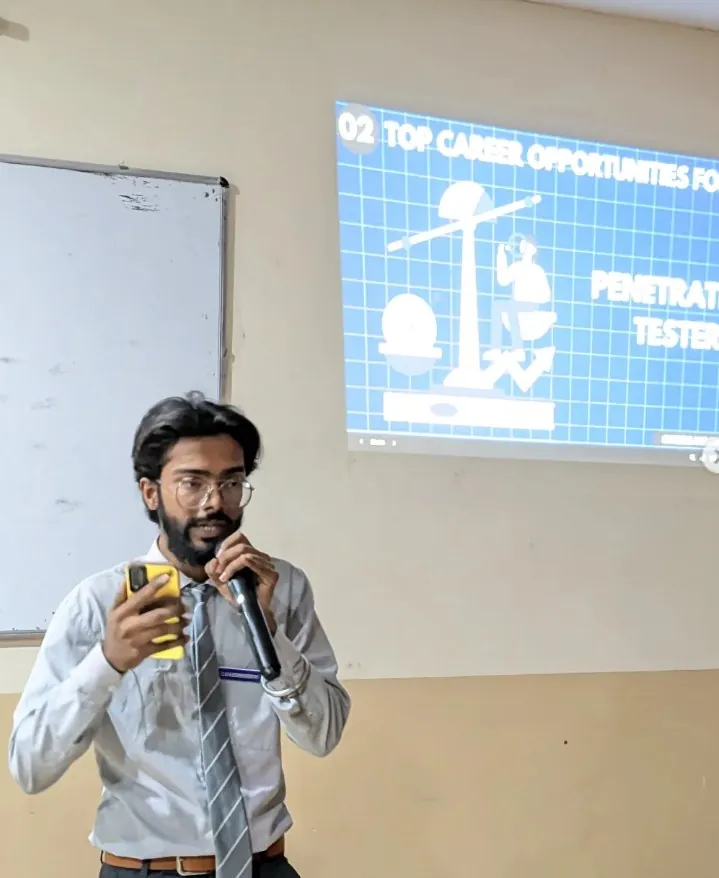
Mentorship is a relationship in which an experienced person supports someone's growth through regular sessions, goals, feedback and encouragement. I have mentored more than 200 students since 2023 and led 20+ campus sessions, so this page covers what a mentorship session is, mentorship goals with examples, personal development, mentorship training and how it differs from training, mentorship and volunteerism, nursing mentorship and preceptorship, and how to show mentorship on your CV and LinkedIn.
What is a mentorship session?
A mentorship session is a scheduled conversation, often 30 to 60 minutes, where a mentee discusses progress, challenges and decisions with a mentor, who asks questions, shares experience and helps agree next steps.
Also asked as: what is mentorship session
A good structure: a quick update on actions from last time, the main topic the mentee brings, discussion and advice, and two or three clear next steps with a date for the next session. Mentees should prepare questions in advance; mentors should listen more than they talk. Sessions can be one-to-one or in small groups, in person or online. Coaching institutes also use the term for doubt-clearing and strategy sessions with students preparing for exams.
What are mentorship goals?
Mentorship goals are specific outcomes the mentee wants to achieve through the relationship, such as learning a skill, preparing for a role, building a portfolio or improving confidence. Clear goals give sessions direction and make progress measurable.
Set goals together at the start, using a format like SMART: specific, measurable, achievable, relevant and time-bound. Limit them to two or three per period, review them every few sessions, and adjust as circumstances change. Mentors may have goals too, such as practising leadership or understanding new perspectives. Writing goals down and sharing a simple tracker keeps both people accountable and turns conversations into progress rather than pleasant but aimless chats.
What are examples of mentorship goals?
Examples: build and deploy two portfolio projects in three months; prepare for and complete five mock interviews; learn React well enough to ship a feature; publish four technical blog posts; or speak at one college event this semester.
Other examples include improving time management with a weekly planning habit, getting an internship by a target date, contributing a merged pull request to an open-source project, preparing a career switch plan, or building a professional network by attending two meetups a month. Good goals are concrete enough that both mentor and mentee know when they are achieved. The three-year roadmap I shared with first-years at the VSICS induction broke big ambitions into goals like these.
How does mentorship help in personal development?
Mentorship builds self-awareness, confidence and habits. Honest feedback reveals blind spots, a mentor's belief encourages you to attempt harder things, and regular check-ins build accountability that turns intentions into consistent action.
Also asked as: how mentorship helps in personal development
Mentees also learn by observing how mentors handle setbacks, make decisions and treat people. Discussions about values, priorities and balance shape character as well as careers. Mentors develop too: explaining ideas clarifies their own thinking, and supporting others builds patience and leadership. Personal development through mentorship is gradual, so measure it over months, through decisions made, fears faced and skills practised, rather than expecting quick transformation from one conversation.
What is mentorship training?
Mentorship training prepares mentors, and sometimes mentees, to make the relationship work. It covers active listening, asking good questions, giving feedback, setting goals, maintaining boundaries and confidentiality, and handling difficult conversations.
Organisations often run short workshops before launching mentoring programmes, with role plays, guides and first-session agendas. Mentee training teaches people how to prepare, ask for help and act on feedback. Training is especially important in programmes involving minors or vulnerable groups, where safeguarding rules apply. Even informal mentors benefit from learning a few frameworks, such as GROW for structuring conversations: goal, reality, options and way forward. Short refresher sessions mid-programme help mentors share what is working.
What is the difference between mentorship and training?
Training teaches specific skills or knowledge to a group through a structured curriculum, with defined content and duration. Mentorship is a personal, longer relationship focused on an individual's overall growth, adapting to their goals and challenges.
Training answers how to do a task, such as using a tool or following a process; mentorship helps with judgement, career choices and confidence, which a course cannot provide. Training is usually measured by completion and assessments; mentorship by progress toward personal goals. They work best together: a developer completes training on a new framework, then a mentor helps apply it to real projects, review code and decide which skills to build next.
What is mentorship and volunteerism?
Mentorship and volunteerism together describe giving time freely to guide others, such as mentoring students in schools, youth programmes, community groups or online platforms, without payment. Many mentoring programmes rely on volunteer mentors.
Volunteer mentoring benefits mentees through guidance they might not otherwise access, especially first-generation students and underrepresented groups. Volunteers gain leadership experience, empathy and a sense of purpose, and many companies support employee volunteering. Student communities, such as TechVerse Enclave, which I founded, are natural places to volunteer as a mentor. If you want to start, join a structured programme with training and clear expectations, or offer help in student communities you already belong to.
What is the difference between mentorship and preceptorship in nursing?
In nursing, preceptorship is a structured, time-limited period where an experienced nurse supervises a new nurse or student in clinical practice, assessing competence. Mentorship is a longer, broader relationship supporting professional growth, career decisions and wellbeing.
A preceptor works alongside the new nurse on shifts, teaching procedures, checking skills and signing off competencies, typically for weeks to months during the transition into practice. A mentor may work elsewhere, meets less often, and focuses on development, confidence and career paths rather than direct supervision. Both reduce stress and turnover among new nurses. Terminology and requirements vary between countries and nursing councils, so check your local regulator's guidance for formal definitions.
Where should you put mentorship on a CV?
Put mentoring others under Leadership, Volunteering or Experience, depending on its scale and formality. Being mentored is usually not listed, but a selective mentorship programme you were accepted into can go under Achievements or Education.
Also asked as: where to put mentorship on cv
Describe impact, not just the role: for example, mentored more than 200 students since 2023 on projects and careers, or led 20+ campus sessions. Mention the programme or organisation, duration and outcomes, such as students placed in internships, if you can verify them. For teaching or leadership roles, mentoring experience can be a highlight near the top. Keep entries short, specific and honest, and be ready to discuss a concrete mentoring story in interviews.
Where should you put mentorship on LinkedIn?
Add formal mentoring roles under Experience or Volunteer experience, with the organisation, dates and a short description of impact. Mention mentoring in your About section and headline if it is central to your professional identity.
Also asked as: where to put mentorship on linkedin
You can also list mentoring under Skills, request recommendations from mentees or programme organisers, and share posts about what you learned from mentoring, which builds credibility. If you are open to mentoring, say so in your About section, and use LinkedIn's services or open-to settings where appropriate. Keep claims accurate and specific, such as the number of students or sessions, since mentees and colleagues may read and verify them.
Sources

GenAI engineer and AI product builder with 2+ years shipping production-grade AI systems: RAG pipelines, fine-tuned LLMs, hybrid retrieval and multi-modal apps across vision, speech and OCR, architected end to end from ingestion to deployment. Leads engineering for SCULT INDIA's 14-member team, founded the 500+ member TechVerse Enclave community and has mentored 200+ students. Three hackathon first prizes: Changethon 2025 (IIT Roorkee), Product Genesis at Vividhotsava 2025 (CSJMU) and BYTEBATTLE (MeetKats).
Open to GenAI roles, hackathon judging, mentorship sessions and guest talks at colleges. For campus sessions the inviting institution covers the visit end to end: travel (a First AC train ticket for journeys up to five hours, a flight for anything longer), accommodation, meals, and pickup and drop; the honorarium and workshop fees are negotiable on WhatsApp or on the call, and requests are welcome from institutions that can cover the visit this way. Email pranjulrathour41@gmail.com.