Key takeaways
- Mentorship comes in one-to-one, group, peer, reverse, virtual and situational forms.
- Advisors give expert advice on decisions; mentors invest in your long-term growth; sponsors use influence to advance you.
- Internships and apprenticeships are work arrangements; mentorship is the guidance relationship that makes them valuable.
- A good mentorship plan has goals, a meeting rhythm, milestones and a review.
- Communities with open mentorship widen who gets into engineering and who stays.
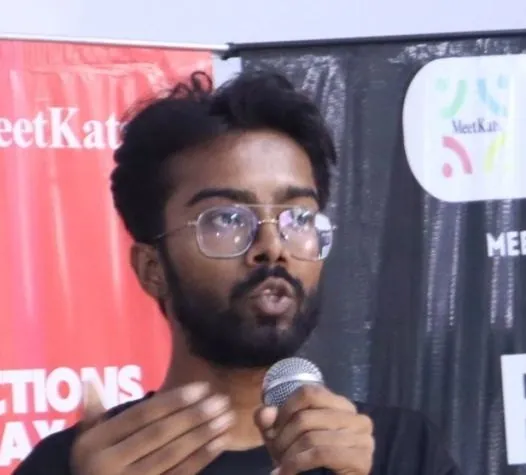
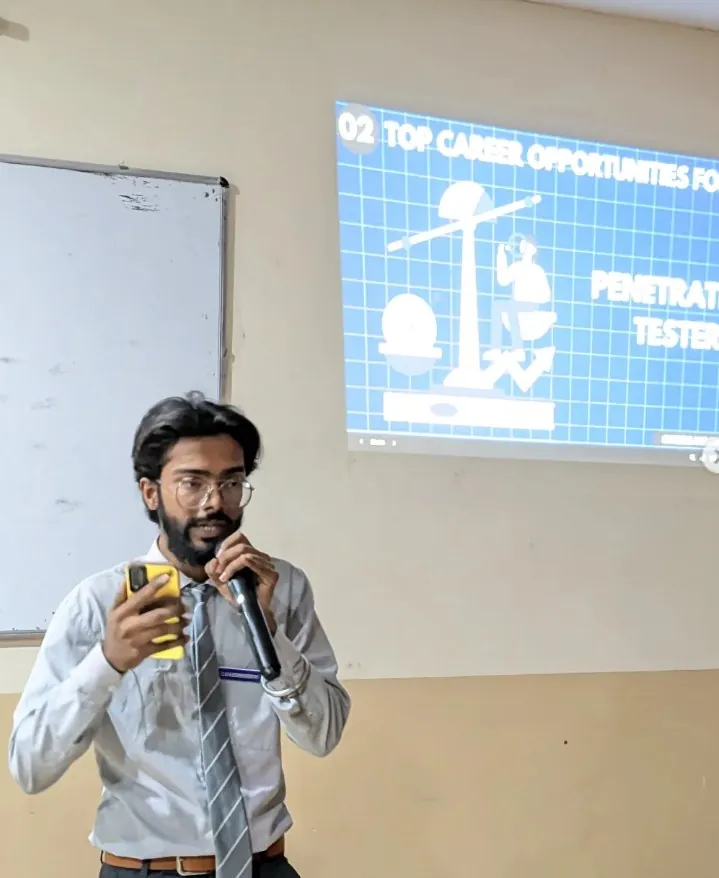
Mentorship comes in several forms, one-to-one, group, peer, reverse, virtual and situational, and it is easily confused with advising, sponsorship, supervision, internships and apprenticeships, which overlap but serve different purposes. Knowing the difference helps you ask for the right kind of help. I have mentored more than 200 students since 2023 and built TechVerse Enclave, a student community of over 500 members, so this page covers the types of mentorship, how it compares with related roles, a sample plan, startup mentorship and its wider impact.
What are the different types of mentorship?
The main types are one-to-one mentoring, group mentoring with one mentor and several mentees, peer mentoring between people at similar stages, reverse mentoring where juniors teach seniors, virtual or e-mentoring online, and situational mentoring focused on a specific short-term need.
Other forms include formal programme-based mentoring with structured matching, informal mentoring that grows naturally, and team mentoring with several mentors for one group. Each fits different needs: peer mentoring suits first-year students adjusting to college; reverse mentoring helps senior leaders learn new tools like AI; situational mentoring helps before a specific event, such as an interview or hackathon pitch.
What is the difference between a mentor and an advisor?
An advisor gives expert advice on specific decisions or problems, often within a formal role, such as an academic advisor choosing courses or a startup advisor guiding strategy. A mentor invests in your overall long-term development, beyond any single decision.
Also asked as: mentor vs advisor
Advisors are often consulted as needed and may be paid or formally appointed; mentors usually build an ongoing relationship based on trust and shared goals. An advisor might say what to do about your fundraising terms; a mentor helps you grow into a founder who handles such decisions. Many people need both, and one person can play both roles at different times.
What is the difference between mentorship and sponsorship?
A mentor talks with you, sharing advice and feedback. A sponsor talks about you, using their influence to recommend you for opportunities, promotions and projects when you are not in the room.
Also asked as: mentorship vs sponsorship
Sponsorship requires the sponsor to trust your work, since their reputation is at stake. Research on careers, especially for women and underrepresented groups, shows that mentoring without sponsorship often fails to translate into advancement. To move from mentorship to sponsorship, deliver strong results, make your goals clear, and give your mentor evidence they can share. Good mentors become sponsors when they see consistent excellence.
What is the difference between mentorship and an internship?
An internship is a temporary work arrangement where you gain experience at an organisation, usually with defined tasks and sometimes a stipend. Mentorship is a guidance relationship. Good internships include mentorship, but they are not the same thing.
Also asked as: mentorship vs internship
During an internship, your mentor or buddy helps you learn the codebase, understand the culture and grow; your manager assigns and evaluates work. Mentorship can exist without any job, through communities, alumni or professionals you contact. To get the most from an internship, ask early who your mentor is, set learning goals, and request regular feedback.
What is the difference between mentorship and an apprenticeship?
An apprenticeship is a structured training arrangement where you learn a trade or profession by working under skilled practitioners, often combined with formal instruction and leading to a recognised qualification. Mentorship is the guidance relationship within or outside such programmes.
Also asked as: mentorship vs apprenticeship
Apprenticeships are formal, time-bound and usually paid, with defined skills to master, common in trades and increasingly in technology. Mentorship is more flexible, covering career direction, confidence and networks, not only skills. An apprentice typically has a mentor, but mentorship does not require an apprenticeship. India's apprenticeship schemes and many companies' tech apprenticeship programmes combine both.
What is the difference between mentorship and supervision?
A supervisor manages your work: assigning tasks, setting standards, evaluating performance and holding authority over your role. A mentor supports your development without formal authority, offering guidance in a confidential, often voluntary relationship.
Also asked as: mentorship vs supervision
Because supervisors evaluate you, you may hesitate to share struggles with them; mentors outside your reporting line provide a safer space. In research, a supervisor guides a thesis, while a mentor might advise on careers and wellbeing. In healthcare and social work, "clinical supervision" has a specific professional meaning. Ideally you have both: a supportive supervisor and mentors who broaden your perspective.
What does an example mentorship plan look like?
A simple six-month plan: agree on two or three goals in the first meeting, meet every two weeks for 45 minutes, set a milestone for each month, review progress at the midpoint, and close with a reflection on what worked and next steps.
Example for a student aiming for an AI internship:
- Month 1: skills audit, learning plan, first small project.
- Month 2: build a RAG project with evaluation.
- Month 3: portfolio and resume review.
- Month 4: hackathon participation and pitch practice.
- Month 5: applications and mock interviews.
- Month 6: review outcomes and set next goals.
Write the plan down and share it with your mentor.
How do I get startup mentorship?
Seek mentorship through startup incubators and accelerators, college entrepreneurship cells, government programmes such as Startup India, founder communities, pitch events and hackathons, and by reaching out directly to founders a few years ahead of you.
Also asked as: how to get start up mentorship
Make it easy for mentors to help: share a short summary of your startup, traction, the specific question and what you have tried. Founders respond better to focused asks than to "can you mentor me?" Show progress between conversations. Many incubators provide structured mentor networks, and hackathon judges and mentors are often experienced founders worth following up with after the event.
How can mentorship benefit future generations?
Mentorship passes knowledge, values and opportunities forward: each mentee who benefits often becomes a mentor, creating a chain that spreads skills and access far beyond the original relationship. It shortens learning curves for each new generation.
In education and technology, this matters especially for first-generation students, who lack family networks in their chosen fields. Communities where seniors guide juniors build lasting cultures of helping. In TechVerse Enclave, students who were mentored as juniors now run sessions for new members. That compounding effect is why mentoring is one of the highest-leverage things experienced people can do.
How can community and mentorship improve diversity in engineering?
Open communities and deliberate mentorship widen who enters engineering and who stays, by giving people without existing networks access to guidance, role models, opportunities and a sense of belonging.
Also asked as: how building community and mentorship can fix diversity in engineering
Practical steps: run beginner-friendly events and hackathons, pair newcomers with mentors, invite speakers from varied backgrounds, make resources free and accessible, combine mentoring with sponsorship for opportunities, and measure who participates and who progresses. Students from smaller colleges and towns often lack exposure rather than ability; community and mentorship close that gap, as I have seen at campus sessions and in TechVerse Enclave.
Sources

GenAI engineer and AI product builder with 2+ years shipping production-grade AI systems: RAG pipelines, fine-tuned LLMs, hybrid retrieval and multi-modal apps across vision, speech and OCR, architected end to end from ingestion to deployment. Leads engineering for SCULT INDIA's 14-member team, founded the 500+ member TechVerse Enclave community and has mentored 200+ students. Three hackathon first prizes: Changethon 2025 (IIT Roorkee), Product Genesis at Vividhotsava 2025 (CSJMU) and BYTEBATTLE (MeetKats).
Open to GenAI roles, hackathon judging, mentorship sessions and guest talks at colleges. For campus sessions the inviting institution covers the visit end to end: travel (a First AC train ticket for journeys up to five hours, a flight for anything longer), accommodation, meals, and pickup and drop; the honorarium and workshop fees are negotiable on WhatsApp or on the call, and requests are welcome from institutions that can cover the visit this way. Email pranjulrathour41@gmail.com.