Key takeaways
- Hackathons are time-boxed events where teams build working prototypes and present them to judges.
- The term and format began in 1999 with events by the OpenBSD project and Sun Microsystems.
- Find Indian hackathons on Devfolio, Unstop, MLH and college fest sites, plus Smart India Hackathon.
- Judging usually weighs problem, working demo, technical depth, impact and presentation.
- Some contests exclude places such as Quebec because local prize-contest laws add registration and compliance burdens.
Hackathons are events, usually 24 to 48 hours long, where small teams build a working prototype of a software or hardware idea and present it to judges, often around a theme such as AI, health or climate. They combine learning, competition and networking. I have won first prizes at Changethon 2025 at IIT Roorkee, Product Genesis at Vividhotsava 2025 and BYTEBATTLE by MeetKats, and mentored at more than ten hackathons, so this page covers what they are, origins, Indian events, types, judging, pay, how many to do, and regional exclusions.
What are hackathon events?
Hackathon events bring together developers, designers and domain experts to build prototypes in a fixed time, usually one to three days. Teams pick or receive a problem, build, then demo to judges, who award prizes based on published criteria.
Also asked as: what are hackathons events
A typical event has an opening session with themes and rules, team formation, building time with mentors, meals and short workshops, a submission deadline, and final presentations. Sponsors offer prizes, technology credits and sometimes job interviews. Beyond winning, people attend to learn new tools quickly, meet collaborators and recruiters, and build portfolio projects under real constraints.
Where did hackathons start?
The term and format began in 1999. The OpenBSD project held a developer event in Canada that June focused on intensive coding, and Sun Microsystems ran a hackathon around its JavaOne conference, challenging developers to build software for a new device.
Intensive collaborative coding sessions existed before, in university computer labs and early software culture, but 1999 gave the format its name. Through the 2000s, companies like Facebook made internal hackathons part of their culture, and student hackathons grew rapidly in the 2010s with organisations such as Major League Hacking. Today they run worldwide, including national programmes like Smart India Hackathon. The format has also spread beyond software to journalism, healthcare, government and design.
What are the upcoming hackathons in India?
Upcoming hackathons in India are listed on Devfolio, Unstop, Major League Hacking, Devpost and college tech fest websites. Recurring large events include Smart India Hackathon, company challenges, Web3 and AI hackathons, and IIT and NIT tech fest competitions.
How to stay informed:
- Create profiles on Devfolio and Unstop and follow events.
- Follow college tech fests and student communities on social media.
- Join developer communities and campus clubs that share announcements.
- Watch company careers pages for hiring hackathons.
- Ask seniors which events were well organised.
Registration often closes weeks before events, so check listings regularly rather than looking only when you are free.
Do online hackathons exist?
Yes. Online hackathons run entirely over the internet, with teams collaborating remotely through chat, video calls and shared repositories, then submitting demo videos and code. They became common during the pandemic and remain popular.
Advantages: no travel, global participation, flexible timing and often longer durations, such as one or two weeks. Disadvantages: less networking, harder team coordination and more competition. Devpost hosts many online hackathons, and MLH runs online seasons. For beginners, online events are a low-pressure way to start; for networking and mentorship, offline events usually give more. If you join one, set up a shared repository and a daily video check-in on the first day, agree on time zones and roles, and record your demo video early so a last-minute bug does not leave you without a submission.
How many types of hackathons are there?
There is no fixed number, but common types include themed hackathons, such as AI, health or fintech; corporate internal hackathons; hiring hackathons; social impact hackathons; hardware hackathons; online and offline events; and related formats like ideathons, datathons and designathons.
Other variations: student-only events, open events, government challenges like Smart India Hackathon, sponsor-specific challenges using one company's technology, and long-running innovation challenges spanning weeks. Each type rewards different strengths: hiring hackathons emphasise coding skill, social impact events emphasise problem understanding, and hardware events need physical prototypes. If you are new, start with a beginner-friendly themed event with mentors, then try hiring or hardware hackathons once you know how you work under time pressure.
How are hackathons judged?
Judges typically score against published criteria: problem relevance, working solution, technical execution, innovation, impact or feasibility, and presentation. Many events weight the live demo heavily, because a working prototype separates real progress from slides.
Judging formats vary: some have preliminary rounds where judges visit tables, then finalists present to a panel; others review demo videos. Questions test whether the team understands its own choices. From judging and mentoring, I have seen that teams who state their limitations honestly and explain trade-offs earn more trust than teams claiming everything works perfectly.
Do hackathons pay?
Participants are not usually paid, but hackathons can be rewarding: prizes, sponsor credits, internships, job interviews, incubation offers and grants. Some corporate and government challenges award significant prizes or follow-on funding.
Prize details vary, so read rules carefully: eligibility, taxes, intellectual property terms, and how prizes are distributed. Many events also cover meals, travel or accommodation for selected teams. Beyond prizes, the value is in skills, network and portfolio projects. Several of my hackathon projects became talking points in interviews and led to collaborations, which outlast any prize.
How many hackathons should I do?
Do enough to learn and build a portfolio, but not so many that you never finish projects. For students, three to six per year is a reasonable range, mixing online and offline events, and continuing your best project after the event.
Quality beats quantity: one project developed further after a hackathon, with real users, is worth more than ten abandoned prototypes. Choose events aligned with your interests and target career. After each event, write a short reflection: what worked, what broke, what you learned. If hackathons start hurting your studies or health, cut back.
Do hackathons matter?
Yes, for learning, networking and proof of skills. Hackathons show you can build under pressure, work in a team and present clearly, which employers value. Wins and strong projects stand out on resumes, especially for freshers.
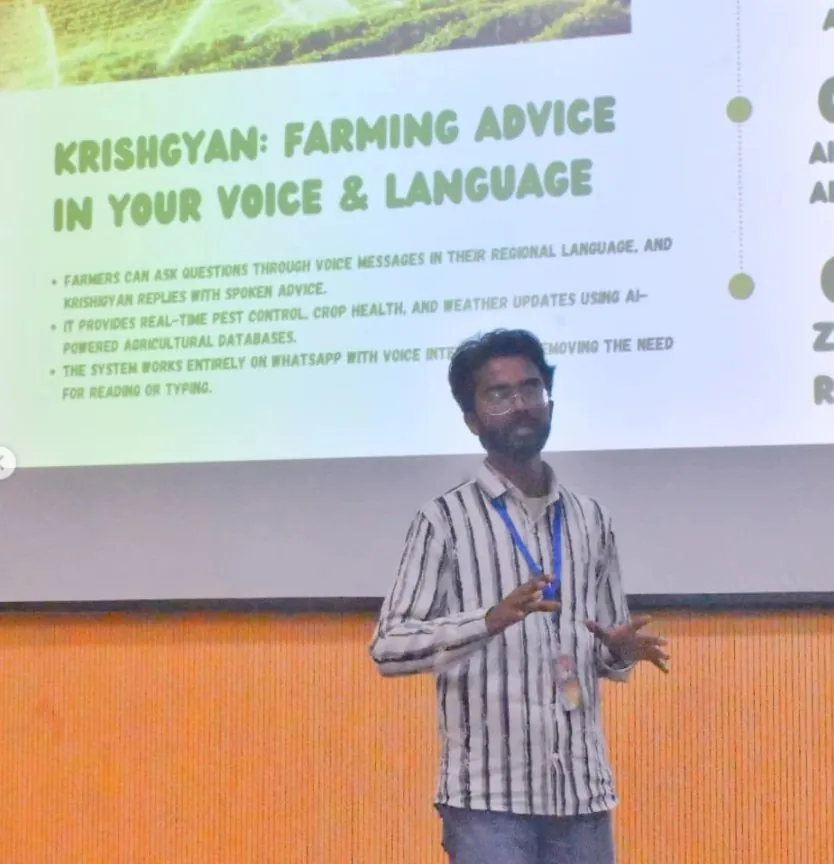
They matter less if they only produce slide decks or unfinished code. Recruiters care about what you built and can explain, not just participation certificates. Use hackathons as accelerators: learn new tools, meet collaborators, and turn the best ideas into real projects. KrishGyan started at a hackathon and won first prize because it solved a real problem in a demo judges could see working.
Why are Quebec and some countries excluded from hackathons?
Many hackathon rules exclude places such as Quebec, Brazil and some other jurisdictions because their laws regulate prize contests, requiring registration, fees, translations or government authorisation. Organisers exclude them to avoid compliance costs and legal risk.
Also asked as: why is quebec excluded from hackathons
Quebec, for example, has rules requiring certain contests open to its residents to be registered with a provincial regulator, and Brazil regulates promotional prize distributions. Sanctions laws also bar participants from some countries. These exclusions are about legal compliance, not the participants. If you live in an excluded region, check whether the event allows participation without prizes, or look for events organised locally. Organisers usually list excluded regions in the official rules, so read them before investing time.
Sources

GenAI engineer and AI product builder with 2+ years shipping production-grade AI systems: RAG pipelines, fine-tuned LLMs, hybrid retrieval and multi-modal apps across vision, speech and OCR, architected end to end from ingestion to deployment. Leads engineering for SCULT INDIA's 14-member team, founded the 500+ member TechVerse Enclave community and has mentored 200+ students. Three hackathon first prizes: Changethon 2025 (IIT Roorkee), Product Genesis at Vividhotsava 2025 (CSJMU) and BYTEBATTLE (MeetKats).
Open to GenAI roles, hackathon judging, mentorship sessions and guest talks at colleges. For campus sessions the inviting institution covers the visit end to end: travel (a First AC train ticket for journeys up to five hours, a flight for anything longer), accommodation, meals, and pickup and drop; the honorarium and workshop fees are negotiable on WhatsApp or on the call, and requests are welcome from institutions that can cover the visit this way. Email pranjulrathour41@gmail.com.