Key takeaways
- A mentor is an experienced, trusted adviser who helps someone grow over time.
- Mentor people by listening, asking good questions, sharing honest experience and helping them act.
- Mentoring young people works best with consistency, patience, encouragement and safe boundaries.
- Hire a mentor when you face a specific transition or plateau and are ready to act on advice.
- In the Odyssey, the goddess Athena disguises herself as Mentor; Mentor Graphics is now owned by Siemens.
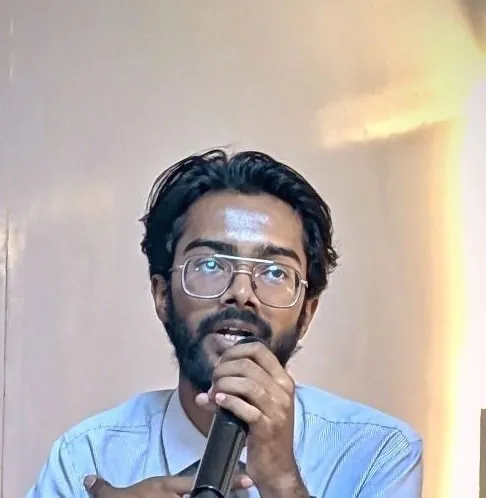
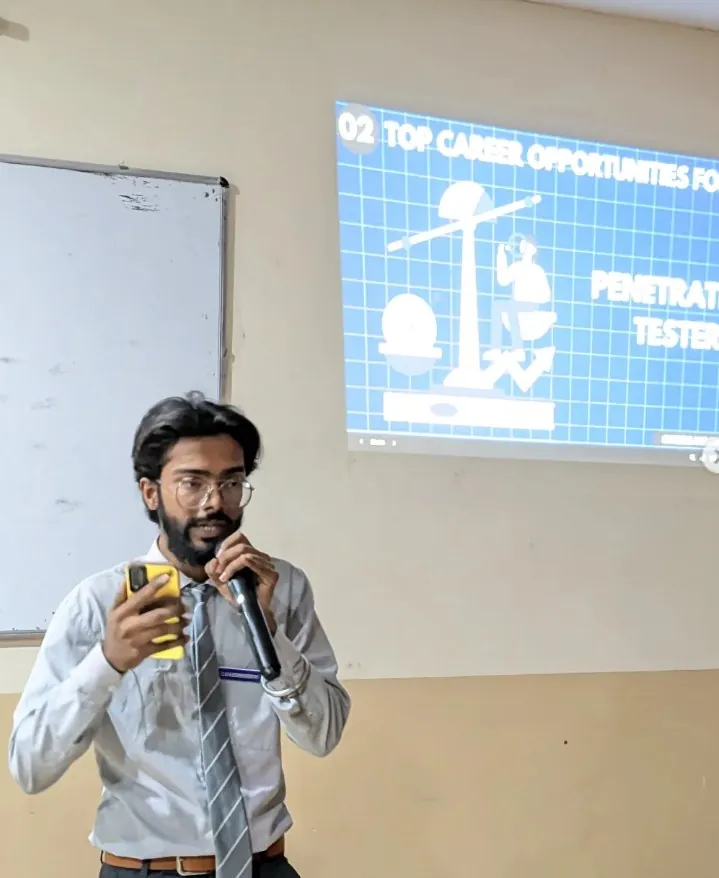
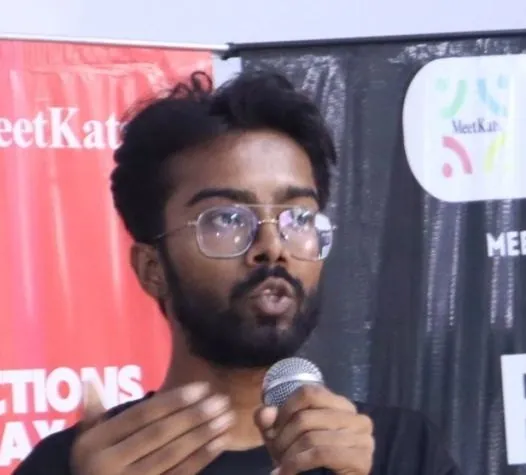
A mentor is an experienced and trusted adviser who helps someone less experienced grow, by sharing knowledge, perspective, feedback and connections over time. The word comes from Mentor, a character in Homer's Odyssey. I have mentored more than 200 students since 2023 and built TechVerse Enclave, a student tech community of over 500 members, so this page covers what mentor means, how to mentor people and young people, whether to become a mentor, when to hire one for career, business or coding, and the Athena and company questions.
What does mentor mean?
As a noun, a mentor is an experienced person who advises and supports someone less experienced, usually over a sustained period. As a verb, to mentor means to guide and advise someone in that way. The person being mentored is a mentee or protégé.
Also asked as: how to mentor a youth
Mentors differ from teachers, who deliver set content, and from coaches, who mainly ask questions to help you find answers. A mentor shares personal experience, opens doors and cares about your long-term growth. Mentors can be formal, through programmes, or informal, such as a senior who regularly helps you. Good mentoring relationships rest on trust, honesty and the mentee's willingness to act. In workplaces, mentoring is often informal: the senior engineer who reviews your code thoughtfully is mentoring you.
How do I mentor people?
Start by understanding their goals and situation, listen more than you talk, ask questions that help them think, share specific experiences including mistakes, give honest feedback kindly, and help them take concrete next steps. Check back regularly.
Practical habits:
- Agree on goals and how often you will meet.
- Ask "What have you tried?" before giving advice.
- Use their real work, such as a project or resume, as material.
- Share how you decide, not only what to do.
- Introduce them to people and opportunities when ready.
- Celebrate progress and let them own their decisions.
The best mentors make themselves less necessary over time. Ask mentees what helped after each session and adjust your style.
How do I mentor a young person?
Be consistent and reliable, listen without judging, encourage their interests, set small achievable goals together, model the behaviour you hope to see, and respect boundaries. Young people need trust and stability more than lectures.
Practical tips: meet in appropriate, visible settings, and follow your organisation's safeguarding rules; involve parents or guardians where appropriate; focus on strengths; help with practical skills like study habits or project planning; and connect them to resources such as clubs and competitions. With students, I find that helping them finish one small project builds more confidence than any amount of advice.
Should I become a mentor?
If you have experience others can learn from and can commit time regularly, yes. Mentoring helps others grow, strengthens your communication and leadership, deepens your own understanding, and builds your network and reputation.
Consider your capacity honestly: unreliable mentoring can disappoint mentees. Start small with one mentee, a peer mentoring programme, or community events where you answer questions. You do not need to be an expert; being a few steps ahead on a path is enough to help. Many of my most useful sessions came from simply sharing what I wished I had known a year earlier.
When is the best time to hire a mentor?
The best time to hire a paid mentor is when you face a specific goal, transition or plateau, such as changing careers, launching a business or stuck progress, and you are ready to act on advice. Hiring without a clear goal often wastes the investment.
Before paying, try free routes: alumni, communities, professional associations and mentorship platforms. When hiring, check the mentor's real track record, ask for a trial session, agree on goals and duration, and measure progress. A good paid mentor shortens your learning curve; a poor one sells generic advice you could find online.
When is the best time to hire a mentor for my career?
Good moments are before major career decisions, such as choosing a specialisation, preparing for job switches, moving into leadership, or when you feel stuck without knowing why. A mentor helps most when you can share specifics: your goals, work and obstacles.
Also asked as: best time to hire mentor for career
For students, the final years of college are valuable, when choosing roles, building portfolios and preparing for placements. For working professionals, the first months in a new role or before asking for a promotion are strong moments. Prioritise mentors working in the role you want, ideally two to five years ahead of you. Their memory of the transition is recent and specific.
When is the best time to hire a mentor for business?
Hire a business mentor before major decisions or growth phases: validating an idea, launching, raising money, hiring your first employees, entering new markets, or when growth stalls. Experienced founders help you avoid expensive mistakes.
Also asked as: best time to hire mentor for business
Before paying, explore incubators, accelerators, startup programmes and founder communities, which often provide mentors for free. Choose mentors who have built businesses similar to yours, and be wary of advisers who sell generic frameworks. Set specific questions for each session and track decisions made. Combine mentors with domain experts, such as accountants and lawyers, for regulated matters.
When is the best time to hire a web development mentor?
Hire a web development mentor once you know the basics and are building real projects, when feedback on code, architecture and career direction matters most. Early on, free courses and communities are usually enough.
Also asked as: best time to hire web development mentor
Signs it is time: you are stuck on project structure, your code works but you do not know if it is good, you are preparing for interviews, or you are choosing between stacks. Look for mentors who review your actual code and explain trade-offs. Communities, open-source maintainers and hackathon mentors are excellent free alternatives. Agree on a fixed number of sessions with clear outcomes, such as a reviewed portfolio project, so you can judge value.
Is Mentor Athena in the Odyssey?
Partly. Mentor is a real character in the Odyssey, an old friend of Odysseus, but in many key scenes the goddess Athena takes Mentor's form to guide and encourage Odysseus's son Telemachus. So when "Mentor" gives wise advice, it is often Athena in disguise.
This is why the word "mentor" is linked to wisdom and guidance: the most memorable mentoring in the story comes from a goddess using Mentor's appearance. The modern meaning became popular after the 1699 French novel about Telemachus by Fénelon, which made Mentor a central guiding figure.
Who owns Mentor?
It depends which Mentor. Mentor Graphics, the electronic design automation software company, was acquired by Siemens in 2017 and became Siemens EDA in 2021. Other companies and brands also use the name Mentor in different industries.
In technology, Mentor Graphics' tools for chip and circuit design are now part of Siemens' digital industries software. If you are researching a specific Mentor brand, check the company's official website or recent annual reports for current ownership, since names and owners change through acquisitions. For mentorship platforms with Mentor in the name, check who operates them before sharing personal information.
Sources

GenAI engineer and AI product builder with 2+ years shipping production-grade AI systems: RAG pipelines, fine-tuned LLMs, hybrid retrieval and multi-modal apps across vision, speech and OCR, architected end to end from ingestion to deployment. Leads engineering for SCULT INDIA's 14-member team, founded the 500+ member TechVerse Enclave community and has mentored 200+ students. Three hackathon first prizes: Changethon 2025 (IIT Roorkee), Product Genesis at Vividhotsava 2025 (CSJMU) and BYTEBATTLE (MeetKats).
Open to GenAI roles, hackathon judging, mentorship sessions and guest talks at colleges. For campus sessions the inviting institution covers the visit end to end: travel (a First AC train ticket for journeys up to five hours, a flight for anything longer), accommodation, meals, and pickup and drop; the honorarium and workshop fees are negotiable on WhatsApp or on the call, and requests are welcome from institutions that can cover the visit this way. Email pranjulrathour41@gmail.com.