Key takeaways
- Hackathons are time-boxed events where teams build a prototype for a problem and demo it to judges.
- You can sleep at most hackathons; resting in shifts usually improves the final demo.
- Hackathons set problem statements by track, and judges question your solution, scope and limitations.
- Smart India Hackathon is widely described as India's largest; MLH supports student hackathons worldwide.
- Hackathon projects strengthen placements as portfolio proof, alongside fundamentals, not instead of them.
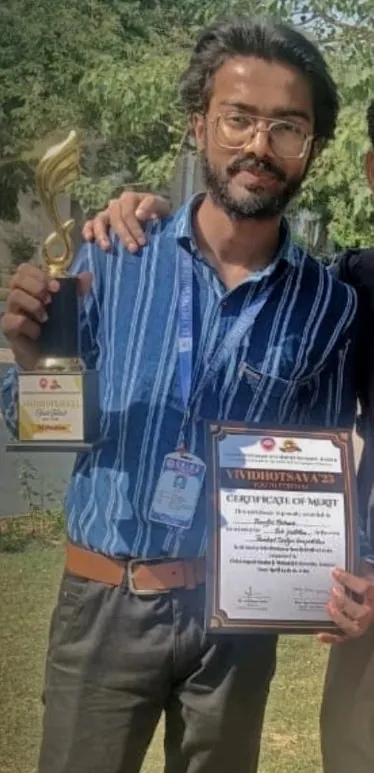
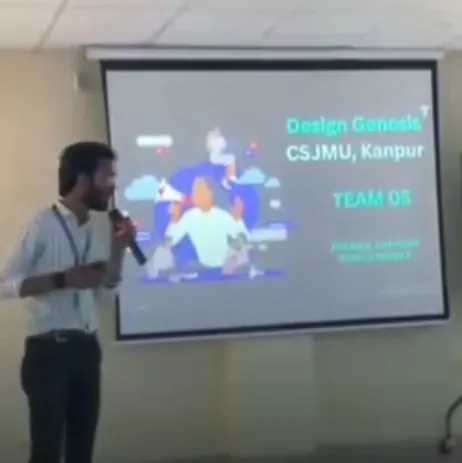
A hackathon is a time-boxed event, usually 24 to 48 hours, where teams build a working prototype for a problem and present it to judges. I have competed in more than 10 hackathons, winning first prizes at Changethon 2025 at IIT Roorkee and Product Genesis at Vividhotsava 2025, CSJMU, and I founded the TechVerse Enclave community, so this page covers what happens, sleep, typical questions, game jams, India's biggest hackathon, MLH, hosting and placements.
What happens in a hackathon?
Teams register, receive or choose a problem statement, build a prototype within the time limit, and present a demo to judges, who score it on innovation, technical execution, impact and presentation. Winners receive prizes, and many events offer mentoring, workshops and networking.
Also asked as: what happens in hackathon
A typical flow: opening ceremony and rules, problem or track announcement, team formation for solo participants, building with mentor check-ins, a submission deadline with a code repository and demo video, then judging rounds and results. Online hackathons follow the same flow over chat and video calls. The real outcome is a shipped prototype, new teammates and feedback from experienced judges, which matters even when you do not win a prize.
What happens in a hackathon for students?
Student hackathons follow the same build-and-demo format but add more support: beginner workshops, mentors from industry, starter APIs and cloud credits, and judging that rewards learning and creativity as well as polish.
Also asked as: what happens in hackathon for students
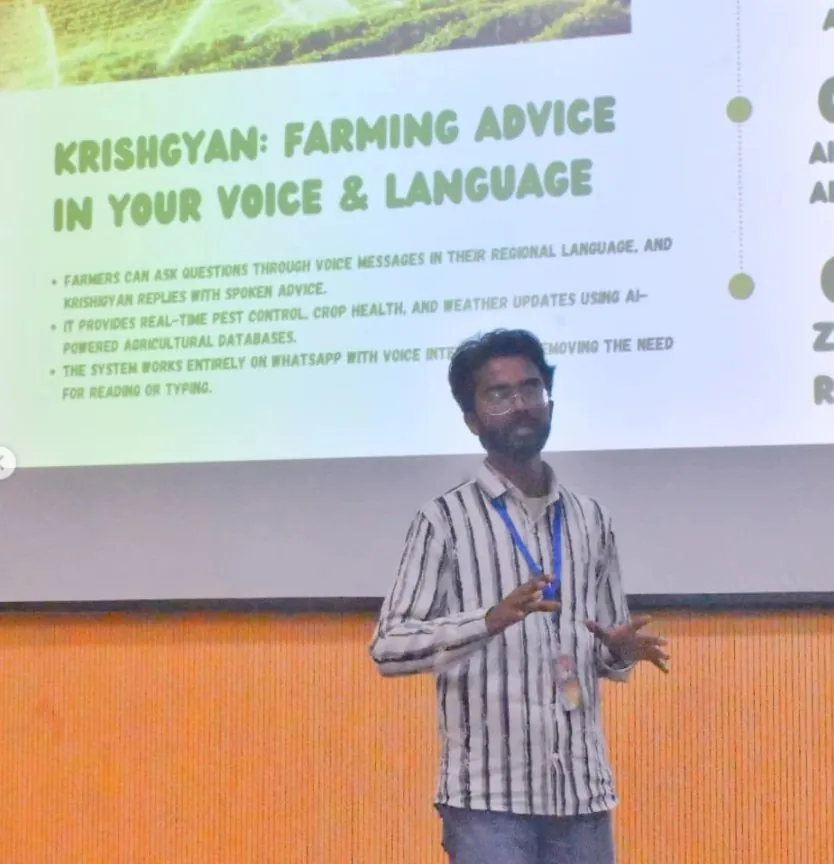
For students, the value is compressed experience: you learn to scope a problem, divide work, use Git with teammates, deploy quickly and pitch to judges, all in one weekend. My team's KrishGyan, which gives farming advice in a farmer's own voice and language over WhatsApp, won first prize at Changethon 2025 at IIT Roorkee with a working demo of one focused idea. Start with beginner-friendly college events, then move to national hackathons as your team gains confidence and a few finished projects.
Can you sleep during a hackathon?
Yes. Most hackathons allow sleeping, and many provide rest areas, though some participants stay awake all night. Sleeping a few hours usually improves your final demo, because tired teams make more bugs and weaker pitches.
Also asked as: can you sleep during hackathon
Plan sleep in shifts: teammates rest in turns so work continues, and everyone sleeps at least a few hours before the final presentation. Bring a light blanket, a hoodie, earplugs and a charger, since venues can be cold and noisy. Check the rules, since some venues restrict overnight stays or require participants to remain on campus. Avoid relying on energy drinks; water, regular meals and short walks keep you sharper for judging.
What questions are asked in a hackathon?
Hackathons ask problem statements, not exam questions: real challenges from sponsors, governments or organisers, such as improving crop advice for farmers, detecting fraud, or making campus services accessible. Judges then ask questions about your solution during the demo.
Also asked as: what questions are asked in hackathon
Problem statements usually fall into tracks such as healthcare, education, agriculture, fintech, sustainability, AI and open innovation. During judging, expect questions like: What problem are you solving and for whom? How does it work technically? What did you build during the event? How would it scale? What are the limitations? Prepare short, honest answers, show the working demo first, and know which parts are complete and which are mocked.
What are some example hackathon questions?
Examples of hackathon problem statements: build a tool that gives farmers crop advice in local languages; create an app that reduces food waste by connecting surplus food with people who need it; detect fake news; or make government forms easier to fill.
Annapurna, our surplus-food coordination project, won first prize at BYTEBATTLE by MeetKats, and BrandHive won Product Genesis at Vividhotsava 2025, both answering statements like these. Other common statements include AI study assistants, mental health support chatbots, accessibility tools for visually impaired users, smart traffic or parking systems, and dashboards for public data. Pick statements where you understand the user and can demo a core feature within the time, rather than the most ambitious one.
Hackathon vs game jam: what is the difference?
A game jam is a hackathon focused on making games, usually around a theme announced at the start, such as Global Game Jam or Ludum Dare. A hackathon covers any software or hardware problem and is judged on impact and execution.
Game jams reward creativity, fun and polish of a small playable game, often built by solo developers or small teams with engines like Unity, Godot or Unreal, and many are online and rated by other participants. Hackathons often have sponsor tracks, problem statements, mentors and judging panels focused on real-world usefulness. Both teach rapid scoping, teamwork and shipping under pressure; choose game jams if you love game design, hackathons if you want to solve practical problems.
What is the biggest hackathon in India?
Smart India Hackathon, run by the Government of India's Ministry of Education and its Innovation Cell, is widely described as the country's largest hackathon, with problem statements from ministries, public organisations and industry.
Students from colleges across India form teams, apply to problem statements, go through internal and national screening, and finalists build solutions at nodal centres in a grand finale. Other large hackathons in India include Web3 events such as ETHIndia, corporate challenges like Flipkart GRiD, and many inter-college hackathons at IITs and NITs. For beginners, college and community events are a better start, building the skills and team habits needed for national-level competitions.
What is an MLH hackathon?
MLH, Major League Hacking, is a community that supports student hackathons worldwide. An MLH hackathon is a member event that follows MLH's standards, including a code of conduct, and gets support such as sponsor resources, prizes and guidance for organisers.
Also asked as: what is mlh hackathon
MLH also runs its own online events, such as Global Hack Week, and programmes like the MLH Fellowship, where students contribute to open-source projects. MLH events usually offer sponsor challenges, for example from cloud or developer tool companies, with separate prizes. For students, the MLH events calendar is a good way to find well-run hackathons, both online and in person, and its community events welcome beginners who have never built a project before.
How do you host an online hackathon?
Define the goal, audience, themes and timeline, choose a platform such as Devfolio or Devpost for registration and submissions, set up a Discord or similar server for communication, recruit mentors and judges, and publish clear rules and judging criteria.
Also asked as: how to host an online hackathon
On Devfolio, organisers create a hackathon page with tracks, prizes, timelines and application questions, then review applications and collect project submissions in one place. For a smooth event, run a kickoff stream, schedule mentor office hours, share starter resources and APIs, set a strict submission deadline with demo videos, and judge in rounds. As the founder of TechVerse Enclave, a community of 500+ members, I find that clear communication and visible mentors keep online participants engaged.
Does a hackathon help in placement?
Yes, indirectly and sometimes directly. Hackathon projects give you real stories for interviews, portfolio pieces and proof of teamwork, and some company-run hackathons lead straight to interviews, internships or pre-placement offers.
Also asked as: does hackathon help in placement
Recruiters value candidates who can show a working product, explain technical decisions and describe collaboration under pressure. Put your best hackathon projects on GitHub with clear READMEs and demo videos, list wins and finalist positions on your resume, and connect with sponsors and judges you meet. Hackathons do not replace fundamentals: you still need data structures, problem solving and core subjects for online assessments and technical rounds. Use them to complement preparation, not replace it.
Sources

GenAI engineer and AI product builder with 2+ years shipping production-grade AI systems: RAG pipelines, fine-tuned LLMs, hybrid retrieval and multi-modal apps across vision, speech and OCR, architected end to end from ingestion to deployment. Leads engineering for SCULT INDIA's 14-member team, founded the 500+ member TechVerse Enclave community and has mentored 200+ students. Three hackathon first prizes: Changethon 2025 (IIT Roorkee), Product Genesis at Vividhotsava 2025 (CSJMU) and BYTEBATTLE (MeetKats).
Open to GenAI roles, hackathon judging, mentorship sessions and guest talks at colleges. For campus sessions the inviting institution covers the visit end to end: travel (a First AC train ticket for journeys up to five hours, a flight for anything longer), accommodation, meals, and pickup and drop; the honorarium and workshop fees are negotiable on WhatsApp or on the call, and requests are welcome from institutions that can cover the visit this way. Email pranjulrathour41@gmail.com.