Key takeaways
- Anyone can gain mentorship by showing initiative, asking specific questions and acting on advice.
- Mentors include seniors, teachers, alumni, managers, community leaders and professionals in your field.
- Mentorship provides guidance, feedback, perspective, accountability and connections.
- Successful mentorship has clear goals, regular contact, honest feedback and visible progress.
- ICT can mean information technology mentoring or a trading education brand; judge any paid programme critically.
Yes, you can gain mentorship: most mentoring relationships start when someone shows initiative, asks a specific question and acts on the advice, prompting the mentor to invest more. Mentorship looks like regular conversations about goals, honest feedback on real work, and help with decisions and opportunities. I have mentored more than 200 students since 2023, so this page covers how to gain mentorship and who provides it, what it provides and looks like, successful and professional mentoring, good programmes, speaker bios, and what "ICT mentorship" means.
Can you gain mentorship?
Yes. Mentorship can be gained through formal programmes at school, college or work, or informally by building relationships with people further along your path. Initiative is the key: mentors invest in people who show effort and follow through.
How to start: join communities and events, ask thoughtful, specific questions, share your work, and report back on what you did with advice. Avoid asking strangers "Will you be my mentor?"; instead ask for one short conversation on a specific topic. Over time, repeated helpful exchanges become mentorship naturally. Students who return with progress get far more of my time than those who only ask questions.
Which people provide mentorship?
Mentors can be senior students, teachers and professors, alumni, managers and senior colleagues, community and club leaders, professionals in your target field, startup founders, and peers slightly ahead of you. Formal mentors come through programmes; informal ones through relationships.
The best mentor depends on your goal: for choosing college electives, a senior student; for entering an industry, someone two to five years into that career; for leadership, an experienced manager. Diverse mentors give diverse perspectives, so many people have several. Online communities and mentorship platforms connect you with professionals beyond your local network.
What does mentorship provide?
Mentorship provides guidance from experience, honest feedback, perspective on decisions, accountability for goals, encouragement through setbacks, and connections to people and opportunities. It shortens your learning curve by sharing lessons others learned the hard way.
For mentees, benefits include clearer direction, faster skill growth, better decisions and access to networks. Mentors gain leadership skills, fresh perspectives and satisfaction. Organisations gain retention, knowledge transfer and stronger cultures. The value depends on the relationship's quality: a good mentor helps you think and act, not just listen. For students from smaller towns or first-generation families, mentorship often provides the career information that others get at home.
What does mentorship look like in practice?
In practice, mentorship looks like regular conversations, perhaps every two to four weeks, where the mentee brings goals, questions and work, and the mentor asks questions, shares experience, gives feedback and suggests next steps. Between meetings, the mentee acts and reports progress.
A typical session: a quick update on progress, one or two specific challenges, discussion and advice, and agreed actions. Mentors may review a resume, a project or a talk, introduce someone useful, or suggest resources. Communication can happen in person, on calls or by messages. Over time, the relationship grows more collaborative. Keeping a shared document of goals, notes and actions makes progress visible to both people.
What does a successful mentorship look like?
A successful mentorship has clear goals, consistent contact, mutual respect and trust, honest two-way feedback, and visible progress for the mentee. Both people find it worthwhile and look forward to conversations.
Signs of success: the mentee achieves milestones, such as a first internship, a shipped project or a new role; they make better decisions independently over time; and the relationship evolves, sometimes into friendship or sponsorship. Unsuccessful mentorships drift without goals, rely on the mentor to drive everything, or feel transactional. Periodic check-ins on how the relationship is working help keep it healthy.
What does professional mentorship look like?
Professional mentorship focuses on career growth: skills, workplace navigation, decisions such as role changes or promotions, leadership development and networking, often through company programmes or industry relationships. Meetings are structured around career goals.
A professional mentor might help you prepare for a promotion conversation, review your technical design, explain how decisions are made in your organisation, or introduce you to leaders. Confidentiality and trust are important, especially when discussing challenges at work. Professional mentorship often complements, rather than replaces, guidance from your manager.
What does a good mentorship programme look like?
A good programme has clear purpose, careful matching on goals and interests, mentor training, agreed expectations, a meeting schedule, resources for sessions, check-ins from coordinators, and evaluation at the end. It supports relationships without over-controlling them.
Also asked as: what does a good mentorship program look like
Key features: an orientation explaining roles; goal-setting templates; flexibility to rematch if pairs do not work; recognition for mentors' time; and measurement of outcomes such as retention, skill growth or placements. Programmes for students benefit from pairing mentoring with real opportunities, such as hackathons, internships and projects.
How does mentorship actually work, and what is having a mentor like?
Having a mentor feels like having an experienced ally: someone you can ask honest questions, who gives you feedback you might not hear elsewhere, and who cares about your progress. It works through regular, purposeful conversations and your action between them.
Also asked as: how does mentorship actually work? what does having a mentor look like
The mentee drives the relationship: setting goals, scheduling meetings, preparing questions and following through. The mentor contributes experience, perspective and sometimes connections. Expect challenge as well as support; good mentors point out blind spots. Respect their time, say thank you, share wins, and look for ways to help them back.
What does a speaker bio look like?
A speaker bio is a short, third-person paragraph of about 50 to 200 words introducing a speaker's current role, credibility and topics. Organisers use it in programmes, posters and introductions on stage.
Example: "Pranjul Rathour leads engineering at SCULT INDIA and shipped five production AI applications in 2026. He has mentored more than 200 students since 2023 and won first prizes at Changethon 2025 and Vividhotsava 2025. He speaks on building and shipping AI products." Keep short, medium and long versions, use specifics rather than adjectives, and update them regularly.
Which ICT mentorship is the best?
It depends what "ICT" means. In education and careers, ICT means information and communication technology, and good mentorship comes from industry professionals, alumni, communities and structured programmes. In trading, ICT refers to the Inner Circle Trader education brand, a different topic altogether.
For ICT careers, look for mentors working in roles you want, communities with active members, and programmes with clear goals and real project feedback. For trading education of any kind, be very cautious: verify claims independently, avoid paying for promises of profits, learn about risks from regulators' investor education resources, and remember that studies by India's market regulator SEBI found most individual traders in futures and options lost money. Neither is a substitute for professional financial advice.
Sources

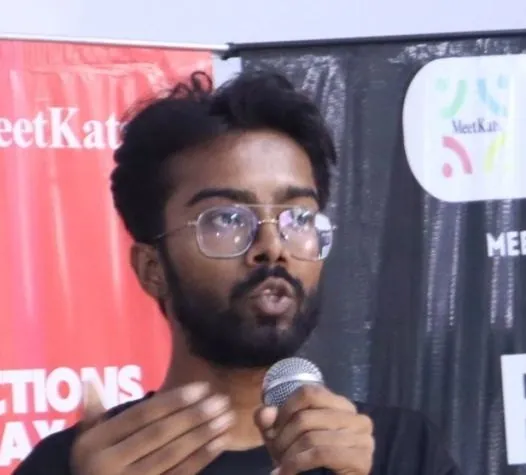
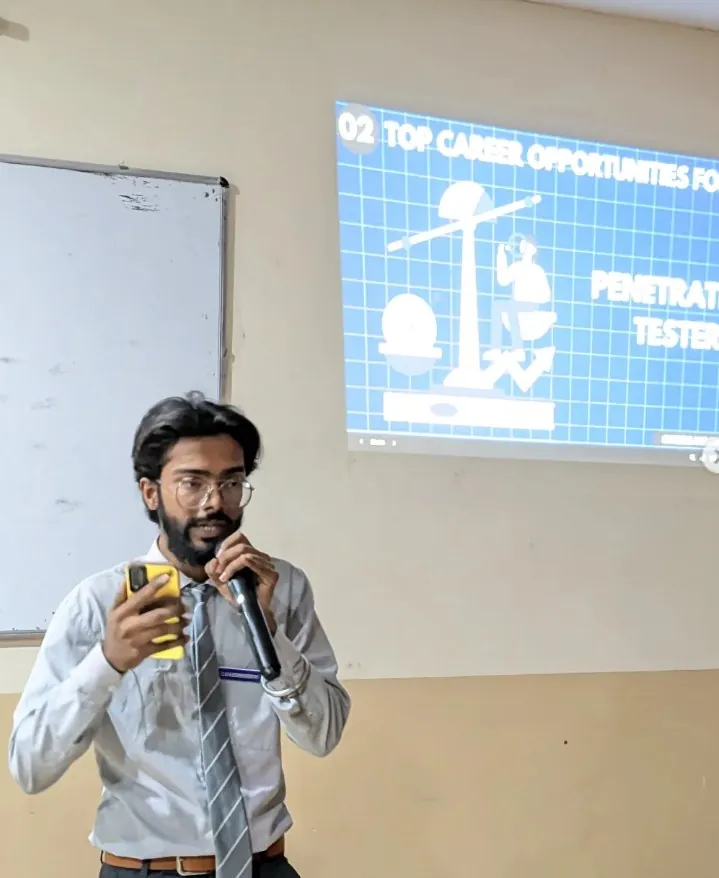
GenAI engineer and AI product builder with 2+ years shipping production-grade AI systems: RAG pipelines, fine-tuned LLMs, hybrid retrieval and multi-modal apps across vision, speech and OCR, architected end to end from ingestion to deployment. Leads engineering for SCULT INDIA's 14-member team, founded the 500+ member TechVerse Enclave community and has mentored 200+ students. Three hackathon first prizes: Changethon 2025 (IIT Roorkee), Product Genesis at Vividhotsava 2025 (CSJMU) and BYTEBATTLE (MeetKats).
Open to GenAI roles, hackathon judging, mentorship sessions and guest talks at colleges. For campus sessions the inviting institution covers the visit end to end: travel (a First AC train ticket for journeys up to five hours, a flight for anything longer), accommodation, meals, and pickup and drop; the honorarium and workshop fees are negotiable on WhatsApp or on the call, and requests are welcome from institutions that can cover the visit this way. Email pranjulrathour41@gmail.com.