Key takeaways
- Hackathons build prototypes, CTFs test security skills, ideathons reward ideas and datathons analyse data.
- Bootcamps and workshops teach, while hackathons apply skills under time pressure.
- Buildathons emphasise shipping usable products, and techathons mix several formats.
- Hackathon combines hack and marathon, and the term emerged in 1999.
- Smart India Hackathon has run most years since 2017, through internal rounds and grand finales.
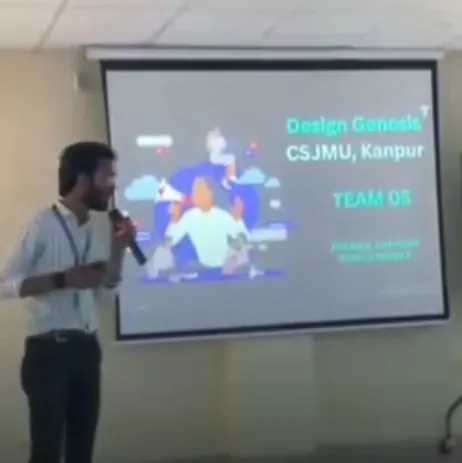
A hackathon is a time-boxed event where teams build working prototypes, usually over 24 to 48 hours, and present them to judges. Related events differ in focus: CTFs test security skills, ideathons reward ideas, datathons centre on data, and bootcamps teach. I won first prizes at Changethon 2025 at IIT Roorkee, Product Genesis at Vividhotsava 2025 and BYTEBATTLE, so this page explains these differences, how hackathons run and how the Smart India Hackathon works.
What is the difference between a hackathon and a CTF?
A hackathon is about building: teams create a working prototype that solves a problem. A CTF, or capture the flag, is a cybersecurity competition where players solve security challenges, such as exploiting vulnerabilities or cracking puzzles, to find hidden flags.
Also asked as: difference between hackathon and ctf
CTFs come in formats such as jeopardy-style, with categories like web, cryptography, reverse engineering and forensics, and attack-defence, where teams protect their own services while attacking others. They reward deep technical security skill and are scored automatically. Hackathons reward creativity, product thinking, teamwork and presentation, judged by people. Both are excellent for students: CTFs build security careers, while hackathons build product and engineering portfolios. Platforms such as CTFtime list upcoming CTFs worldwide.
What is the difference between a hackathon and an ideathon?
An ideathon focuses on generating and pitching ideas, often with research, business models and mockups, without requiring a working product. A hackathon expects teams to build a functional prototype within the event's time limit.
Also asked as: difference between hackathon and ideathon
Ideathons suit beginners, non-technical students and early-stage problem exploration, judged on originality, feasibility and impact. Hackathons demand implementation skills alongside ideas, and judges weigh working demos heavily. Some events combine both, with an ideathon round shortlisting teams for a hackathon finale. Ideathons teach problem framing and pitching, skills that make later hackathon projects stronger. If you are new, an ideathon is a low-pressure way to practise presenting before attempting a full build.
What is the difference between a hackathon and a datathon?
A datathon centres on data: teams analyse a provided dataset, build predictive models or visualisations, and present insights, often scored on accuracy metrics or analysis quality. A hackathon centres on building applications or products.
Also asked as: difference between hackathon and datathon
Datathons resemble short Kaggle-style competitions, rewarding statistics, machine learning, feature engineering and storytelling with data. Hackathons reward full product building, including interfaces and integrations. The lines blur when hackathon projects use machine learning, but datathons usually require less software engineering and more analysis. Students aiming for data science roles benefit from datathons, which produce notebooks and insights for portfolios, while aspiring software and AI engineers gain more from hackathons.
What is the difference between a hackathon and a bootcamp?
A bootcamp is an intensive training programme, lasting days to months, that teaches skills such as web development or data science through structured lessons and projects. A hackathon is a short competition where participants apply existing skills to build something fast.
Also asked as: difference between hackathon and bootcamp
Bootcamps focus on learning with instructors, curricula and assessments, sometimes with career support. Hackathons focus on creating under time pressure, with mentors available but no formal teaching. Short bootcamps sometimes precede hackathons to prepare beginners. Both have value: bootcamps build foundations, while hackathons test and stretch them. Be cautious with expensive bootcamps promising jobs; compare curricula, instructors and graduate outcomes, and remember that free resources and hackathons can teach a great deal.
What is the difference between a hackathon and a workshop?
A workshop is a guided learning session, usually a few hours long, where an instructor teaches a skill and participants follow along. A hackathon is a self-directed building event where teams create their own projects, typically over one or two days.
Also asked as: difference between hackathon and workshop
Workshops transfer knowledge, such as how to use Git, build an API or deploy a model, with clear steps and outcomes. Hackathons require applying knowledge to open-ended problems, making decisions without step-by-step guidance. Many hackathons include workshops at the start to help beginners. Running a short workshop before a hackathon is a good way for college clubs to prepare first-time participants, who then arrive with working setups and more confidence.
What is the difference between a hackathon and a buildathon?
A buildathon emphasises shipping a usable product, often over a longer period, such as a week or a month, sometimes with real users or launch goals. Hackathons are typically shorter and focus on prototypes and demos.
Also asked as: difference between hackathon and buildathon
Organisers use the word buildathon to signal that polish, deployment and usefulness matter more than a flashy demo. Some buildathons allow remote, part-time participation, suiting students with classes. In practice, the terms overlap, and rules vary by event, so read the judging criteria carefully. Buildathons suit teams who want to continue a project beyond the event, while classic hackathons suit rapid exploration of ideas. Both reward working software over slides.
What is the difference between a hackathon and a techathon?
Techathon is a broader, less standardised term for a technology competition or festival event, which may include coding contests, quizzes, debugging rounds, ideathons and hackathons. A hackathon specifically means building a project within a time limit.
Also asked as: difference between hackathon and techathon
College technical festivals often use techathon for multi-round events combining several formats, ending in a build round or presentation. Because the term varies, read the event rules to understand what you will actually do, how teams are formed and how judging works. If the event includes a build round, prepare as you would for a hackathon: set up your development environment, agree on roles and practise presenting a demo.
What is the difference between a hackathon and a marathon?
The word hackathon combines hack and marathon. A marathon is a long-distance running race; a hackathon borrows the idea of an intense, extended effort, applied to building software or hardware, often through the night.
Also asked as: difference between hackathon and marathon
The term emerged in 1999, used by open-source developers and companies for intensive coding events. Like marathons, hackathons test endurance and pacing, though modern organisers increasingly encourage rest, since exhausted teams make mistakes. Unlike a race, a hackathon is collaborative within teams and judged on quality rather than speed alone. Some events now run for a few hours, while others span weeks online, so the marathon comparison is mostly about intensity.
How does a hackathon happen?
A typical hackathon runs through registration and team formation, release of themes or problem statements, an opening session, a building period of 24 to 48 hours with mentor check-ins, project submission, judging and final pitches, then prizes.
Also asked as: how does hackathon happen
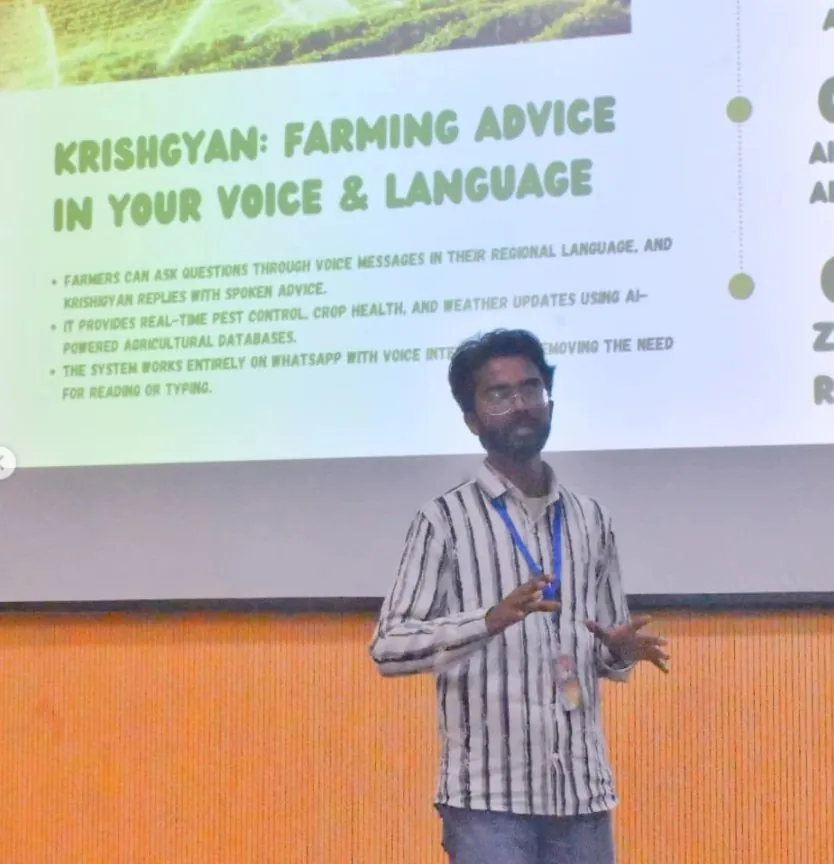
Before the event, teams register, sometimes after a screening round with idea submissions. During building, mentors review progress and help unblock problems. Submissions usually include a code repository, a demo video and a short description. Judges assess innovation, technical complexity, impact, design and presentation. Online hackathons follow the same steps through platforms such as Devpost or Unstop. Win or lose, the most valuable step is continuing the best project afterwards, as happened with KrishGyan and Annapurna.
Does Smart India Hackathon happen every year?
Smart India Hackathon, run by the Ministry of Education's Innovation Cell with AICTE, has been held most years since 2017, with software and hardware editions. Problem statements come from ministries, government departments and industry.
Colleges first conduct internal hackathons to nominate teams, which then submit ideas for specific problem statements. Shortlisted teams compete in grand finales held at nodal centres across India, with some editions held online. Timelines usually run from problem statement release through internal rounds to finales over several months. Check the official SIH website for the current edition's schedule and rules, since dates and formats change. SIH offers students a chance to solve real government and industry problems.
Sources

GenAI engineer and AI product builder with 2+ years shipping production-grade AI systems: RAG pipelines, fine-tuned LLMs, hybrid retrieval and multi-modal apps across vision, speech and OCR, architected end to end from ingestion to deployment. Leads engineering for SCULT INDIA's 14-member team, founded the 500+ member TechVerse Enclave community and has mentored 200+ students. Three hackathon first prizes: Changethon 2025 (IIT Roorkee), Product Genesis at Vividhotsava 2025 (CSJMU) and BYTEBATTLE (MeetKats).
Open to GenAI roles, hackathon judging, mentorship sessions and guest talks at colleges. For campus sessions the inviting institution covers the visit end to end: travel (a First AC train ticket for journeys up to five hours, a flight for anything longer), accommodation, meals, and pickup and drop; the honorarium and workshop fees are negotiable on WhatsApp or on the call, and requests are welcome from institutions that can cover the visit this way. Email pranjulrathour41@gmail.com.