Key takeaways
- Judges score the problem, the working solution, technical depth, impact and the pitch; a demo that works beats extra features.
- Impress judges by showing a real user, explaining your choices, and answering questions honestly.
- In a hackathon you form a team, pick a problem, build a prototype in limited time, and present it.
- Hackathons are demanding but beginner-friendly; scope tightly and finish something.
- The word combines 'hack' and 'marathon'; it appeared in 1999 with events by OpenBSD and Sun Microsystems.
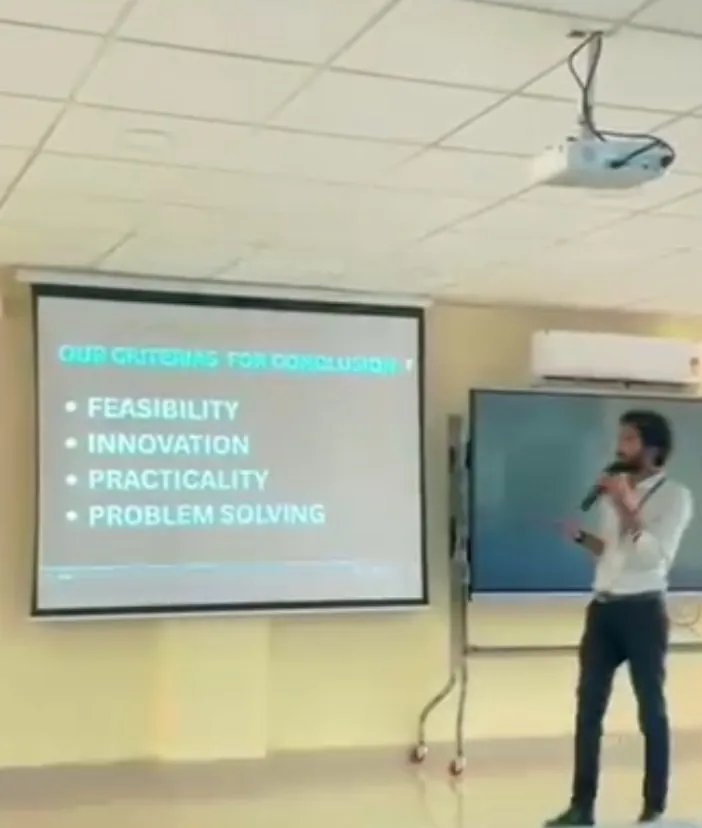
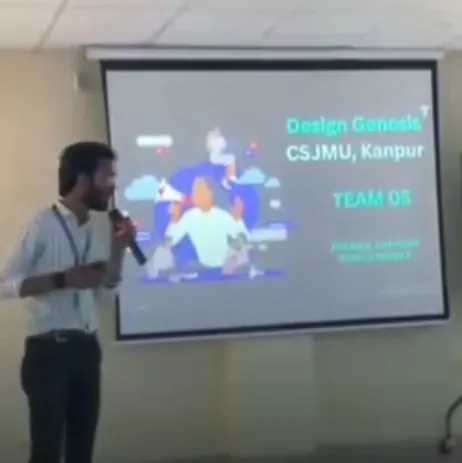
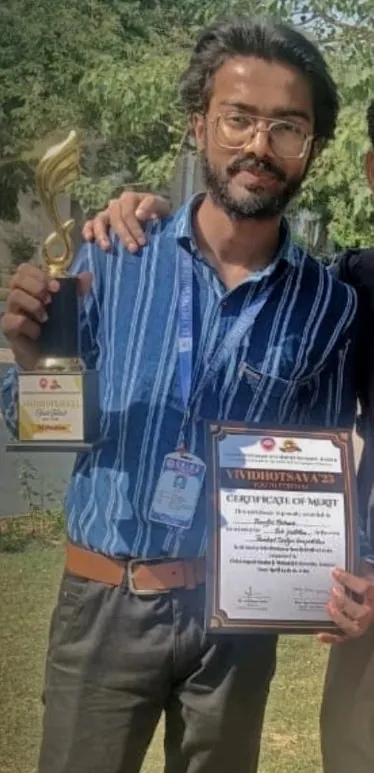
Hackathon judges look for a real problem, a working solution, sound technical choices, credible impact and a clear pitch, roughly in that order of weight at most events. I have sat on both sides of the table: winning first prizes at Changethon 2025 at IIT Roorkee, Product Genesis at Vividhotsava 2025 and BYTEBATTLE by MeetKats, and judging and mentoring at others. This page shares what judges actually score, how to impress them and do well, what you do at a hackathon, whether it is hard, hackathon tests, Unstop and other sites, and where the word and idea came from.
What do hackathon judges actually look for?
Most rubrics score five things: problem relevance, the working solution, technical execution, impact or feasibility, and presentation. Judges reward teams that solve a specific problem well over teams that attempt everything.
Also asked as: what hackathon judges actually look for: a rubric from both sides of the table
A typical rubric, seen from both sides:
- Problem: is it real, specific and important to an identifiable user?
- Solution: does the demo work live, end to end?
- Technical depth: are choices sensible, and can the team explain them?
- Impact and feasibility: could this be used, scaled or deployed?
- Presentation: is the story clear within the time limit?
As a judge, I trust teams that show what does not work yet and how they would fix it; honesty reads as understanding.
How do I impress hackathon judges?
Lead with the user and the problem, show a live demo of one complete flow, explain why you chose your approach, quantify impact where possible, and answer questions directly and honestly.
Also asked as: how to impress hackathon judges
Specific moves that work:
- Open with one person's problem, not your tech stack.
- Demo the core feature within the first minute or two.
- Mention one hard technical decision and why you made it.
- Show evidence: a user quote, a test result, a small dataset you validated on.
- Admit limitations and give a next-step plan.
- Keep slides minimal; the demo is the star.
KrishGyan stood out at Changethon 2025 because the demo showed a farmer asking in their own voice and language and getting a useful answer.
How do I do well in a hackathon?
Pick a narrow problem, plan scope in the first hour, divide roles, integrate early, freeze features well before the end, and rehearse the demo and pitch several times.
Also asked as: how to do well in a hackathon
A time plan for a 24-hour event:
- Hour 0 to 1: choose the problem, define one user and one core flow.
- Hours 1 to 4: skeleton app deployed, front end and back end connected.
- Hours 4 to 16: build the core feature; cut anything non-essential.
- Hours 16 to 20: polish, fix bugs, prepare slides.
- Final hours: rehearse, record a backup demo, rest a little.
Talk to mentors early; one good suggestion can save hours.
What do we have to do in a hackathon?
In a hackathon, you form or join a team, choose or receive a problem, build a working prototype within the time limit, and present it to judges, usually with a short demo and slides. Organisers provide themes, rules, mentors and judging criteria.
Also asked as: what we have to do in hackathon
The typical flow: registration and team formation, an opening session explaining rules and themes, building time with mentor check-ins, a submission deadline for code and slides, and final presentations. Some events add idea rounds before shortlisting. You are expected to write most of your project during the event, though rules on starter templates and AI tools vary, so read them.
Is a hackathon hard?
Hackathons are demanding because of tight time limits, teamwork pressure and things breaking at the last minute, but they are designed to be accessible. Beginners regularly take part and learn a lot, especially at events with beginner tracks and mentors.
Also asked as: is hackathon hard
What makes them manageable: choosing a small problem, using tools you know, splitting work clearly, asking mentors for help, and aiming to finish something rather than to win your first time. Skills improve quickly with each event. The hardest part for many people is the first one; after that, you know what to expect.
What is a hackathon test?
A hackathon test usually refers to an online assessment used to shortlist participants, such as a coding test, quiz or idea submission round, before the main build event. Hiring hackathons by companies often use coding tests to screen candidates.
Also asked as: what is hackathon test
Formats include timed coding problems, multiple-choice questions on fundamentals, and written idea proposals with a presentation. Prepare with practice problems on data structures and algorithms, review basics of the event's technology theme, and for idea rounds, write a clear problem statement, proposed solution and implementation plan. Read instructions carefully; many submissions fail on format rather than ideas.
What is an Unstop hackathon?
Unstop is an Indian platform, formerly known as Dare2Compete, where companies and colleges host hackathons, coding contests, case competitions, quizzes and hiring challenges. An "Unstop hackathon" is a hackathon listed and run through it.
Also asked as: what is unstop hackathon
Students use it to discover competitions, register teams, submit entries and follow results. Many college tech fest events and company hiring hackathons appear there. As with any platform, read each event's rules, timeline, eligibility and prize terms, and prefer events from organisers you can verify. It is one of the easiest ways for Indian students to find many competitions in one place.
What is the best hackathon website?
There is no single best one; use a few. Devfolio and Unstop list many Indian hackathons; Major League Hacking and Devpost list student and global events; Kaggle hosts data competitions; and college tech fest sites list campus events.
Tips for choosing events:
- Prefer events with clear judging criteria and mentors.
- Mix online events for volume with offline ones for networking.
- Check past winners' projects to understand the bar.
- Follow organisers on social media to catch registrations early.
Over time, you will learn which events suit your interests, whether AI, social impact, fintech or hardware.
Why is it called a hackathon?
"Hackathon" combines "hack", in the programmer's sense of building something clever and quick, and "marathon", an intense, sustained effort. It describes an event where people build intensively for a fixed period.
The word has nothing to do with breaking into systems; "hacker" originally meant an enthusiastic, skilful programmer. Over time, hackathons spread beyond software to hardware, design, policy, health and social impact, but the core idea remains: small teams, short time, real prototypes. Variants include ideathons, focused on ideas, and datathons, focused on data analysis.
Who invented the hackathon?
No single person invented it. The term appeared in 1999, used independently around events by the OpenBSD project and by Sun Microsystems around its JavaOne conference, where developers built software intensively over a short period.
Also asked as: who invented hackathon
Collaborative coding sprints existed before, but the name and format spread through the 2000s via tech companies, open-source communities and universities. Today hackathons run worldwide, from corporate innovation events to national programmes such as Smart India Hackathon. The format endures because it compresses learning, teamwork and creation into a memorable experience.
Sources

GenAI engineer and AI product builder with 2+ years shipping production-grade AI systems: RAG pipelines, fine-tuned LLMs, hybrid retrieval and multi-modal apps across vision, speech and OCR, architected end to end from ingestion to deployment. Leads engineering for SCULT INDIA's 14-member team, founded the 500+ member TechVerse Enclave community and has mentored 200+ students. Three hackathon first prizes: Changethon 2025 (IIT Roorkee), Product Genesis at Vividhotsava 2025 (CSJMU) and BYTEBATTLE (MeetKats).
Open to GenAI roles, hackathon judging, mentorship sessions and guest talks at colleges. For campus sessions the inviting institution covers the visit end to end: travel (a First AC train ticket for journeys up to five hours, a flight for anything longer), accommodation, meals, and pickup and drop; the honorarium and workshop fees are negotiable on WhatsApp or on the call, and requests are welcome from institutions that can cover the visit this way. Email pranjulrathour41@gmail.com.