Key takeaways
- A public speaker presents ideas live to audiences to inform, persuade, teach or inspire.
- Speakers are also called orators, keynote speakers, presenters, lecturers or trainers, depending on context.
- Become one by building expertise, speaking free at first, recording talks and making it easy to invite you.
- Great speakers are clear, specific, audience-focused and well rehearsed, with stories and evidence.
- Public speaking classes teach structure, delivery, nerves management and feedback through practice.
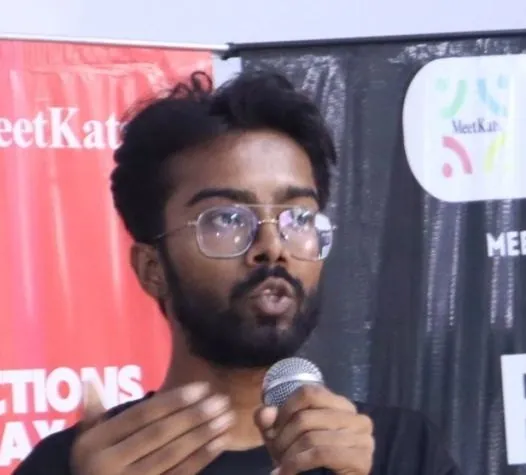
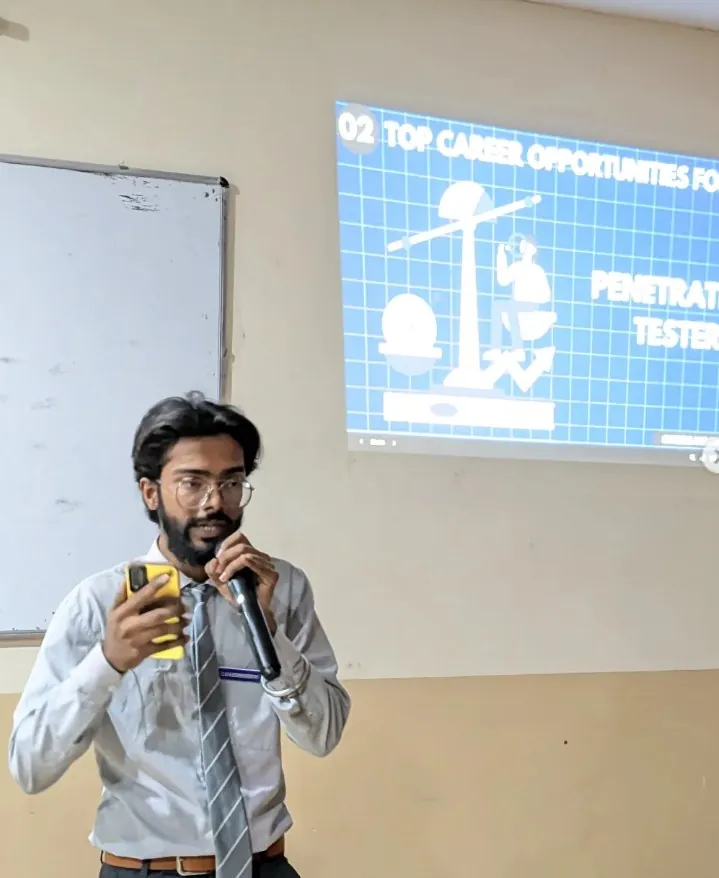
A public speaker is someone who presents ideas live to an audience, at conferences, colleges, companies, community events or online, to inform, persuade, teach or inspire. Some speak occasionally alongside their main work; others build careers around speaking. I have given more than 20 campus sessions, including the VSICS induction seminar for over 100 first-year students in July 2025, so this page covers what public speakers are and do, how to become one and get paid, how to be great and effective, public speaking classes, and a short guide.
What is a public speaker?
A public speaker is a person who delivers prepared talks or presentations to groups of people. The role ranges from a student presenting at a seminar to a professional keynote speaker at large conferences.
Public speakers usually share expertise or experience: engineers explain technology, founders share startup lessons, scientists present research, and advocates promote causes. What makes someone a public speaker is not fame but the practice of communicating clearly to audiences. Many professionals become public speakers naturally as their expertise grows, because organisers seek people who have done the work they want audiences to learn about. In technology, a student who has shipped a real project can already be a valuable speaker for juniors.
What is a public speaker called?
Depending on context, a public speaker may be called an orator, speaker, keynote speaker, presenter, lecturer, guest speaker, panellist, trainer, facilitator or motivational speaker. "Orator" suggests formal, persuasive speaking; "keynote speaker" means the main speaker at an event.
In education, invited speakers are often called guest speakers or resource persons; in companies, trainers or facilitators; at conferences, speakers, panellists or keynotes. The art of persuasive speaking is called rhetoric, and a skilled practitioner can be called a rhetorician. On event materials, use the title organisers expect, such as "speaker" or "resource person" for Indian colleges.
What is a public speaker's job?
A professional speaker's job includes researching audiences, preparing and rehearsing talks, delivering keynotes, workshops or training, answering questions, and marketing themselves to event organisers. Many combine speaking with consulting, writing, coaching or a main profession.
Also asked as: what is a public speaker job
Behind each talk is significant work: understanding what organisers want, tailoring content, preparing slides and demos, travel and logistics, and follow-up with attendees. Full-time speakers are relatively rare; most speakers are experts whose talks support their main work, such as engineers, founders, academics and authors. Speaking builds visibility that feeds their other work. Even a few talks a year can open doors to collaborations, hiring conversations and new clients.
How do I become a public speaker?
Build expertise in a topic, start speaking at small events such as college clubs, meetups and webinars, record your talks, gather feedback, and steadily seek bigger stages. Make it easy for organisers to find and invite you.
Also asked as: how to become public speaker
Steps:
- Choose two or three topics where you have real experience.
- Prepare one strong talk and refine it through repetition.
- Speak free at communities, colleges and online events.
- Collect recordings, photos and organiser feedback.
- Create a speaker page with topics, bio, past talks and contact.
- Write or post about your topics to build visibility.
My path started with sessions for juniors and grew into college seminars and campus visits.
How do I become a paid public speaker?
Paid speaking usually follows a track record: proven expertise, strong recordings, testimonials and visibility. Start with free talks to build these, then approach events, companies and colleges that have budgets, clearly stating your topics, formats and terms.
Also asked as: how to become a paid public speaker
Ways to get paid opportunities: corporate workshops and training, which often pay better than conferences; college programmes with funding for expert sessions; industry conferences after you are known in a niche; and referrals from organisers who liked your previous talks. A clear invite or booking page with topics and terms helps. Many speakers also earn indirectly, through clients, jobs or courses that talks generate.
How do I become a great public speaker?
Great speakers know their audience, have one clear message, tell specific stories with evidence, structure talks simply, and rehearse until delivery feels natural. They speak with energy and authenticity rather than performance.
Also asked as: how to be a great public speaker
Habits of great speakers: they open with a hook, such as a question or story; use slides as support, not scripts; show real examples and demos; vary pace and pause for emphasis; make eye contact; handle questions honestly; and end with a clear takeaway or action. They also seek feedback after every talk and keep improving. Watching recordings of yourself is uncomfortable but the fastest way to improve.
How do I become an effective public speaker?
Effectiveness means the audience understands, remembers and acts on your message. Focus on clarity, relevance and actionability: one main idea, concrete examples, and specific next steps the audience can take.
Also asked as: how to be an effective public speaker
Tips:
- Define what the audience should know or do after your talk.
- Cut content that does not serve that goal.
- Use stories and data together.
- Check understanding with questions or quick polls.
- Give a resource or roadmap they can use later.
- Follow up with slides or links.
At my campus sessions, a concrete three-year roadmap students could photograph did more than any inspirational speech.
What is a public speaking class?
A public speaking class teaches how to prepare and deliver presentations: choosing topics, structuring talks, writing openings and closings, using voice and body language, managing nerves, using visual aids and handling questions, with lots of practice and feedback.
Classes may be in schools, colleges, community centres, online platforms or clubs such as Toastmasters, which uses structured speeches and peer evaluation. The value comes from repeated practice in a supportive setting, plus feedback you cannot get alone. Look for classes with small groups, recorded practice and individual feedback. Online courses can teach techniques, but nothing replaces speaking to real people regularly.
What is a public speaking class in college?
In college, a public speaking class, often called communication skills or speech communication, is a course where students learn and practise presentations, speeches, group discussions and sometimes debates, with assessments based on actual speaking.
Many Indian colleges include communication skills in their curriculum, and placement training often covers group discussions and interviews. Take these classes seriously: speaking skills affect interviews, project vivas, hackathon pitches and leadership roles. Supplement them with club activities, tech talks and competitions to practise beyond the classroom.
What is a quick public speaking guide?
Prepare, practise and connect. Know your audience and message, structure the talk, rehearse out loud, and focus on helping the audience rather than on yourself.
Also asked as: a public speaking guide
A compact guide:
- Audience: who they are and what they need.
- Message: one sentence summarising your talk.
- Structure: hook, three key points, takeaway.
- Evidence: stories, examples, demos, data.
- Slides: minimal text, large visuals.
- Practice: three full rehearsals, timed.
- Delivery: slow down, pause, make eye contact.
- Questions: listen fully, answer honestly.
After the talk, ask for feedback and note one thing to improve next time. Keep a simple log of each talk, audience and lesson, and you will see steady progress within a year.
Sources

GenAI engineer and AI product builder with 2+ years shipping production-grade AI systems: RAG pipelines, fine-tuned LLMs, hybrid retrieval and multi-modal apps across vision, speech and OCR, architected end to end from ingestion to deployment. Leads engineering for SCULT INDIA's 14-member team, founded the 500+ member TechVerse Enclave community and has mentored 200+ students. Three hackathon first prizes: Changethon 2025 (IIT Roorkee), Product Genesis at Vividhotsava 2025 (CSJMU) and BYTEBATTLE (MeetKats).
Open to GenAI roles, hackathon judging, mentorship sessions and guest talks at colleges. For campus sessions the inviting institution covers the visit end to end: travel (a First AC train ticket for journeys up to five hours, a flight for anything longer), accommodation, meals, and pickup and drop; the honorarium and workshop fees are negotiable on WhatsApp or on the call, and requests are welcome from institutions that can cover the visit this way. Email pranjulrathour41@gmail.com.